

Van Gogh Museum Warns of Closure Without €2.5m Dutch State Funding

Quote from Alex Bobby on August 31, 2025, 4:12 AM
Van Gogh Museum Warns of Closure Unless Dutch State Meets €2.5m Funding Shortfall
Amsterdam’s Van Gogh Museum, a cornerstone of the Netherlands’ cultural life and one of the most visited art museums in the world, has issued an urgent plea to the Dutch government: provide an additional €2.5 million in annual support, or risk the closure of the museum itself.
The warning has sent shockwaves through the international art world, with experts stressing that the stakes are nothing less than the safety of priceless artworks, the comfort of millions of visitors, and the fulfilment of a decades-old contractual promise by the state.
A Landmark at Risk
Since its opening in 1973, the Van Gogh Museum has been the custodian of the largest collection of Vincent van Gogh’s works anywhere in the world. From Sunflowers to The Bedroom, it preserves paintings, drawings, and letters that chart the life and genius of one of history’s most beloved artists.
The museum’s director, Emilie Gordenker, made clear that without fresh funding, its future is under immediate threat. “If this situation persists, it will be dangerous for the art and dangerous for our visitors,” she told The New York Times. “This is the last thing we want – but if it comes to that, we would have to close the building.”
The Roots of the Obligation
The financial dispute is not merely a matter of budget allocation. It has deep roots in a legal and historical arrangement dating back more than 60 years.
After Van Gogh’s death, much of his work remained in the family. In 1962, Vincent Willem van Gogh—known in historical records as “the Engineer” and the artist’s nephew—donated the collection to a foundation, but only on the condition that the Dutch state create and maintain a museum to house it permanently.
That promise was fulfilled with the inauguration of the Van Gogh Museum in 1973, and for half a century the arrangement seemed secure. The museum became one of the country’s crown jewels, welcoming nearly 57 million visitors over the decades and serving as a vital cultural and economic driver for Amsterdam.
But today, with visitor numbers still strong—around 1.8 million in 2024, making it Amsterdam’s second-most visited museum after the Rijksmuseum—the institution finds itself struggling to fund necessary renovations.
Why the Shortfall Matters
The funding gap arises from the museum’s ambitious “Masterplan 2028,” a €104 million programme of renovations and sustainability upgrades. These include replacing outdated ventilation and climate-control systems essential for preserving sensitive 19th-century canvases, upgrading safety and accessibility measures, and complying with new environmental and public building standards.
While the museum can draw from its reserves and absorb some financial strain by managing temporary closures, it insists that the shortfall—currently €2.5 million per year—is unsustainable. According to management, what is needed is a guaranteed annual state contribution of €11 million, not the €8.5 million currently provided.
The Vincent van Gogh Foundation, the legal owner of the collection, has backed the museum’s demand. In a statement, it reminded the government that under the 1962 contract, the state has a clear obligation to ensure the proper housing and care of the works.
Cultural Impact Beyond the Netherlands
The potential closure of the Van Gogh Museum would not just impact Dutch citizens. The museum is a global cultural hub, drawing tourists, scholars, and art lovers from every continent. Its exhibitions often travel abroad, such as the recent collaboration with Amsterdam’s Stedelijk Museum, Where Have All the Flowers Gone?, which paired Van Gogh’s art with Anselm Kiefer’s monumental works and later toured to London’s Royal Academy.
These international partnerships highlight the museum’s importance as an ambassador of Dutch culture and creativity. A disruption to its operations could have consequences far beyond Amsterdam, affecting cultural exchange and international art programming.
The Debate Over State Support
At the heart of the issue lies a broader question about the role of government in funding cultural institutions. Critics may argue that museums should find ways to generate more private income, while supporters insist that state obligations are not optional when it comes to safeguarding national treasures.
The Van Gogh Museum itself is not a failing institution—it remains one of the most successful cultural enterprises in Europe, both in terms of visitor numbers and international reach. But as Emilie Gordenker and the foundation have stressed, ticket revenue and sponsorship cannot cover the enormous costs of maintaining a museum of its scale, particularly when it comes to technical infrastructure and sustainability.
This raises a pressing question for the Dutch government: will it uphold its historical commitment to protecting the legacy of Vincent van Gogh, or risk losing one of its most treasured institutions to budgetary shortfalls?
What’s Next?
The warning comes at a pivotal moment. The museum is pressing the Ministry of Culture for a firm commitment, and negotiations are ongoing. But time is not on their side—the Masterplan requires work to begin soon, particularly on systems that are already nearing the end of their functional life.
If the funding gap remains unresolved, the museum may be forced into temporary closure, cutting off access to millions of visitors and endangering the very artworks it was created to protect.
looking forward
Looking ahead, all eyes will be on the Dutch government’s response in the coming months. If the requested support is granted, “Masterplan 2028” could transform the Van Gogh Museum into a safer, more sustainable and more accessible space for future generations.
For visitors, this would mean not only continued access to Van Gogh’s masterpieces but also an enriched experience in a modernised museum setting. For the Netherlands, it would signal a firm commitment to safeguarding its cultural treasures.
Ultimately, the hope is that this moment of financial strain will become a turning point — ensuring that the Van Gogh Museum remains a vibrant, enduring beacon of art and history well into the future.
final thoughts
The warning from the Van Gogh Museum is more than a budgetary dispute — it is a reminder of how fragile even the most celebrated cultural institutions can be when long-term obligations are not met. At stake is not just a building in Amsterdam, but the preservation of a global treasure that continues to inspire millions.
If the Dutch government steps up to bridge the funding gap, it will not only secure the safety of Van Gogh’s masterpieces but also reaffirm its commitment to cultural heritage as a public good. If it does not, the world risks losing access to one of its greatest artistic legacies.
In the end, the Van Gogh Museum’s plea is a call to action: too recognise that art and history are not luxuries, but responsibilities that require sustained care and investment.
Conclusion
The plight of the Van Gogh Museum illustrates the delicate balance between cultural preservation, financial sustainability, and government responsibility. At stake is not only the legacy of one of the world’s most iconic artists, but also the credibility of the Dutch state’s long-standing commitment to maintain and share that legacy with the world.
The story of Vincent van Gogh is one of perseverance, creativity, and ultimately, recognition long after his lifetime. The fate of the museum dedicated to him now depends on whether the Dutch government will recognise the urgency of its duty—before it’s too late.
Meta Description:
Amsterdam’s Van Gogh Museum faces potential closure unless the Dutch government provides €2.5m in additional annual funding. The shortfall threatens essential upgrades, visitor safety, and the future of Van Gogh’s world-famous collection.
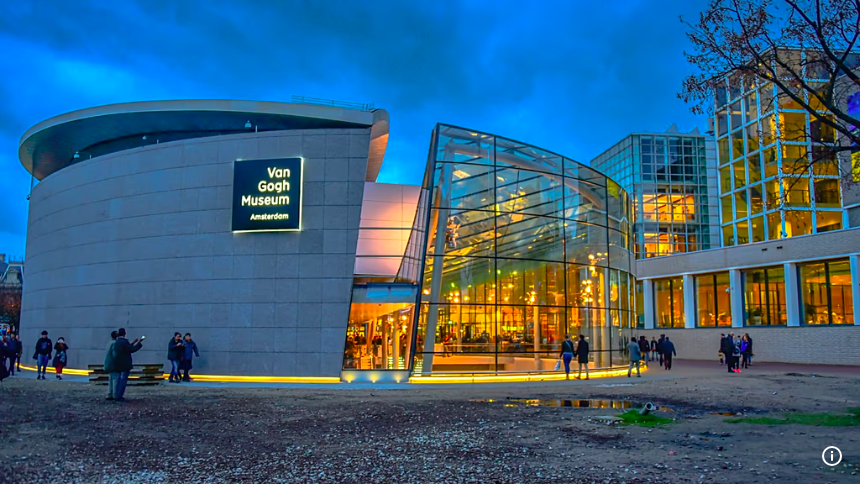
Van Gogh Museum Warns of Closure Unless Dutch State Meets €2.5m Funding Shortfall
Amsterdam’s Van Gogh Museum, a cornerstone of the Netherlands’ cultural life and one of the most visited art museums in the world, has issued an urgent plea to the Dutch government: provide an additional €2.5 million in annual support, or risk the closure of the museum itself.
The warning has sent shockwaves through the international art world, with experts stressing that the stakes are nothing less than the safety of priceless artworks, the comfort of millions of visitors, and the fulfilment of a decades-old contractual promise by the state.
Register for Tekedia Mini-MBA edition 20 (June 8 – Sept 5, 2026).
Register for Tekedia AI in Business Masterclass.
Join Tekedia Capital Syndicate and co-invest in great global startups.
Register for Tekedia AI Lab.
A Landmark at Risk
Since its opening in 1973, the Van Gogh Museum has been the custodian of the largest collection of Vincent van Gogh’s works anywhere in the world. From Sunflowers to The Bedroom, it preserves paintings, drawings, and letters that chart the life and genius of one of history’s most beloved artists.
The museum’s director, Emilie Gordenker, made clear that without fresh funding, its future is under immediate threat. “If this situation persists, it will be dangerous for the art and dangerous for our visitors,” she told The New York Times. “This is the last thing we want – but if it comes to that, we would have to close the building.”

The Roots of the Obligation
The financial dispute is not merely a matter of budget allocation. It has deep roots in a legal and historical arrangement dating back more than 60 years.
After Van Gogh’s death, much of his work remained in the family. In 1962, Vincent Willem van Gogh—known in historical records as “the Engineer” and the artist’s nephew—donated the collection to a foundation, but only on the condition that the Dutch state create and maintain a museum to house it permanently.

That promise was fulfilled with the inauguration of the Van Gogh Museum in 1973, and for half a century the arrangement seemed secure. The museum became one of the country’s crown jewels, welcoming nearly 57 million visitors over the decades and serving as a vital cultural and economic driver for Amsterdam.
But today, with visitor numbers still strong—around 1.8 million in 2024, making it Amsterdam’s second-most visited museum after the Rijksmuseum—the institution finds itself struggling to fund necessary renovations.
Why the Shortfall Matters
The funding gap arises from the museum’s ambitious “Masterplan 2028,” a €104 million programme of renovations and sustainability upgrades. These include replacing outdated ventilation and climate-control systems essential for preserving sensitive 19th-century canvases, upgrading safety and accessibility measures, and complying with new environmental and public building standards.
While the museum can draw from its reserves and absorb some financial strain by managing temporary closures, it insists that the shortfall—currently €2.5 million per year—is unsustainable. According to management, what is needed is a guaranteed annual state contribution of €11 million, not the €8.5 million currently provided.
The Vincent van Gogh Foundation, the legal owner of the collection, has backed the museum’s demand. In a statement, it reminded the government that under the 1962 contract, the state has a clear obligation to ensure the proper housing and care of the works.
Cultural Impact Beyond the Netherlands
The potential closure of the Van Gogh Museum would not just impact Dutch citizens. The museum is a global cultural hub, drawing tourists, scholars, and art lovers from every continent. Its exhibitions often travel abroad, such as the recent collaboration with Amsterdam’s Stedelijk Museum, Where Have All the Flowers Gone?, which paired Van Gogh’s art with Anselm Kiefer’s monumental works and later toured to London’s Royal Academy.
These international partnerships highlight the museum’s importance as an ambassador of Dutch culture and creativity. A disruption to its operations could have consequences far beyond Amsterdam, affecting cultural exchange and international art programming.
The Debate Over State Support
At the heart of the issue lies a broader question about the role of government in funding cultural institutions. Critics may argue that museums should find ways to generate more private income, while supporters insist that state obligations are not optional when it comes to safeguarding national treasures.
The Van Gogh Museum itself is not a failing institution—it remains one of the most successful cultural enterprises in Europe, both in terms of visitor numbers and international reach. But as Emilie Gordenker and the foundation have stressed, ticket revenue and sponsorship cannot cover the enormous costs of maintaining a museum of its scale, particularly when it comes to technical infrastructure and sustainability.
This raises a pressing question for the Dutch government: will it uphold its historical commitment to protecting the legacy of Vincent van Gogh, or risk losing one of its most treasured institutions to budgetary shortfalls?
What’s Next?
The warning comes at a pivotal moment. The museum is pressing the Ministry of Culture for a firm commitment, and negotiations are ongoing. But time is not on their side—the Masterplan requires work to begin soon, particularly on systems that are already nearing the end of their functional life.
If the funding gap remains unresolved, the museum may be forced into temporary closure, cutting off access to millions of visitors and endangering the very artworks it was created to protect.
looking forward
Looking ahead, all eyes will be on the Dutch government’s response in the coming months. If the requested support is granted, “Masterplan 2028” could transform the Van Gogh Museum into a safer, more sustainable and more accessible space for future generations.
For visitors, this would mean not only continued access to Van Gogh’s masterpieces but also an enriched experience in a modernised museum setting. For the Netherlands, it would signal a firm commitment to safeguarding its cultural treasures.
Ultimately, the hope is that this moment of financial strain will become a turning point — ensuring that the Van Gogh Museum remains a vibrant, enduring beacon of art and history well into the future.
final thoughts
The warning from the Van Gogh Museum is more than a budgetary dispute — it is a reminder of how fragile even the most celebrated cultural institutions can be when long-term obligations are not met. At stake is not just a building in Amsterdam, but the preservation of a global treasure that continues to inspire millions.
If the Dutch government steps up to bridge the funding gap, it will not only secure the safety of Van Gogh’s masterpieces but also reaffirm its commitment to cultural heritage as a public good. If it does not, the world risks losing access to one of its greatest artistic legacies.
In the end, the Van Gogh Museum’s plea is a call to action: too recognise that art and history are not luxuries, but responsibilities that require sustained care and investment.
Conclusion
The plight of the Van Gogh Museum illustrates the delicate balance between cultural preservation, financial sustainability, and government responsibility. At stake is not only the legacy of one of the world’s most iconic artists, but also the credibility of the Dutch state’s long-standing commitment to maintain and share that legacy with the world.
The story of Vincent van Gogh is one of perseverance, creativity, and ultimately, recognition long after his lifetime. The fate of the museum dedicated to him now depends on whether the Dutch government will recognise the urgency of its duty—before it’s too late.
Meta Description:
Amsterdam’s Van Gogh Museum faces potential closure unless the Dutch government provides €2.5m in additional annual funding. The shortfall threatens essential upgrades, visitor safety, and the future of Van Gogh’s world-famous collection.
Share this:
- Click to share on Facebook (Opens in new window) Facebook
- Click to share on X (Opens in new window) X
- Click to share on WhatsApp (Opens in new window) WhatsApp
- Click to share on LinkedIn (Opens in new window) LinkedIn
- Click to email a link to a friend (Opens in new window) Email
- Click to print (Opens in new window) Print