

U.S. regulators have intensified their legal challenge against Uber, accusing the ride-hailing and delivery giant of deceptive billing and cancellation practices tied to its Uber One subscription service, in a case that deepens scrutiny of how large tech platforms monetize recurring payments.
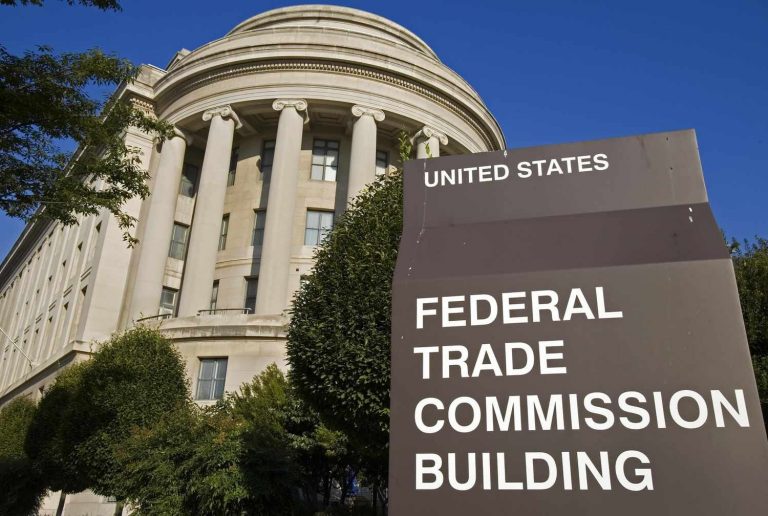
The Federal Trade Commission (FTC) said on Monday that it, alongside attorneys general from 21 states and the District of Columbia, has filed an amended complaint against Uber in the U.S. District Court for the Northern District of California. The revised filing expands on allegations first brought in April, claiming Uber charged consumers for subscriptions without their consent, failed to deliver promised benefits, and erected significant hurdles for users trying to cancel.
News of the expanded lawsuit weighed on investor sentiment, with Uber shares falling more than 3% following the announcement.
Register for Tekedia Mini-MBA edition 20 (June 8 – Sept 5, 2026).
Register for Tekedia AI in Business Masterclass.
Join Tekedia Capital Syndicate and co-invest in great global startups.
Register for Tekedia AI Lab.
At the center of the case is Uber One, the company’s paid monthly or annual subscription offering. Uber markets the service as providing $0 delivery fees on eligible orders and up to $25 in monthly savings across its ride-hailing and food delivery platforms. Regulators, however, said many consumers reported being charged delivery fees despite the promise of free delivery and failing to receive the advertised savings.
The amended complaint alleges that Uber enrolled some users in Uber One without their knowledge, including customers who signed up for free trials. According to the filing, some users were charged automatically before their trial periods expired, a practice the FTC says violates the Restore Online Shoppers’ Confidence Act as well as a range of state consumer protection laws.
The lawsuit also takes aim at Uber’s cancellation process, describing it as intentionally burdensome. Regulators allege that users attempting to cancel their subscriptions were forced to navigate as many as 23 screens and complete up to 32 separate actions before successfully exiting the service. Such friction, the FTC argues, discouraged cancellations and kept consumers paying for subscriptions they no longer wanted.

Uber has strongly disputed the allegations. In an emailed statement, the company said it does not sign up or charge consumers without their consent and rejected the characterization of its cancellation process. Uber said the majority of cancellations take 20 seconds or less and can be completed directly in the app at any time. The company acknowledged that prior to December 2024, customers who were within 48 hours of their next billing cycle were required to contact customer support to cancel, adding that this condition was disclosed during the sign-up process.
The expanded lawsuit seeks civil penalties, signaling that regulators are pursuing not just behavioral changes but also financial consequences if the court finds violations. The participation of a broad coalition of states — including California, New York, Texas, and Illinois — underscores the growing bipartisan focus on so-called “dark patterns” in digital subscriptions, where companies are accused of making it easy to sign up but hard to opt out.
The case also places Uber alongside a growing list of major tech and consumer platforms facing enforcement actions over subscription practices. Regulators in the U.S. and Europe have increasingly targeted auto-renewals, free-trial conversions, and complex cancellation flows, arguing they erode consumer trust in the digital economy.

The lawsuit comes at a sensitive moment for Uber, which has been pushing to deepen customer loyalty and recurring revenue through Uber One as competition intensifies in food delivery and ride-hailing. Subscriptions offer a steadier income stream and encourage more frequent use, but the FTC’s action highlights the regulatory risks attached to aggressive growth tactics.
The legal battle is still at an early stage, and Uber is expected to mount a robust defense. But the amended complaint raises the stakes, both financially and reputationally, and adds to the broader pressure on large platforms to simplify subscription terms and put clearer limits on how consumers are billed and retained.