

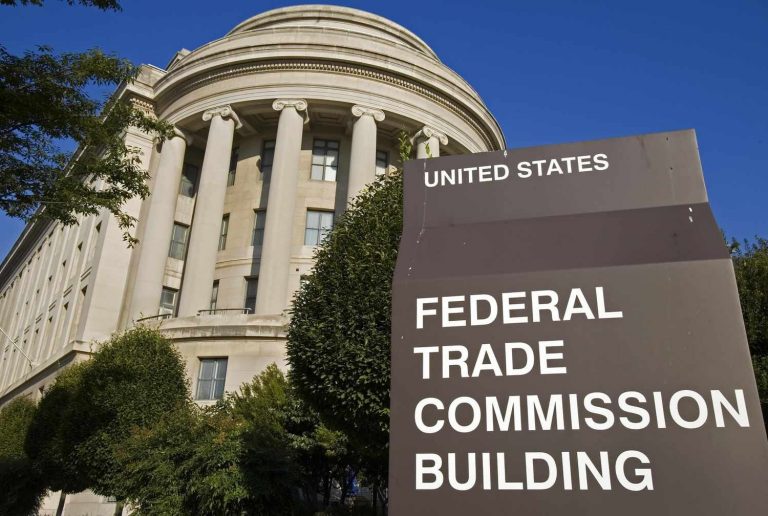
The U.S. Federal Trade Commission (FTC) has filed a sweeping lawsuit against Ticketmaster and its parent company, Live Nation Entertainment, accusing them of engaging in “illegal” resale practices that inflate prices and harm both fans and artists.
The case, filed Thursday in federal court in California and joined by seven states including Florida, Illinois, and Virginia, claims Ticketmaster has “tacitly worked” with scalpers, allowing them to unlawfully buy tickets in bulk and resell them at inflated prices.
“[Ticketmaster and Live Nation’s] illegal conduct frustrates artists’ desire to maintain affordable ticket prices that fit the needs of ordinary American families, costing ordinary fans millions of dollars every year,” the FTC said in its filing.
Register for Tekedia Mini-MBA edition 20 (June 8 – Sept 5, 2026).
Register for Tekedia AI in Business Masterclass.
Join Tekedia Capital Syndicate and co-invest in great global startups.
Register for Tekedia AI Lab.
The FTC alleged that Ticketmaster has adopted a “bait and switch” approach to pricing, advertising one price before raising the total with hidden fees. Regulators further accuse the company of deliberately allowing brokers to exceed ticket limits, feeding a secondary resale market where Ticketmaster collects multiple layers of fees.
The agency said Ticketmaster is “triple dipping” by charging fees from brokers in the primary market, those same brokers in the secondary market, and again from consumers on that secondary market. Between 2019 and 2024, Ticketmaster allegedly made $3.7 billion in resold tickets alone.
“American live entertainment is the best in the world and should be accessible to all of us,” FTC Chairman Andrew Ferguson said. “It should not cost an arm and a leg to take the family to a baseball game or attend your favorite musician’s show.”

Ticketmaster controls roughly 80% of ticketing for major U.S. concert venues, according to regulators. Consumers spent more than $82 billion on tickets through Ticketmaster between 2019 and 2024, underscoring the company’s vast reach. Shares of Live Nation fell about 2% on Thursday after the lawsuit was announced.
Ticketmaster also faces global scrutiny. In the U.K., regulators are investigating its use of “dynamic pricing” during Oasis reunion concerts — a system that adjusts prices in real time, often sending costs soaring.
In the U.S., the Justice Department last year sued to break up Live Nation and Ticketmaster over alleged antitrust violations, a case that grew out of the 2022 Taylor Swift Eras Tour ticketing debacle that sparked congressional hearings.

What Comes Next?
The FTC’s lawsuit sets up several potential possibilities for the future of Ticketmaster, Live Nation, and the broader live events industry.
If regulators prevail: The most dramatic outcome would be a forced breakup of Live Nation and Ticketmaster, echoing the government’s earlier antitrust cases against AT&T in the 1980s or Microsoft in the late 1990s. Such a split could open the door to new ticketing competitors, weaken Ticketmaster’s control of 80% of the U.S. concert venue market, and potentially push prices lower.
Analysts say this possibility would be a seismic shift for the $82 billion U.S. ticketing industry, though it could take years of litigation to play out.
If Ticketmaster survives intact: Another outcome is that the company fights the lawsuit successfully, paying fines or accepting limited reforms without breaking up. This would mirror its past ability to weather controversies, such as the fallout from the Taylor Swift fiasco. In this case, critics warn fans may see little change, with practices like hidden fees and dynamic pricing continuing to dominate.
A third possibility is regulatory compromise, where Ticketmaster could be forced to introduce stricter controls on brokers, improve fee transparency, or limit dynamic pricing models. While less disruptive than a breakup, such reforms could still reshape the economics of live entertainment.
However, the FTC case underscores growing global skepticism about how much power Ticketmaster and Live Nation wield in the concert business. The lawsuit represents the most serious challenge yet to a system viewed as rigged by fans long frustrated by high fees and botched sales. It also raises the prospect of reclaiming greater control over how tickets are priced and sold for artists.