

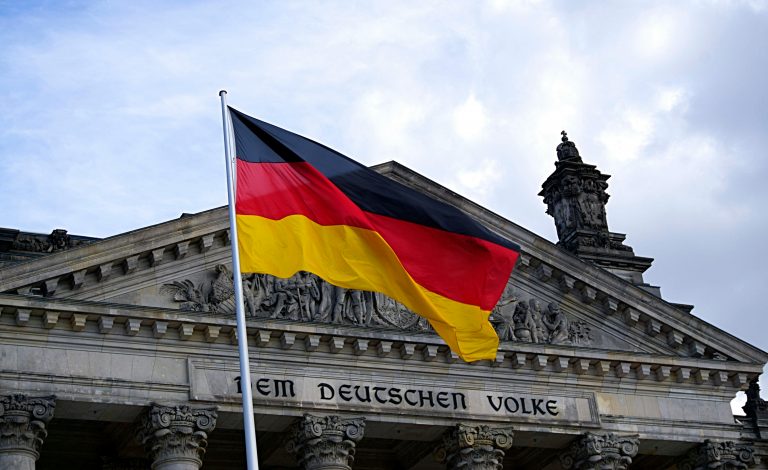
German President Frank-Walter Steinmeier, during a three-day visit to Tokyo in June 2025, called for stronger ties with Japan to address shared geopolitical challenges. Meeting with Prime Minister Shigeru Ishiba, Steinmeier highlighted concerns like Russia’s war in Ukraine and North Korea’s nuclear ambitions, emphasizing that security and prosperity in Europe and East Asia are interconnected. He noted ongoing progress, including the first German-Japanese government consultations in 2023 and a defense agreement for mutual logistical support. Ishiba echoed the sentiment, stating bilateral relations have grown stronger since Steinmeier’s 2017 appointment.
Steinmeier’s push for stronger Germany-Japan ties signals a strategic alignment to counter shared threats, notably Russia’s aggression in Ukraine and North Korea’s nuclear provocations. This reflects a broader trend of democracies coalescing to address authoritarian challenges, potentially strengthening multilateral frameworks like the G7, where both nations are active. The 2023 government consultations and defense agreement for mutual logistical support indicate deepening military and security collaboration. This could lead to joint exercises, intelligence sharing, or coordinated responses to regional crises, enhancing deterrence in both Europe and East Asia.
Closer ties could boost trade, investment, and innovation, especially in areas like green energy, AI, and critical supply chains (e.g., semiconductors). Japan’s technological prowess and Germany’s industrial base are complementary, potentially reducing reliance on adversarial economies like China. A fortified Germany-Japan partnership could amplify their collective voice in global governance, advocating for rules-based order, human rights, and climate action. This may also encourage other middle powers to align with democratic coalitions.
Register for Tekedia Mini-MBA edition 20 (June 8 – Sept 5, 2026).
Register for Tekedia AI in Business Masterclass.
Join Tekedia Capital Syndicate and co-invest in great global startups.
Register for Tekedia AI Lab.
The call for unity underscores a growing divide between democratic nations and authoritarian regimes (e.g., Russia, China, North Korea). Germany and Japan’s alignment may provoke countermeasures, such as economic coercion or military posturing, particularly from China in the Indo-Pacific or Russia in Europe.
The Bavarian Alps experienced an unusually dry winter in 2024-2025, with record-low snowfall in several areas, according to meteorologists. At Zugspitze, Germany’s highest ski area, snowfall was below the previous record low from 1971-1972. The region saw only 470 liters of precipitation per square meter, close to the 1933-1934 record of 400 liters, marking the driest winter in over 90 years.
High-pressure systems led to increased sunshine hours and temperatures about 2°C warmer than the long-term average at summit locations. This aligns with broader trends of declining snowfall in the Alps, with a 34% decrease from 1920 to 2020, particularly pronounced below 2,000 meters. The climate crisis has warmed the Alpine region significantly, exacerbating snow loss and impacting water reserves and winter tourism.

In East Asia, Japan’s historical legacy (e.g., wartime aggression) could complicate regional acceptance of its enhanced global role, despite Germany’s support. South Korea and China may view Japan’s military cooperation with skepticism, potentially straining regional dynamics. Both nations face internal divides that could hinder bold cooperation. Germany grapples with economic pressures and political polarization, while Japan navigates a sluggish economy and an aging population. Public support for prioritizing international partnerships over domestic issues may waver.
Germany’s focus on Japan could create tensions with its EU and NATO allies, who prioritize countering Russia in Europe. Balancing commitments across two theaters may strain resources and highlight strategic divides within the West. While closer Germany-Japan ties promise strategic and economic benefits, they also deepen global democratic-authoritarian divides and risk regional and domestic friction. The partnership’s success hinges on navigating these fault lines while sustaining momentum in cooperation.