

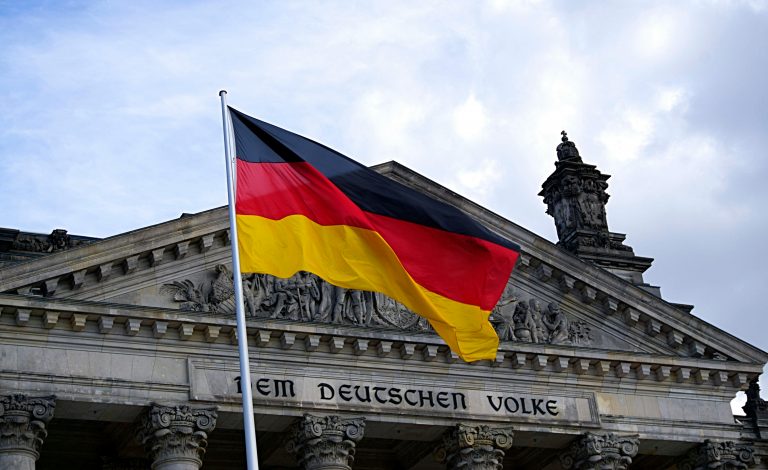
Germany’s chronic housing shortage has escalated into a full-blown crisis, with recent reports estimating a deficit exceeding 1.2 million units in the western regions alone.
This shortfall is not only pricing out families and young professionals but also stifling broader economic momentum at a time when the country is grappling with stagnation and recession risks.
As of October 2025, the issue dominates headlines, with experts warning of a “domino effect” on growth, labor mobility, and social stability.
Register for Tekedia Mini-MBA edition 20 (June 8 – Sept 5, 2026).
Register for Tekedia AI in Business Masterclass.
Join Tekedia Capital Syndicate and co-invest in great global startups.
Register for Tekedia AI Lab.
The Scale of the Shortage
Germany needs to build approximately 320,000 new apartments annually through 2030 to catch up with demand, driven by population growth, urbanization, and an influx of skilled workers.
However, completions are projected to hover around just 225,000–230,000 units in 2025, a decline from 245,000 in 2023 and a sharp drop from the government’s unfulfilled target of 400,000 per year.

Building permits tell an even grimmer story: approvals for multi-family homes fell nearly 20% in the first half of 2024, while single-family permits plunged 26.6%, signaling a pipeline that’s drying up fast.
Urban centers like Berlin, Munich, and Hamburg are hit hardest, where queues of hundreds form for single viewings, and rents have surged—up 27% for relets since 2013 in some areas.
A growing number of households over 40% in major cities now spend more than 40% of income on housing, crossing the OECD’s “overburdened” threshold. This affects not just low-income groups but the middle class.

The housing crunch is a direct drag on Germany’s already faltering economy, which contracted in 2023 and is forecasted to shrink another 0.2% in 2025—marking three straight years of recession, the longest since the 1940s.
With 28% of companies reporting skill gaps amid an aging population, Germany desperately needs foreign talent. Yet, unaffordable housing deters immigrants and even domestic workers from relocating to high-demand areas like manufacturing hubs.
Economists estimate this mismatch could shave 0.5–1% off annual GDP growth, as untapped productivity goes unrealized. The sector, which employs over 2.5 million people, is in freefall due to high interest rates though easing, bureaucratic red tape, and insolvencies.
Depleted order books and financing woes mean residential activity won’t rebound significantly until 2026 at earliest, per ING analysts. This cascades into related industries like materials and logistics, amplifying the downturn.
Skyrocketing rents erode disposable income, curbing spending on everything from cars to vacations—key drivers of Germany’s export-led economy. Combined with stagnant wages and 8–10% unemployment in some sectors, it’s fueling inequality and pushing voters toward political extremes, as seen in the February 2025 snap elections.
Despite modest house price gains projected at 3.5% for 2025 up from 3% prior forecasts, downside risks from trade tensions and economic weakness loom large. Investors eye residential rentals as a “defensive” play amid the shortage, but overall real estate transaction volumes have halved since 2023.
Broader headwinds—like energy costs from the Ukraine fallout, a manufacturing PMI stuck below 50 for 26 months, and a €123 billion annual pension funding gap—compound the pain.
Bond yields are climbing 10-year real yields at 0.93%, signaling investor jitters over debt. Strict building codes, lengthy approvals often years and noise/heating mandates make projects “practically impossible,” per construction CEOs.
The BauGB reform aims to ease this, but progress is slow. Inflows of refugees and workers add demand without matching supply, sparking debates about prioritization like new asylum complexes in Berlin amid local shortages.
The rent cap Mietpreisbremse expires end-2025 without extension likely, and subsidies remain limited despite calls for more. Political gridlock post-coalition collapse hasn’t helped.
Low homeownership under 50% and urban migration exacerbate urban-rural divides. Optimists point to ECB rate cuts trickling into mortgages outstanding loans hit €1.61 trillion by March 2025 and investor interest in “distressed assets” as sparks for recovery.
The residential sector could see 3–4% price/rent growth in 2025, creating opportunities for yields. But without bold moves—like slashing red tape or €60 billion in targeted subsidies—the crisis risks entrenching recession.
As Ifo Institute forecast warns: “Nothing will happen in 2025; investments will shrink further.” This isn’t just a housing story—it’s a litmus test for Germany’s economic resilience. With elections fresh in memory and global uncertainties mounting, addressing it could be the key to unlocking growth.
Russia Firmly Rejects Alleged Drones Sighted on Key German Sites Attributed to Kremlin
In early October 2025, unidentified drones were sighted over key German sites, including Munich International Airport, Frankfurt Airport, an ammunition depot, and military bases in states like Schleswig-Holstein and Thuringia.
These incursions led to temporary airport closures on October 2 and 3, disrupting thousands of flights and stranding passengers during the busy Oktoberfest period.
German authorities described the drones as “military-grade reconnaissance” models, unarmed but capable of espionage, with some reports suggesting they originated from ships in the Baltic Sea or were Iranian-manufactured.
This fits into a broader wave of drone activity across Europe, affecting NATO allies like Poland, Denmark, Norway, Estonia, and Romania since late August.
Russia’s Rejection of Allegations
On October 6, 2025, the Kremlin firmly rejected claims of Russian involvement, calling them “baseless” and lacking evidence. Kremlin spokesperson Dmitry Peskov stated that “the whole story about these drones is strange, to say the least, but Russia should not be blamed without evidence,” and emphasized that Moscow “does not launch drones over Europe.”
He referenced the arrest of a German “aviation enthusiast” as a possible alternative explanation and mocked the situation, suggesting German investigations might take “the next century.”
Earlier, on October 3 at the Valdai Discussion Club, President Vladimir Putin dismissed the accusations with sarcasm, joking, “I won’t do it again—not to France, not to Denmark, not to Copenhagen,” while accusing European leaders of “whipping up hysteria” to justify military spending increases.
Russia has consistently denied similar claims, including a September incursion over Poland which it attributed to “drift” from Ukraine operations and August surveillance flights over U.S. weapons routes in eastern Germany.
German Chancellor Friedrich Merz directly implicated Russia on October 6, stating, “We assume that Russia is behind most of these drone flights,” and warned that violations are occurring “more frequently than during the Cold War.”
He described the drones as tools for “espionage attempts and efforts to cause public anxiety,” with no armed threats yet detected. Interior Minister Alexander Dobrindt called the Munich closures a “wake-up call” on drone vulnerabilities, urging more funding for detection and interception tech.
Defense Minister Boris Pistorius echoed this, noting the flights target ports and rail hubs used for Ukraine aid.This escalation has prompted EU-wide measures. European defense ministers agreed to a “drone wall” along eastern borders for better detection and jamming.
Germany plans to amend laws allowing the military to shoot down drones. Jets were scrambled in Poland to down Russian drones in September—the first such NATO-Russia aerial engagement. Secretary General Mark Rutte condemned the “reckless behavior.”
Experts view these as “hybrid warfare” tactics—blending espionage, sabotage risks, and psychological pressure—amid Russia’s war in Ukraine. Ukrainian President Volodymyr Zelenskyy warned of escalation, suggesting Russia uses “shadow fleet” tankers for launches.
While no attacks have materialized, the incidents have heightened transatlantic tensions, with U.S. President Donald Trump questioning Russia’s actions on Truth Social.
European leaders like Denmark’s Mette Frederiksen stress Russia as the primary threat, pushing for unified defenses. Investigations continue, but the pattern underscores vulnerabilities in NATO airspace as the Ukraine conflict enters its fourth year.