

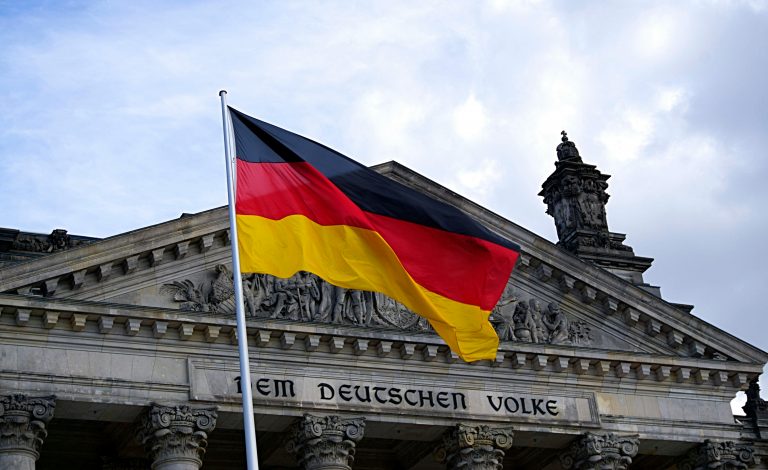
Germany’s housing market is facing renewed pressure as mortgage rates climb to their highest level since 2009, creating additional challenges for prospective homebuyers, property developers and the wider construction industry.
Rising inflation and interest rate increases triggered by the Iran war have contributed to the deterioration in borrowing conditions, threatening to weaken housing demand and delay the recovery of one of Europe’s largest property markets.
The increase in mortgage costs comes at a difficult time for Germany’s economy, which has already experienced sluggish growth, elevated construction expenses and persistent uncertainty surrounding investment.
Register for the next Tekedia Mini-MBA.
Register for Tekedia AI in Business Masterclass.
Join Tekedia Capital Syndicate and co-invest in great global startups.
For households hoping to purchase homes, higher borrowing costs mean larger monthly repayments and stricter affordability requirements. Many potential buyers may be forced to postpone purchases, consider smaller properties or continue renting for longer than anticipated.
The Iran war has intensified inflationary pressures by disrupting energy markets and increasing concerns about the cost of oil, gas and transportation. Higher energy prices can spread throughout the economy, raising production costs for businesses and increasing household expenses.
When inflation becomes more persistent, central banks may maintain restrictive monetary policies or increase interest rates to prevent prices from rising uncontrollably. These developments can influence mortgage pricing, particularly when financial markets anticipate higher borrowing costs.

Germany’s mortgage market is particularly sensitive to changes in bond yields and funding costs because many homebuyers rely on fixed-rate loans.
Although the European Central Bank does not directly determine mortgage rates offered by commercial lenders, its monetary policy influences broader financing conditions.
Government bond yields, bank funding expenses and expectations about future inflation also play important roles in determining the interest rates available to borrowers.

For prospective homeowners, the consequences are immediate. A higher mortgage rate increases the total cost of purchasing property over the life of a loan. Buyers who qualified for financing under earlier conditions may discover that their incomes no longer support the same property prices.
Others may need larger deposits to secure affordable financing. This combination of expensive credit and high living costs could reduce demand, especially among younger households and first-time buyers.
The construction industry faces equally serious challenges. Developers depend heavily on financing to acquire land, purchase materials and complete residential projects. When borrowing becomes more expensive, fewer developments remain financially viable.
Higher energy and material costs can reduce profit margins, forcing companies to reconsider projects or delay construction. A sustained slowdown could weaken employment across construction, architecture, engineering and related industries.
Reduced construction activities threat worsen Germany’s housing shortage. If developers postpone new projects while population centres continue attracting workers and families, the supply of available homes may struggle to meet demand.
Although weaker purchasing power could moderate property prices in some locations, cheaper homes would not necessarily solve the affordability problem if mortgage financing remains expensive.
Policymakers therefore face a difficult balancing act. Controlling inflation is essential for economic stability, but restrictive financial conditions can undermine investment and household consumption.
Measures that encourage residential construction, streamline planning approvals and support affordable housing could help ease structural pressures without relying exclusively on cheaper credit.
Germany’s rising mortgage rates illustrate how geopolitical conflicts can affect everyday economic decisions far beyond the battlefield. If inflation remains elevated and borrowing costs continue increasing, the country’s housing recovery could face further delays.
Restoring confidence will require greater price stability, sustainable financing conditions and renewed investment in residential construction. The challenge is no longer simply finding a suitable home, but securing one at a cost their finances can realistically sustain.
Volkswagen Recalls Nearly 72,700 Electric Vehicles Over Faulty Batteries
Volkswagen has issued a recall affecting nearly 72,700 electric vehicles because of faulty batteries, according to data published on Tuesday by Germany’s Federal Motor Transport Authority (KBA).
The development highlights the safety challenges facing the automotive industry as manufacturers accelerate the transition from traditional combustion engines to electric mobility. It raises questions about battery reliability, quality control and consumer confidence in one of Europe’s most important industrial sectors.
The recall comes at a time when Volkswagen is navigating significant pressure to strengthen its electric vehicle business, compete with international rivals and meet increasingly demanding environmental targets.
Although electric vehicles are central to the company’s long-term strategy, battery-related defects can create considerable financial, operational and reputational risks for manufacturers seeking to persuade more motorists to abandon petrol and diesel cars.
Electric vehicle batteries are among the most expensive and technologically complex components in modern automobiles. Their performance determines driving range, charging efficiency and long-term operating costs.
More importantly, defects can potentially compromise vehicle safety, depending on the nature and severity of the problem. Certain battery failures may increase the risk of overheating, reduced performance or, in serious circumstances, fire.
The precise nature of the reported Volkswagen battery defects, the affected models and the remedies required should be established through official recall notices. Without those details, it would be premature to conclude that every affected vehicle presents the same level of danger or requires an identical repair.
The KBA plays an important role in monitoring vehicle safety in Germany, Europe’s largest automotive market. Its published information provides motorists and manufacturers with an official mechanism for identifying potential defects and addressing risks before they lead to more serious consequences.
Recalls are therefore an important part of automotive safety regulation, even when they generate negative headlines for the companies involved. Recalling nearly 72,700 electric vehicles could involve substantial inspection, repair and administrative costs.
The final financial impact will depend on the number of vehicles requiring intervention, the complexity of the necessary repairs and the extent to which battery components must be replaced. The company may face additional expenses associated with customer communications, dealership support and warranty obligations.
The incident could affect consumer perceptions of Volkswagen’s electric vehicle lineup. Buyers increasingly evaluate electric cars according to price, driving range, charging infrastructure, reliability and resale value.
Reports of battery problems may encourage prospective customers to scrutinise manufacturer safety records more closely, particularly in a market where established automakers are competing against rapidly expanding Chinese electric vehicle brands.
A recall does not automatically indicate that an entire electric vehicle platform is fundamentally unsafe. Prompt identification and correction of technical problems can demonstrate that manufacturers and regulators are taking their responsibilities seriously.
The effectiveness of Volkswagen’s response will depend on transparent communication, timely repairs and clear guidance for affected owners. The broader implications extend beyond Volkswagen.
As electric vehicle adoption expands, automakers must maintain rigorous testing standards across battery production, software integration and vehicle assembly. Supply-chain oversight is equally important because battery cells and related components may involve multiple suppliers operating across different countries.
The recall underscores the importance of balancing rapid technological development with uncompromising safety standards. Volkswagen’s ability to resolve the reported defects efficiently will be essential to protecting customers and limiting reputational damage.
For the wider automotive industry, the episode serves as a reminder that the success of electric mobility depends not only on innovation and affordability, but also on dependable engineering, transparent oversight and sustained consumer trust.