

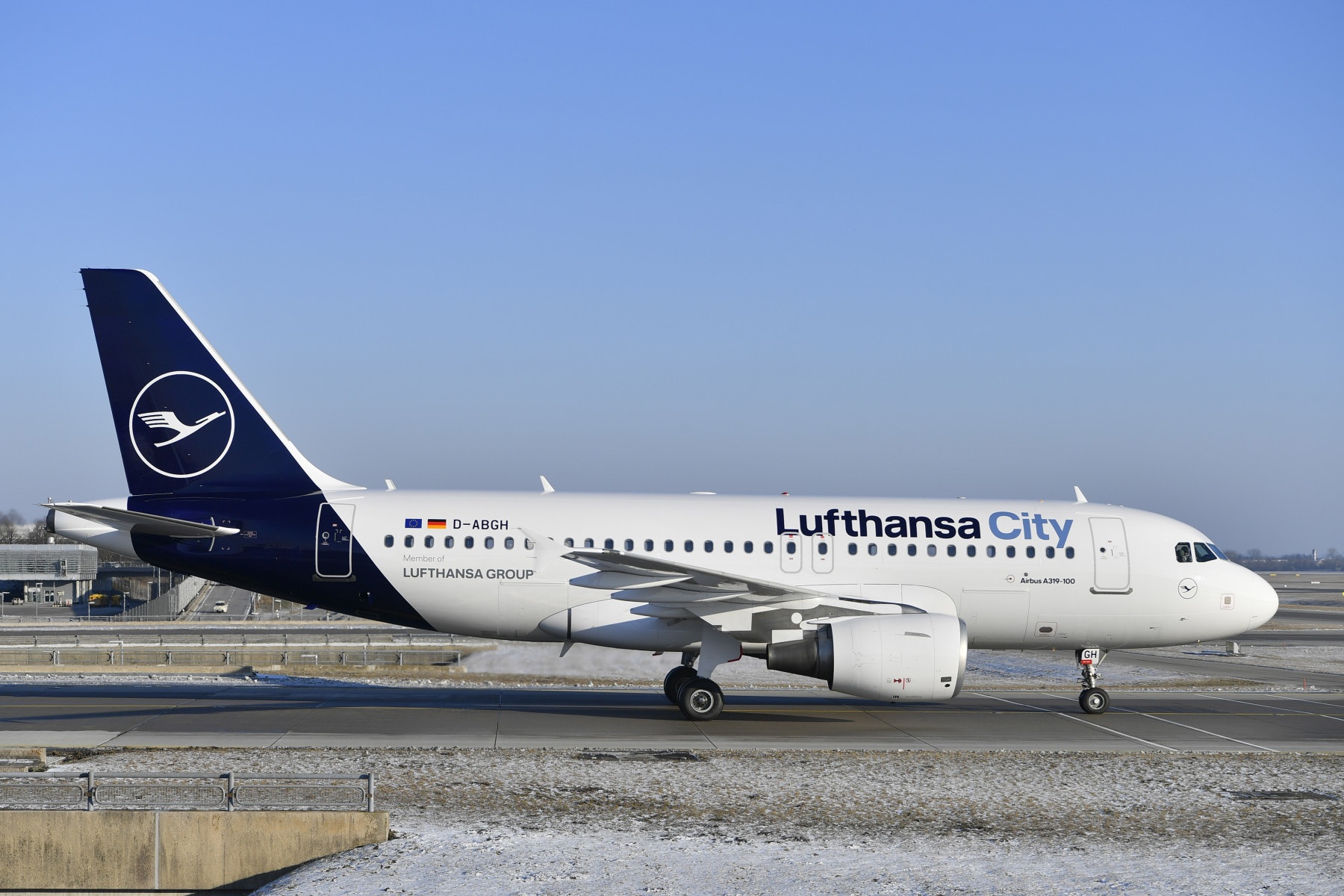
Germany’s Transport Minister Patrick Schnieder (CDU) has cautioned that the planned reduction in Germany’s air travel tax (Luftverkehrssteuer), set to take effect on July 1, 2026, will not automatically lead to cheaper flight tickets.
The primary goal of the tax cut is to boost the competitiveness of Germany as an aviation hub. German airports are currently handling passenger volumes at only about 90% of pre-pandemic levels, while many other European countries have exceeded those figures around 110%.
Schnieder emphasized that airlines decide their own pricing and routes, and the tax relief is meant to encourage them to maintain or expand operations in Germany rather than shifting flights elsewhere.
Register for Tekedia Mini-MBA edition 20 (June 8 – Sept 5, 2026).
Register for Tekedia AI in Business Masterclass.
Join Tekedia Capital Syndicate and co-invest in great global startups.
Register for Tekedia AI Lab.
He told the Funke Media Group: “There is no automatic mechanism for lower ticket prices.” The head of the German Airport Association (ADV), Ralph Beisel, agreed, stating that the measure aims to strengthen Germany’s position in air travel competition, not directly lower fares.
This tax reduction reverses part of a 2024 increase introduced under the previous government. Earlier reports in 2025 suggested potential cheaper flights due to the cut, but airlines are not obligated to pass on the savings to consumers—they may use it to improve profitability or invest in routes.
This news broke amid ongoing discussions about Germany’s aviation sector lagging behind European peers. Taxation of aviation remains largely a national competence, with significant exemptions at the EU level driven by historical international agreements like the 1944 Chicago Convention and the Energy Taxation Directive (ETD, 2003/96/EC).

No EU-wide tax on kerosene— aviation fuel: Commercial aviation fuel is exempt from excise duties for intra-EU and international flights. This exemption applies across all member states, though domestic flights could theoretically be taxed none are as of late 2025.
No mandatory EU-wide ticket tax: Air passenger duties or “ticket taxes” are implemented nationally by some countries, varying widely in rates and structure. VAT on tickets: International flights are generally VAT-exempt; domestic flights may be subject to national VAT rates in some states.
Other mechanisms: Aviation emissions are addressed through the EU Emissions Trading System (ETS), which covers intra-EU flights and is expanding, rather than direct taxes. Proposals to introduce EU-wide kerosene taxation as part of the “Fit for 55” package (2021) have stalled due to lack of unanimous agreement in the Council.
Negotiations on revising the ETD remain blocked as of December 2025, with discussions around potential delays or exemptions for aviation fuel lasting until 2033–2045 or longer. ETD prohibits taxation except via bilateral agreements, none exist. Criticized as a subsidy worth €13–35 billion annually across the EU.

Ticket Taxes
No EU-wide harmonization; national only. Some calls (e.g., 2019 joint statement by 9 finance ministers) for uniform passenger taxes, but not implemented. VAT on international tickets exempted which aligns with international norms; domestic tickets may incur VAT in ~17 states.
EU ETS for Aviation; Applies to intra-EU flights; expanding to all departing flights. Market-based carbon pricing alternative to fuel taxes.
Several member states levy departure-based passenger taxes often distance-tiered. Rates are approximate and subject to change; Many countries e.g., Spain, Netherlands, Belgium have no or minimal passenger taxes. This patchwork creates competitive distortions, with airlines and hubs in low-tax countries benefiting.
Exemptions are seen as subsidies distorting competition with greener transport. Groups like Transport & Environment estimate a €35–47 billion annual “tax gap” if aviation were taxed like road fuels. Industry opposition: Airlines argue taxes reduce competitiveness, increase ticket prices without guaranteeing emission reductions, and duplicate ETS.
Stalled reforms: The 2021 ETD revision proposed phasing in kerosene taxes (2023–2033) with zero rates for sustainable fuels, but lacks consensus. Recent drafts suggest prolonged exemptions due to limited sustainable aviation fuel availability.
In summary, EU air travel taxation prioritizes exemptions to support connectivity and competitiveness, relying on ETS for emissions control. National variations persist, with no immediate shift toward EU-wide fuel or ticket taxes expected.