

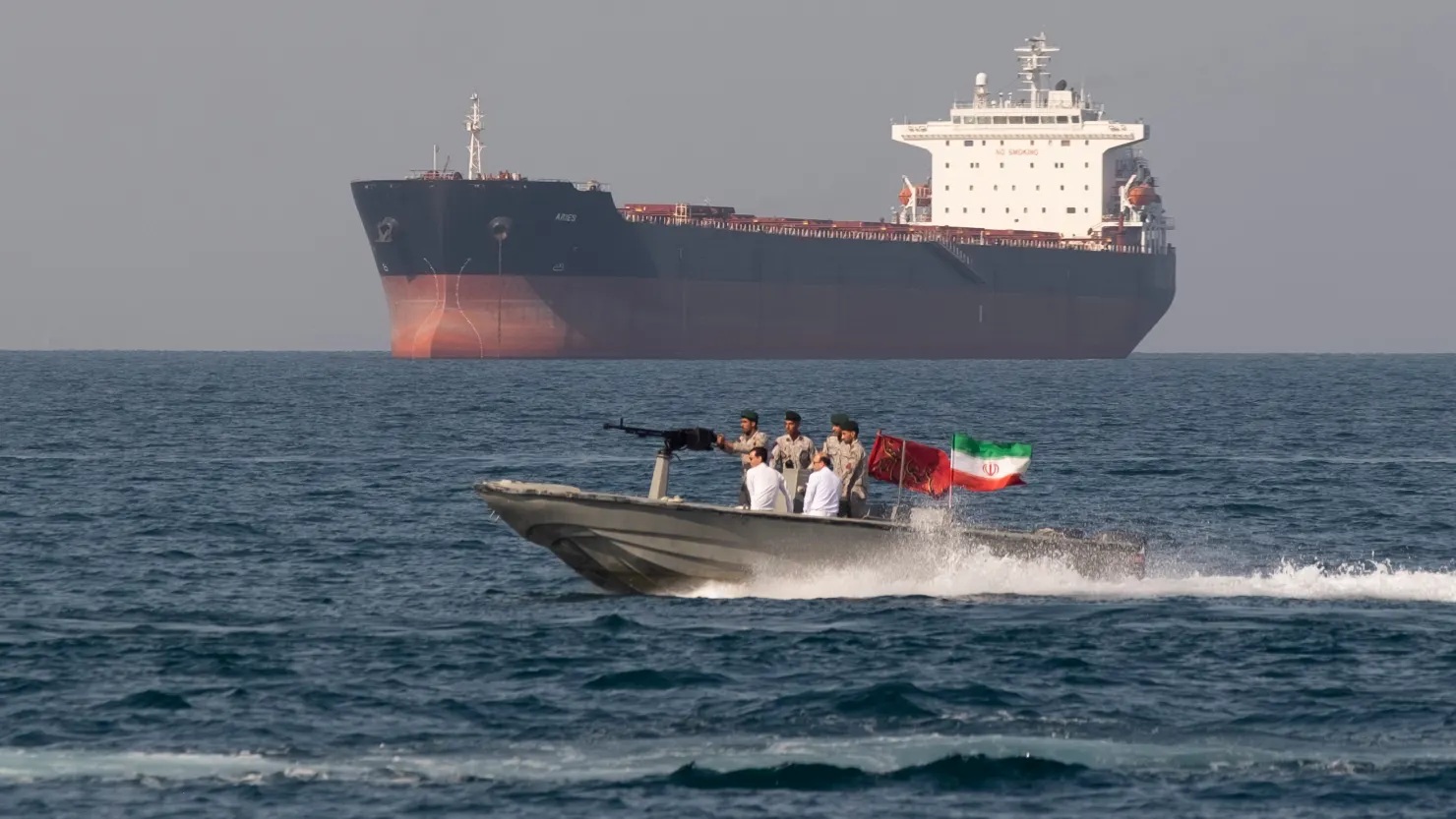
The escalating confrontation between the United States and Iran has entered a dangerous new phase, with President Donald Trump reportedly proposing a 20% cargo fee on all shipments passing through the Strait of Hormuz while simultaneously formally notifying Congress that the United States is at war with Iran.
The move, if fully implemented, could dramatically reshape global trade, energy markets, and geopolitical stability. The Strait of Hormuz is one of the world’s most critical maritime chokepoints. Roughly one-fifth of global oil consumption passes through the narrow waterway, connecting the Persian Gulf to international markets.
Any disruption in this corridor has historically sent shockwaves across global financial markets and triggered sharp increases in energy prices.
Trump’s proposal to impose a cargo fee effectively turns the strategic passage into both a military and economic battleground. Supporters of the administration argue that the cargo fee would help finance the substantial costs associated with protecting maritime routes and sustaining military operations in the region.
Register for the next Tekedia Mini-MBA.
Register for Tekedia AI in Business Masterclass.
Join Tekedia Capital Syndicate and co-invest in great global startups.
They contend that the United States Navy has long borne the burden of ensuring freedom of navigation in the Gulf and that countries benefiting from secure energy supplies should contribute financially. From this perspective, the proposed fee represents a form of burden-sharing rather than an outright trade restriction.
Critics warn that such a policy could significantly increase global shipping costs and fuel inflation worldwide. Energy-importing nations in Europe and Asia, particularly China, India, Japan, and South Korea, could face higher import bills as shipping companies pass the additional costs onto consumers.
Rising transportation expenses would likely translate into higher fuel prices, increased manufacturing costs, and renewed inflationary pressures at a time when many economies are still recovering from previous economic shocks.
Even more consequential is Trump’s formal notification to Congress declaring that the United States is at war with Iran.

Under the War Powers Resolution, presidential notification triggers a legal framework that permits military engagement for a limited period before requiring additional congressional authorization. According to reports, the notification effectively unlocks another sixty days of military operations without immediate congressional approval.
This development significantly raises the stakes of the conflict. Extended military action could involve expanded air strikes, naval deployments, cyber operations, and increased risks of direct confrontation between American and Iranian forces.
It also raises concerns about the potential involvement of regional actors, including Gulf states and allied militias, potentially transforming a bilateral conflict into a broader regional war. Financial markets have already demonstrated sensitivity to developments in the Middle East.

Oil prices tend to react sharply to any threat involving the Strait of Hormuz because even temporary disruptions can tighten global supply. Investors generally move toward safe-haven assets such as gold and government bonds during periods of geopolitical uncertainty.
While equities, particularly in transportation and manufacturing sectors, often face heightened volatility.
The combination of economic measures and military escalation underscores the increasingly interconnected nature of modern geopolitics. Decisions taken in Washington and Tehran can rapidly influence energy prices, inflation expectations, financial markets, and diplomatic relations across the globe.
Trump’s proposed cargo fee and formal war notification represent more than short-term policy measures; they signal a potentially historic turning point in U.S.-Iran relations. Whether these actions lead to deterrence, negotiations, or a prolonged conflict remains uncertain.
What is clear, however, is that the world is closely watching developments in the Strait of Hormuz, recognizing that the consequences of this confrontation extend far beyond the Middle East and could reshape the global economic and security landscape for years to come.