

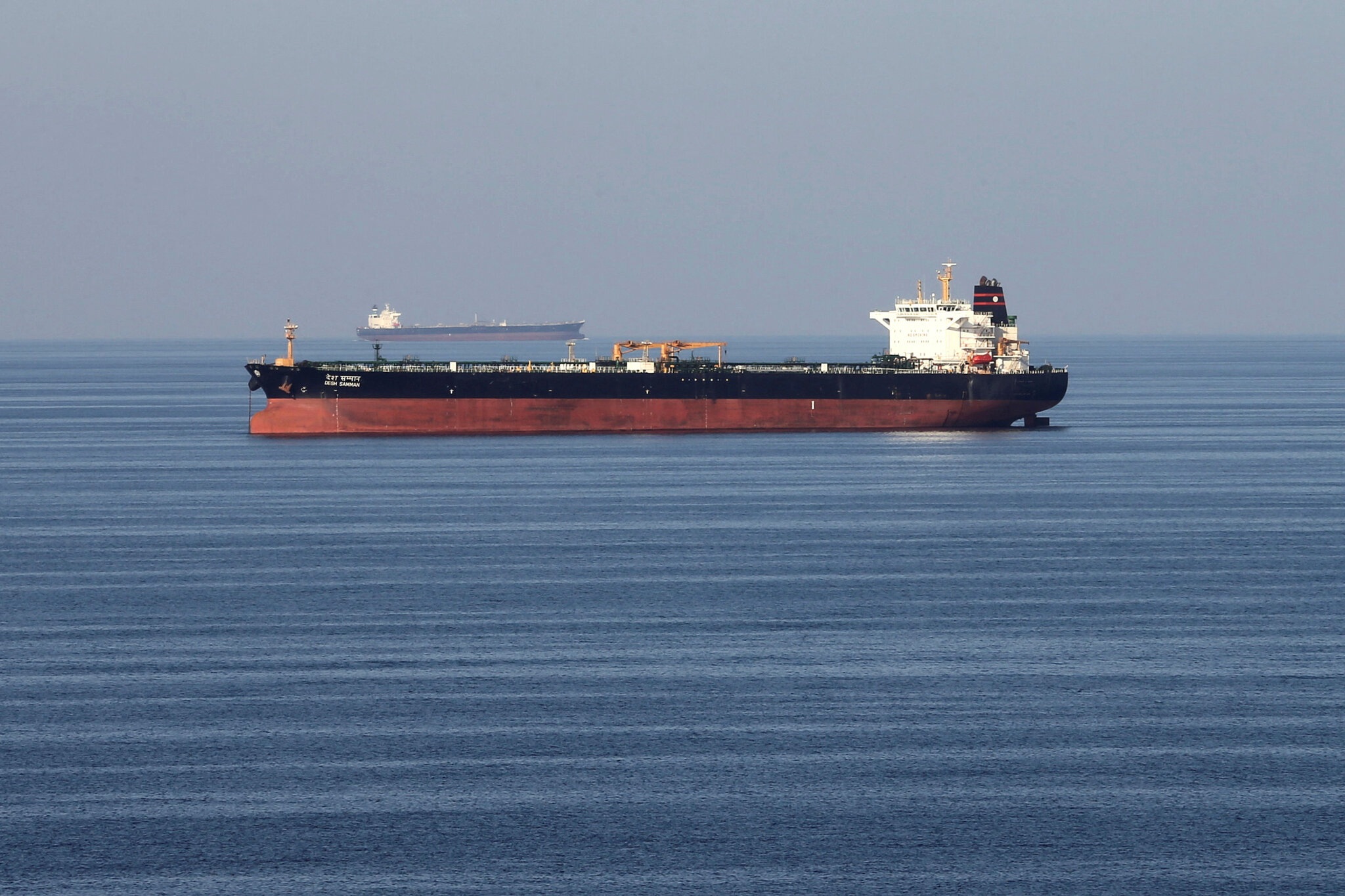
Major container lines, including Maersk, Hapag-Lloyd, and CMA CGM are rerouting vessels around the Cape of Good Hope, abandoning the Suez Canal and the Bab el-Mandeb Strait after U.S. and Israeli strikes on Iran and Tehran’s declaration that navigation through the Strait of Hormuz has been closed.
The diversion marks a renewed shock to global supply chains, just months after some carriers began cautiously returning to the Red Sea corridor following two years of disruption linked to attacks by Yemen’s Houthi movement.
In a statement on Sunday, Maersk said it would pause future Trans-Suez sailings through the Bab el-Mandeb Strait “for the time being” due to the deteriorating security situation. The Danish group had last month announced a gradual resumption of some Suez services, describing it as a key step toward normalizing trade routes.
Register for Tekedia Mini-MBA edition 20 (June 8 – Sept 5, 2026).
Register for Tekedia AI in Business Masterclass.
Join Tekedia Capital Syndicate and co-invest in great global startups.
Register for Tekedia AI Lab.
Maersk said it would continue monitoring developments and would prioritize the Trans-Suez route again once security conditions permit. It added that services in the United Arab Emirates, Oman, and Qatar may also face disruption.
Hapag-Lloyd said it was rerouting its India–Middle East–Mediterranean IMX service around southern Africa and would restore the route once safe passage is possible. The company also announced a war risk surcharge for cargo moving to and from the Upper Gulf, Arabian Gulf, and Persian Gulf, effective March 2.
CMA CGM said it would apply an emergency conflict surcharge on shipments linked to Iraq, Bahrain, Kuwait, Yemen, Qatar, Oman, the UAE, Saudi Arabia, Jordan, Djibouti, Sudan, Eritrea, and Egypt’s Red Sea port of Ain Sokhna. It has suspended Suez Canal transits and redirected sailings around Africa.

Mediterranean Shipping Company said it was suspending all cargo bookings to the Middle East until further notice and instructed vessels in or en route to the Gulf to seek safe shelter.
Hormuz closure jolts energy flows
Iran warned that the Strait of Hormuz—through which roughly one-fifth of global oil consumption transits—has been closed. Even partial or temporary restrictions would have immediate implications for crude exports from Saudi Arabia, the UAE, Kuwait, Iraq, and Qatar.
Shipping data on Sunday showed more than 200 vessels, including oil and liquefied natural gas tankers, had dropped anchor around Hormuz and adjacent waters. Asian refiners, among the largest buyers of Gulf crude, are reviewing stockpiles and contingency supply plans.

At least three tankers were reportedly damaged off the Gulf coast. A projectile struck the Marshall Islands–flagged product tanker MKD VYOM off Oman, killing a crew member, according to its manager, V.Ships Asia. A separate Palau-flagged oil tanker under U.S. sanctions was hit near Oman’s Musandam peninsula, injuring four people, local authorities said.
It remains unclear who launched the projectiles and drones involved in Sunday’s incidents. The spike in maritime risk underscores the vulnerability of commercial shipping to spillover from military confrontation.
The International Maritime Organization urged companies to avoid transiting affected waters until security conditions improve.
The rerouting of container ships around the Cape of Good Hope adds roughly 10 to 14 days to Asia–Europe voyages, increasing fuel consumption, vessel operating costs, and equipment imbalances. During the 2023–2024 Red Sea crisis, similar diversions drove container freight rates sharply higher and disrupted delivery schedules worldwide.
War risk insurance premiums are already rising. Underwriters typically price coverage daily in conflict zones, meaning sustained hostilities can multiply per-voyage insurance costs several times over baseline levels. For tankers carrying high-value crude or refined products, the financial exposure is significant.
Hapag-Lloyd’s war risk surcharge and CMA CGM’s emergency conflict surcharge indicate carriers are moving quickly to pass through added security costs to shippers. Those charges may ultimately filter down to importers and consumers, particularly if disruptions extend beyond several weeks.
Jakob Larsen, chief safety and security officer at shipping association BIMCO, said the U.S.–Israeli strikes have “dramatically” increased risks to ships operating in the Gulf and surrounding waters. He warned that vessels with business ties to U.S. or Israeli interests may face heightened exposure, though others could also be struck deliberately or inadvertently.
Impact of straining chokepoints on the oil market
The simultaneous impact of the crisis on two of the world’s most critical maritime chokepoints, the Strait of Hormuz and the Bab el-Mandeb, is expected to exacerbate its impact on energy. Hormuz is central to energy flows; Bab el-Mandeb connects the Red Sea to the Gulf of Aden and is the gateway to the Suez Canal, a vital artery for container trade between Asia and Europe.
When both corridors are compromised, rerouting becomes the default option. The Cape of Good Hope route avoids Middle Eastern conflict zones but increases transit times, fuel usage, and carbon emissions, complicating shipping companies’ decarburization targets.
The Suez Canal Authority had hoped that improving Red Sea security would restore normal traffic levels in 2026. Renewed diversion threatens canal revenues and Egypt’s foreign currency inflows at a time of economic fragility.
Energy markets are closely tied to maritime security in the Gulf. If crude exports are materially disrupted, oil prices could spike further, feeding inflationary pressures globally. Shipping bottlenecks would compound the impact by raising logistics costs for manufactured goods and commodities.
The convergence of military escalation, maritime insecurity, and supply chain rerouting represents a systemic risk to global trade. Unlike previous episodes confined to either the Red Sea or Hormuz, the present situation links containerized trade routes with energy export lanes in a single theatre of conflict.
Currently, carriers are prioritizing crew safety and asset protection. The resumption of normal transits will depend on credible security guarantees and de-escalation in the Gulf. This means the world’s shipping arteries are adjusting to a longer, costlier route around Africa, with ripple effects likely to be felt across energy markets, freight pricing, and consumer supply chains.