

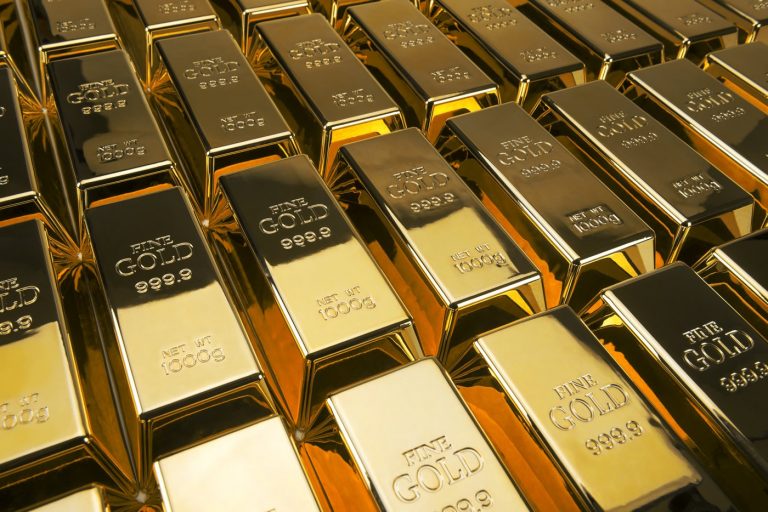
Gold has fallen sharply from its all-time peak, though the exact drop is closer to $1,100–$1,200 per ounce at its deepest point rather than precisely $1,000 depending on the exact peak and through dates
All-time high: Approximately $5,595–$5,608 per ounce, hit in late January 2026 various sources peg it around Jan 28–29. Recent price: Hovering around $4,350–$4,430 per ounce today, with intraday fluctuations. Drop from peak: Roughly $1,150–$1,250 at the lows seen in recent weeks from ~$5,608 to as low as ~$4,400 or below in mid-March. That’s about a 20–22% correction or more at the absolute through.
It has posted its worst weekly decline in over 40 years since 1983, with multi-day losing streaks and double-digit percentage drops in short order. This pullback follows an explosive rally: gold surged over 60% in 2025, breaking $4,000, then $5,000, and setting repeated records into early 2026 amid central bank buying, geopolitical tensions, inflation worries, and dollar diversification.
The recent sell-off accelerated with: Escalating Middle East conflict, which initially boosted safe-haven demand but later fueled higher oil prices and inflation fears; leading markets to price in fewer Fed rate cuts or even higher-for-longer rates. Higher real yields are typically a headwind for non-yielding gold. Profit-taking after the euphoric run-up. A stronger U.S. dollar in spots.
Register for Tekedia Mini-MBA edition 20 (June 8 – Sept 5, 2026).
Register for Tekedia AI in Business Masterclass.
Join Tekedia Capital Syndicate and co-invest in great global startups.
Register for Tekedia AI Lab.
Liquidation in leveraged positions including among hedge funds and retail. Even with the drop, gold remains up ~44–46% year-over-year and well above 2024 levels. It’s not uncommon in bull markets for sharp corrections to occur—gold has seen plenty of 10–20%+ pullbacks historically while still trending higher over time.
Many analysts still see a bullish longer-term case, with forecasts pushing toward $5,000+ by end-2026 or even higher, driven by ongoing structural demand from central banks, geopolitical risks, and potential currency debasement themes. Short-term, support levels to watch include the $4,200–$4,300 zone near the 200-day moving average or 50% retracement of the 2025 rally.
A break below could open more downside, while stabilization or de-escalation in tensions could spark a rebound. Volatility like this is par for the course in commodities, especially after parabolic moves. If you’re holding physical gold or long-term exposure, this is often viewed as a healthy (if painful) reset rather than the end of the uptrend.

Silver has experienced an even more dramatic and volatile recent performance than gold, with sharper rallies, bigger single-day crashes, and larger percentage corrections—typical for the “volatile cousin” of gold due to its dual role as a precious metal (safe-haven/investment) and industrial metal (solar, electronics, etc.). All-time high: $121.67/oz (hit late January 2026, around Jan 29–30).
Recent price: Trading in the $66–$70/oz range e.g., ~$68–$69 on March 23–24, with intraday swings and recent stabilization attempts. Drop from peak: Roughly $51–$55/oz decline, or about 42–45% at the deepest troughs; some reports note a 35% pullback to mid-$78 levels earlier in March, with further weakness since.
This includes a notorious 30–31% single-day crash on January 30, 2026, triggered by margin hikes on futures that sparked forced liquidations. Gold peaked near $5,600/oz and has fallen 20–22% ($1,150–$1,250 drop) to the $4,350–$4,430 area. Silver’s percentage correction from its peak has been roughly twice as severe in relative terms, reflecting its higher beta.
Gold: +60–67%; strong, but silver significantly outperformed. Into Early 2026 Peak: Silver continued surging, up another ~70%+ in January alone at one point, for a cumulative ~320% rally from early 2025 lows in nominal terms. Gold’s move was impressive but less parabolic.

Silver: Down ~35–45% from the $121+ high, with multiple double-digit weekly drops and one of the worst single-day plunges in decades (second-worst on record). Gold: Down ~20–22% from its high, with its own worst weekly decline in over 40 years, but milder in percentage terms.
Both metals sold off amid the same catalysts: escalating Middle East tensions; pushing oil/inflation higher ? fewer expected Fed rate cuts ? higher real yields, profit-taking after euphoria, stronger USD periods, and leveraged position liquidations. Silver’s industrial demand component added extra volatility when sentiment shifted.
Year-to-Date (2026) and Longer-Term: Both remain sharply higher than 2024/early 2025 levels. Silver is still up ~100–150%+ over the past 12–15 months despite the pullback; gold is up ~40–46% YOY. Gold-to-silver ratio: Compressed significantly during the rally; silver outperforming, but the correction has seen some widening again.
Silver futures trading often involves more retail/hedge fund momentum players, leading to sharper blow-offs. Over 50% of silver demand is industrial (solar panels, EVs, electronics), which can amplify reactions to economic data or policy shifts, unlike gold’s purer monetary/safe-haven profile.
Lower liquidity relative to gold: Smaller market means bigger percentage swings on the same flows. Shared drivers with gold but amplified—silver often “levers” gold’s moves 1.5–3x in bull or bear phases. Many analysts remain structurally bullish on silver longer-term due to persistent supply deficits, surging green energy demand (solar alone is a major tailwind), and potential for gold-silver ratio compression if the bull market resumes.
Forecasts for 2026 averages range widely, with some seeing new highs later in the year if industrial demand holds and investment flows return. However, near-term risks include further liquidation if yields stay elevated or tensions escalate.
This kind of volatility is common in silver’s history—big corrections (30%+) have occurred inside larger bull markets, often followed by strong recoveries for those who held through the noise. Markets are fast-moving; these are snapshots based on recent data. This isn’t investment advice—prices can swing wildly, so consider your risk tolerance, do your own research, or consult a professional.