

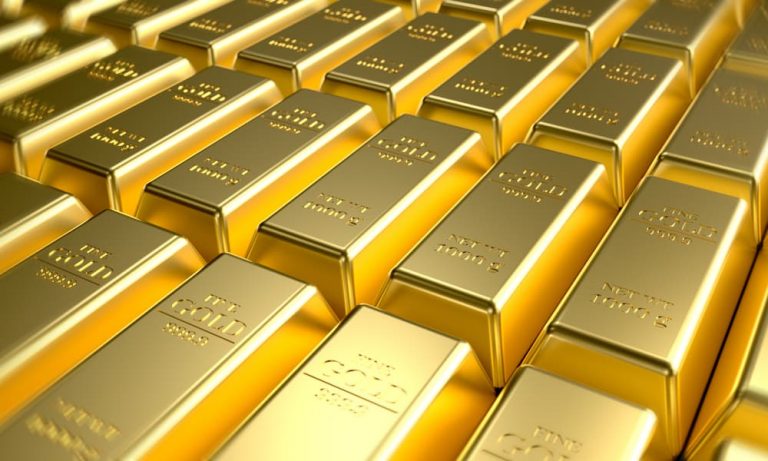
Gold extended its sharp decline on Friday, falling towards a more than one-year low as expectations of further US interest-rate increases strengthened the dollar and Treasury yields, reducing the appeal of the non-yielding metal.
Spot gold fell 1% to $3,585.92 per ounce by 1113 GMT, after touching $3,513.54 earlier in the session, its lowest level since September 4, 2025. Bullion has lost about 8% this week, putting it on course for its steepest weekly decline since the week ended March 20.
US gold futures for December delivery dropped 2.7% to $3,587.90 per ounce, extending the pressure across the precious metals market.
Register for the next Tekedia Mini-MBA.
Register for Tekedia AI in Business Masterclass.
Join Tekedia Capital Syndicate and co-invest in great global startups.
The latest selloff marks a sharp reversal for gold as investors reassess the outlook for US monetary policy. Expectations that the Federal Reserve may raise interest rates again have pushed up the dollar and bond yields, increasing the opportunity cost of holding an asset that does not generate interest.
Critical Metals CEO Tony Sage said the combination of tighter monetary policy expectations and losses in technology stocks was adding to selling pressure.
“Gold is under renewed pressure from hawkish Fed expectations, which are lifting real yields and the US dollar and raising the opportunity cost of holding a non-yielding asset,” Sage said.

He added that the ongoing selloff in AI-related equities was prompting some investors to liquidate gold positions to cover losses elsewhere in their portfolios.
The decline comes as global markets face renewed uncertainty over the outlook for technology stocks and interest rates. Asian shares tumbled on Friday and were heading for their worst weekly performance since 2020, as Anthropic’s stock market debut failed to restore confidence in the broader AI sector.
The dollar also extended its rally, supported by safe-haven demand and expectations of higher US borrowing costs. A stronger dollar makes gold more expensive for buyers using other currencies, potentially weakening international demand.

Gold’s decline accelerated after Philadelphia Federal Reserve President Anna Paulson joined other policymakers in warning about inflation risks that could justify another interest-rate increase.
The comments reinforced market expectations that the Federal Reserve may tighten monetary policy further, reversing hopes among some investors for an easing cycle.
According to CME’s FedWatch tool, markets were pricing in a 99% probability of a 25-basis-point US rate increase in December.
Higher interest rates typically weigh on gold because investors can earn better returns from interest-bearing assets such as Treasury securities. Rising real yields make the opportunity cost of holding bullion more pronounced, while a stronger dollar adds another headwind.
The combination has created a difficult environment for gold, particularly as investors reduce exposure to assets that have performed well during periods of monetary uncertainty.
The pressure has also coincided with forced selling linked to losses in technology equities. Investors facing declines in AI-related stocks may sell profitable or liquid positions in other assets to meet funding requirements or rebalance portfolios. Sage said this dynamic was contributing to the liquidation of some gold holdings.
However, physical demand in major Asian markets has provided a measure of support. Buyers in India and China increased purchases during the week as lower prices attracted bargain hunters. Investors in China, in particular, viewed the correction as an opportunity to accumulate bullion at reduced prices.
The stronger physical demand has so far failed to offset the broader selling pressure from financial markets, where interest-rate expectations and currency movements are driving prices.
Silver, Platinum and Palladium Extend Losses
Other precious metals also declined on Friday, tracking gold’s weakness as investors responded to the same macroeconomic pressures.
Spot silver fell 0.4% to $42.58 per ounce, while platinum dropped 2.6% to $1,309.36. Palladium slipped 0.3% to $906.67.
All three metals were heading for a second consecutive weekly decline, extending losses across the precious metals complex.
Sage said silver had experienced a sharper move because of its greater price volatility, while platinum and palladium were also vulnerable to concerns about economic growth.
“Silver, platinum and palladium are declining in tandem with gold primarily because of the same macro drivers. Silver is typically more volatile and has amplified the move this week. Platinum and palladium are also sensitive to growth concerns that accompany tighter monetary policy,” he said.
The decline in precious metals highlights how expectations of higher interest rates are influencing a range of assets beyond government bonds and currencies. While gold is sensitive to real yields and the dollar, platinum and palladium also face pressure from concerns about industrial demand as tighter monetary policy weighs on economic activity.
Gold’s immediate direction will depend heavily on incoming US inflation data and signals from Federal Reserve policymakers, according to analysts. A further shift towards tighter monetary policy could sustain pressure on bullion, while any weakening in rate-hike expectations may offer relief.
However, the prospect of higher borrowing costs, a stronger dollar and continued volatility in technology stocks has currently pushed gold towards its weakest levels in more than a year, putting the metal on course for its largest weekly loss in eight months.