

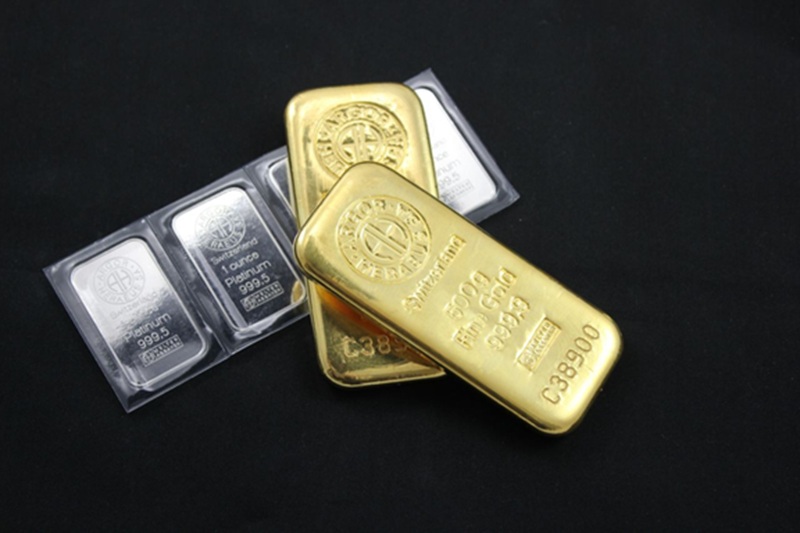
Gold and silver prices fell sharply on Monday as rising global bond yields increased the opportunity cost of holding non-interest-bearing assets, extending pressure on precious metals after a period of strong gains.
Gold futures fell 3.34% to $4,176.80, while spot gold declined 3.27% to $4,145.88 around 5:40 a.m. ET. Silver suffered a steeper decline, with futures down 5.1% at $61.52 an ounce and spot silver falling 4.92% to $61.11.
The sell-off quickly spread to mining stocks. Shares of major gold and silver producers fell in premarket trading, showing how movements in bullion prices can translate into sharper swings for mining companies because their earnings are highly sensitive to the price they receive for the metals.
Register for the next Tekedia Mini-MBA.
Register for Tekedia AI in Business Masterclass.
Join Tekedia Capital Syndicate and co-invest in great global startups.
Sibanye Stillwater fell 7.92%, Harmony Gold Mining dropped 7.49%, and Newmont declined 4.72%. Among silver producers, Silvercorp Metals fell 7.13%, Endeavour Silver lost 5.86%, and Hecla Mining declined 5.55%.
The immediate pressure on precious metals is coming from the bond market.
Government bond yields have been rising as investors reassess the path of monetary policy and the persistence of inflation. Higher yields make interest-bearing assets more attractive relative to gold and silver, which do not generate income.

The relationship is crucial for gold because investors must weigh its role as a store of value and portfolio diversifier against the return available from relatively safe government securities.
“If hikes bring inflation under control, gold faces sustained pressure,” Max Baecker, president of American Hartford Gold, said in a note Friday. “If inflation sticks or economic stress builds, demand for gold as a diversifier holds.”
That has resulted in a more complicated outlook than the day’s sharp decline suggests.

Bond Yields Are Driving The Immediate Sell-Off
The latest move in precious metals comes as investors continue to monitor the possibility of further Federal Reserve interest-rate increases. Higher rates can pressure gold through two channels. They increase the return available from bonds and other yield-bearing assets, while also raising the opportunity cost of holding an asset that generates no interest.
Silver faces the same pressure, although its market has an additional industrial component. That can make silver more sensitive to expectations for global economic growth as well as monetary policy.
The simultaneous decline in gold and silver is seen as an indication that the broader move in real and nominal yields is currently overwhelming some of the factors that had supported precious metals.
For mining companies, the effect can be amplified. A decline in bullion prices can reduce expected revenue while many production costs remain relatively fixed in the short term. That means mining shares can move substantially more than the underlying commodity.
Monday’s premarket declines illustrate that leverage.
Central-Bank Demand Provides A Counterweight
The longer-term picture for gold is less straightforward because central-bank buying remains an important source of structural demand.
Baecker noted that global central banks purchased 289 metric tons of gold in the second quarter, describing the buying as part of a longer-term reserve strategy rather than something determined entirely by Federal Reserve policy.
Central banks are not necessarily making the same calculation as short-term investors deciding between gold and Treasury securities. Gold can serve as a reserve asset and diversification tool, meaning demand can remain strong even when higher interest rates make the metal less attractive on a relative-return basis.
This creates two opposing forces in the gold market.
On one side, higher bond yields and tighter monetary policy can reduce investment demand. On the other, persistent central-bank purchases can provide a source of underlying demand that is less sensitive to day-to-day movements in US interest rates.
The durability of the sell-off will therefore depend partly on whether higher yields persist and whether inflation expectations continue to support expectations for additional Federal Reserve tightening.
The Inflation Question Remains Crucial
Gold’s traditional role as an inflation hedge also makes the current environment unusually complicated, analysts have said. If higher interest rates successfully bring inflation lower, the rationale for holding gold as protection against accelerating prices becomes weaker at the same time that bonds are offering higher yields.
If inflation remains persistent, however, investors may continue to use gold as protection against the erosion of purchasing power. Economic or financial stress could provide another source of demand.
That is why the direction of real yields may ultimately matter as much as nominal Treasury yields. A rise in bond yields accompanied by an even larger increase in inflation expectations can have a different effect on gold than a rise in yields driven primarily by expectations of tighter monetary policy and lower future inflation.
For now, markets are responding to the latter risk.
The sharp decline in silver also shows that the pressure extends beyond the traditional monetary role of precious metals. Silver combines investment demand with industrial consumption, leaving it exposed to both financial conditions and expectations for economic activity.
Therefore, Monday’s move marks more than a routine pullback in bullion. It is seen as a test of whether the forces that drove precious metals higher can withstand a sustained repricing of global interest rates. If bond yields remain elevated, gold and silver may face continued pressure from investors seeking income. But persistent inflation, economic stress, and continued central-bank accumulation could provide support that limits the durability of the decline.
The bond market, for now, is setting the tone for precious metals, with the sharpest pressure falling on assets that cannot compete directly with rising yields.