

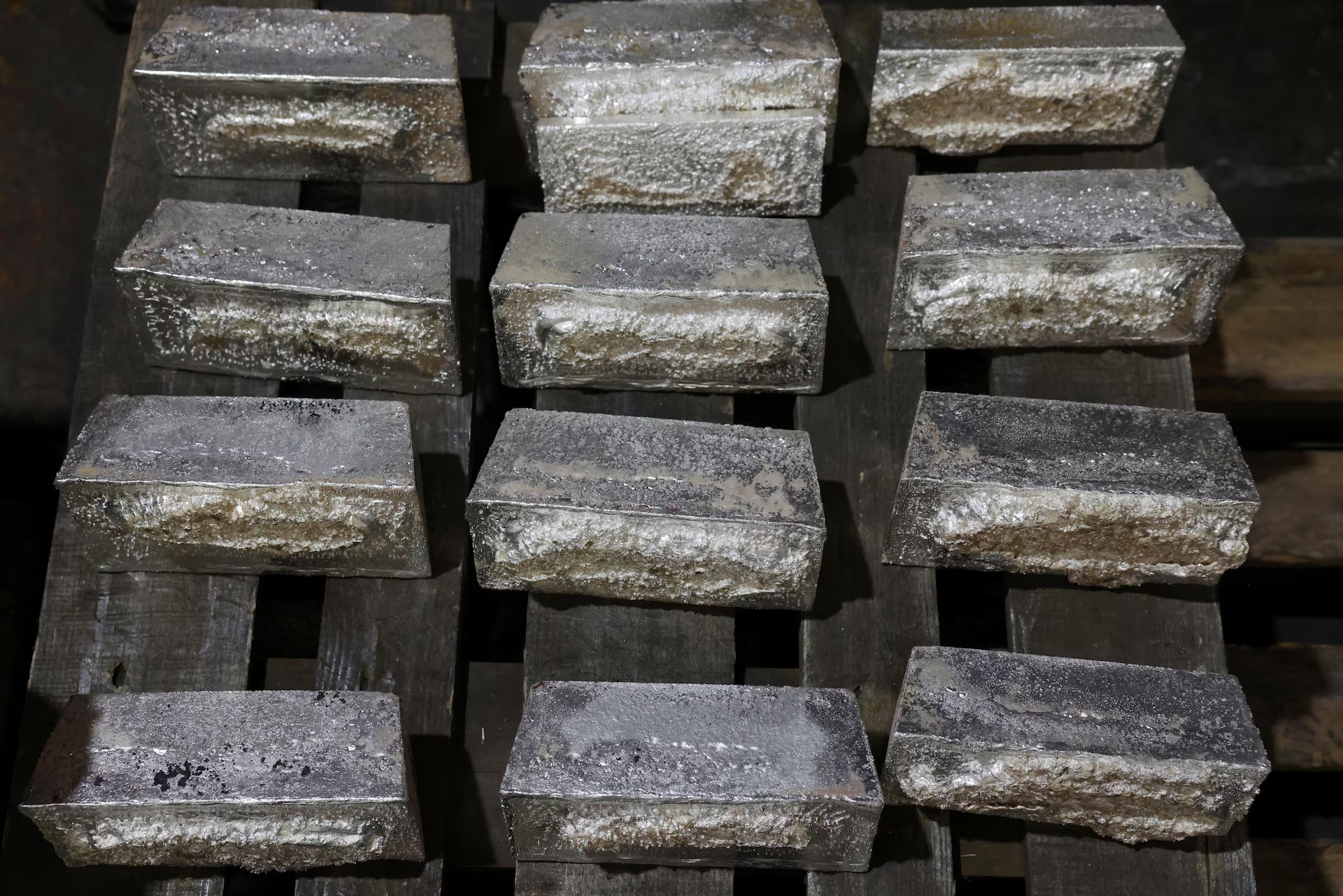
Gold pulled ahead of silver in global commodity markets after a US–Iran diplomatic breakthrough triggered a sharp decline in crude oil prices and reshaped cross-asset risk positioning.
The easing of geopolitical tensions reduced the immediate risk premium embedded in energy markets, while simultaneously strengthening demand for defensive stores of value. As oil retreated to multi-month lows, investors rotated across precious metals, recalibrating expectations for inflation, interest rates, and safe-haven allocation.
The result was a widening performance gap between gold and silver, with gold capturing the dominant bid. The US–Iran agreement signaled a de-escalation in Middle East risk, removing fears of supply disruptions through key maritime chokepoints such as the Strait of Hormuz.
Register for the next Tekedia Mini-MBA.
Register for Tekedia AI in Business Masterclass.
Join Tekedia Capital Syndicate and co-invest in great global startups.
Brent and WTI futures responded with aggressive selling as traders unwound geopolitical risk premiums built over prior months. Lower energy prices feed directly into inflation expectations, particularly in headline CPI models, prompting a repricing of central bank policy trajectories.
With inflation expectations softening, real yields adjusted unevenly, creating an environment typically favorable to gold, which is more sensitive to real interest rate dynamics than to industrial demand cycles.
Gold’s outperformance over silver reflects divergent structural demand profiles. Gold is primarily a monetary asset, driven by central bank reserves, ETF inflows, and macro hedging flows. Silver, by contrast, carries a dual identity as both a precious metal and an industrial input tied to manufacturing and renewable energy demand.
In a risk-off macro shift driven by falling oil and improving geopolitical stability, industrial-linked commodities often lag. This dynamic left silver more exposed to cyclical concerns, even as gold benefited from renewed safe-haven allocation and portfolio rebalancing.

Additionally, currency dynamics reinforced the divergence. A softer oil price environment tends to ease inflationary pressure, reducing expectations for aggressive monetary tightening from the Federal Reserve and other major central banks. This typically weakens the US dollar in real terms over time, a supportive backdrop for gold.
However, silver’s sensitivity to global growth expectations limited its upside response. Investors increasingly favored gold as a pure hedge against policy uncertainty, while silver was treated more as a hybrid industrial asset, resulting in relative underperformance.
Market participants now watch whether the US–Iran deal marks a durable geopolitical reset or a temporary reprieve. If oil remains subdued, inflation volatility may decline further, strengthening the case for sustained allocations to gold.
Silver’s trajectory will depend more heavily on industrial demand recovery and manufacturing data in China and advanced economies.

For now, the commodity complex reflects a clear hierarchy: macro hedging flows dominate, oil repricing resets inflation assumptions, and gold asserts leadership over silver in the precious metals space. Another layer shaping the divergence is the behavior of institutional flows across ETFs, futures positioning, and central bank accumulation.
Gold continues to benefit from persistent reserve diversification by emerging market central banks seeking to reduce dollar exposure, while silver lacks a comparable sovereign bid.
In derivatives markets, declining oil volatility has also compressed overall commodity risk premia, encouraging systematic funds to reallocate toward assets with stronger macro hedging characteristics.
The gold–silver ratio widened as traders repriced relative scarcity of monetary versus industrial demand. Rising ratios during macro easing cycles have signaled early phases of capital rotation into gold leadership. Technical momentum strategies amplified this move, as trend-following models reduced silver exposure faster than gold due to weaker breakout confirmation.