

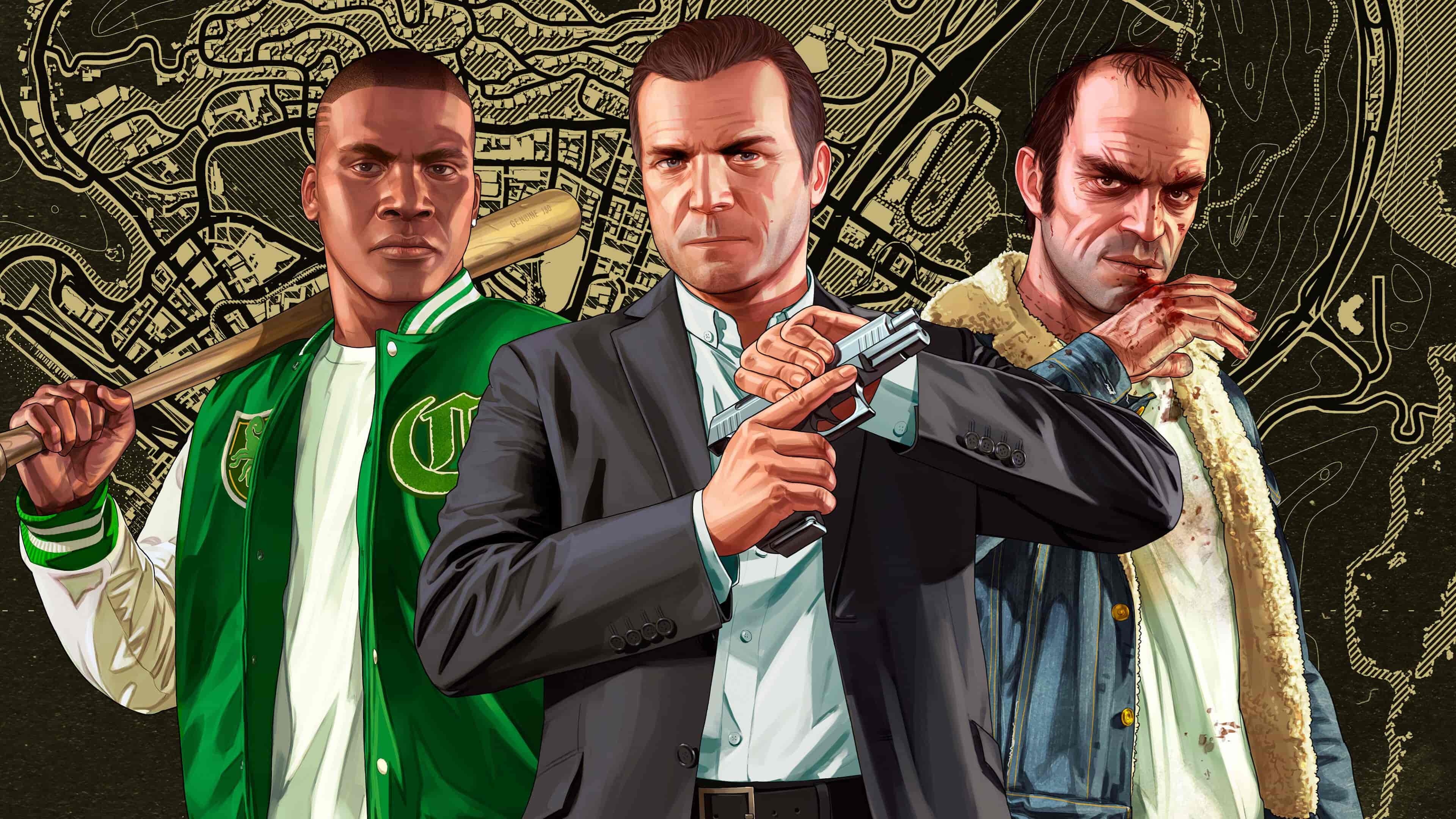
The excitement surrounding Grand Theft Auto VI (GTA VI) is rapidly moving beyond video games, creating a lucrative market for merchandise inspired by its fictional world.
As anticipation builds for Rockstar Games’ highly anticipated release, resellers are capitalizing on the growing demand for anything associated with Vice City, selling branded clothing, accessories and collectibles at significantly inflated prices.
What began as enthusiasm for a blockbuster gaming franchise is increasingly becoming a commercial opportunity for entrepreneurs seeking to profit from its enormous cultural influence.
Register for the next Tekedia Mini-MBA.
Register for Tekedia AI in Business Masterclass.
Join Tekedia Capital Syndicate and co-invest in great global startups.
GTA VI is among the most anticipated entertainment releases in recent history. Its predecessor, Grand Theft Auto V, established an extraordinary commercial legacy.
Selling more than 200 million copies worldwide and becoming one of the most successful entertainment products ever created.
Expectations surrounding the next installment have generated considerable interest among gamers, collectors and businesses hoping to benefit from the franchise’s popularity.

The fictional Vice City, inspired by Miami, has become a powerful part of the marketing phenomenon. Its neon aesthetics, beach culture, distinctive fashion and references to American nightlife have helped establish an identity that extends beyond the gaming experience.
For many fans, purchasing merchandise associated with Vice City offers an opportunity to participate in the excitement before the game itself becomes available.
Resellers have recognized this demand and are positioning themselves to capture a share of the market. Merchandise featuring Vice City-inspired designs, graphics and references to the GTA universe is attracting attention across online marketplaces and independent retail channels.

Some sellers are charging substantial markups, betting that enthusiastic fans will pay premium prices for products that reflect their connection to the franchise.
The resale phenomenon highlights how modern gaming communities create commercial opportunities long before a product officially reaches consumers.
Social media platforms accelerate trends, allowing merchandise to gain visibility through influencers, gaming communities and viral posts.
A design associated with a recognizable video game can quickly become desirable among audiences who might not otherwise purchase conventional gaming merchandise.
The growing market raises questions about authenticity, intellectual property and consumer protection. Not every product marketed as Vice City merchandise is officially licensed by Rockstar Games or its parent company, Take-Two Interactive.
Independent sellers may use recognizable imagery, slogans or visual elements without authorization, potentially exposing themselves to intellectual property disputes.
Consumers face the possibility of paying premium prices for unofficial products that offer little assurance of quality. As demand increases, distinguishing authentic merchandise from unauthorized reproductions becomes increasingly important.
Buyers attracted by the excitement surrounding GTA VI may discover that expensive purchases do not necessarily carry the exclusivity or legitimacy suggested by sellers.
The merchandise frenzy demonstrates the extraordinary commercial value of its intellectual property. Beyond game sales, the franchise generates opportunities across fashion, collectibles, entertainment collaborations and digital communities.
Maintaining control over licensing and brand presentation could become an important consideration as GTA VI expands its cultural footprint.
The Vice City merchandise boom illustrates how anticipation itself has become a valuable commodity. Resellers are monetizing excitement before millions of players even enter the game’s virtual streets.
Whether these inflated prices remain sustainable after launch is uncertain. GTA VI is already demonstrating that its influence extends far beyond gaming, turning nostalgia, branding and fan enthusiasm into a profitable marketplace.
London’s Viral GTA 6 Merch Pop-Up Draws Crowds as Shoppers Wait for Hours
London’s Oxford Street has become a pilgrimage site for video-game fans, as shoppers queue in the rain to enter a Grand Theft Auto VI merchandise pop-up at Selfridges.
The attraction is not a playable demo or an early copy of the game. It is a retail experience built around the fictional world of Vice City, and the crowds show how anticipation for GTA 6 has become a cultural event.
The pop-up opened on November 9, ahead of the game’s November 19 release, bringing more than 60 merchandise items to Selfridges. Its launch generated extraordinary online demand, with reports of more than 100,000 people waiting in a virtual queue.
The collection includes clothing, caps, bags, accessories and products carrying the names of fictional businesses and sports teams from the game. For visitors arriving in person, excitement has been mixed with scarcity.
A recent visit found shoppers outside the department store on a grey, rainy morning, hoping to find merchandise after the online collection sold out.
Some had waited for hours. Inside, customers encountered mostly empty shelves, isolated display pieces and staff who said there would be no further deliveries of certain items.
The queue brought together people with different reasons for attending. A retail worker said he was studying the displays and customer behaviour as competitor research.
A father and his young son had returned hoping to buy a hat, while a visitor from Paris considered a relatively inexpensive souvenir. Their motivations illustrated the pop-up’s appeal beyond committed gamers: it has become a place to observe and participate in a moment attracting widespread attention.
The store’s most striking feature is a custom-painted Ferrari Testarossa, styled in blue and pink and presented as the real-world counterpart of the fictional Grotti Cheetah.
The car, reportedly offered for around $1.3 million, gives the display a luxury dimension matching Selfridges’ high-end setting. Some merchandise is similarly expensive, including a varsity jacket priced at £2,500.
Yet the event’s resale market may be its most revealing feature. A keyring that sold for about $10.50 at the pop-up was reportedly listed online for $80.
Other items have appeared on resale platforms at multiples of their original prices. Scarcity, online attention and the desire to own something associated with a major release have created an opportunity for resellers.
The frenzy raises questions about the relationship between gaming, fashion and consumer culture. Grand Theft Auto has always drawn on recognizable brands, status symbols and exaggerated displays of wealth.
Its merchandise allows fans to carry pieces of that fictional world into everyday life. For retailers, the collaboration demonstrates how entertainment properties can transform a store into a destination and attract customers who might otherwise not visit.
The activation is scheduled to run through November 28, giving latecomers a narrow window to visit. Not everyone in the queue will leave with what they came for.
Shoppers face high prices, limited choices and the possibility of finding only the last item on a shelf. But even empty displays have become part of the story.
The London pop-up demonstrates that GTA 6’s commercial impact began before players picked up a controller, turning anticipation into something people are willing to queue, spend and compete for