

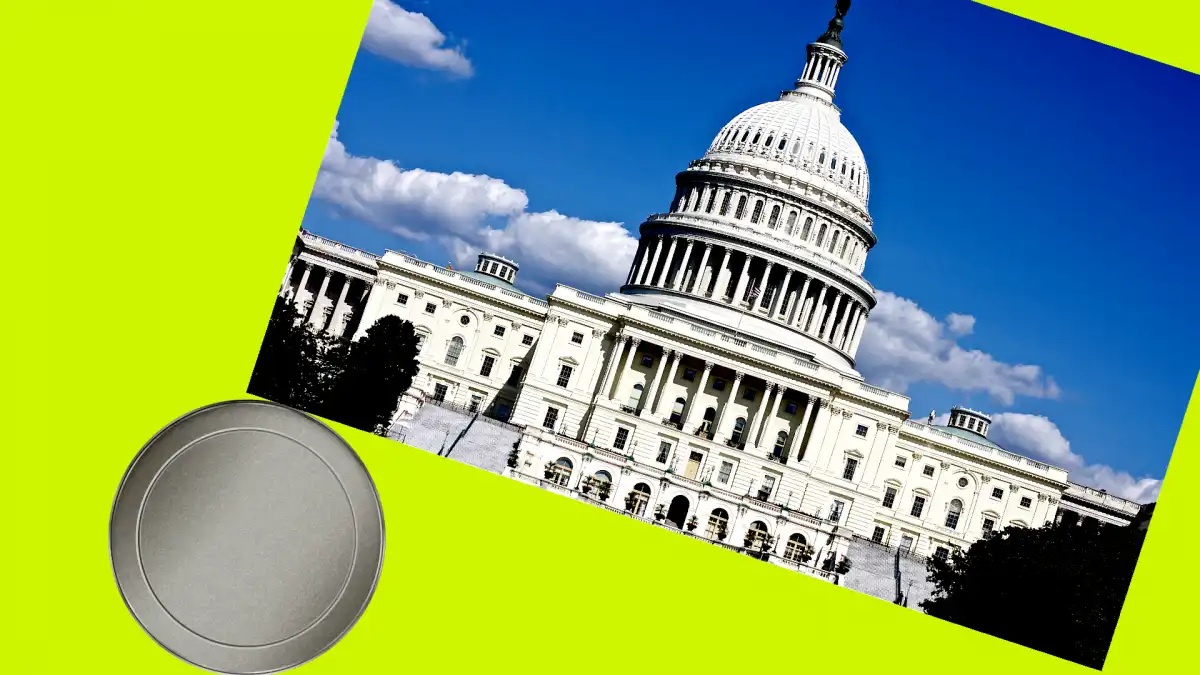
The US midterm elections are about more than political control in Washington. Their consequences could reach directly into household budgets, financial markets, employment, housing costs and the broader economy.
For millions of Americans already struggling with the cost of living, the election results could influence how much money they have left after paying for essential expenses.
One of the biggest economic pressures facing households is the rising cost of housing and food. These two categories account for roughly half of American consumer spending, making them central to the economic concerns influencing voters.
Register for the next Tekedia Mini-MBA.
Register for Tekedia AI in Business Masterclass.
Join Tekedia Capital Syndicate and co-invest in great global startups.
Rent, mortgage payments, groceries and other basic necessities leave many families with limited room to absorb unexpected expenses or build savings.
Housing remains important because higher mortgage rates, expensive rents and limited affordability have made it difficult for households to purchase homes or relocate.
Even Americans who have benefited from wage increases can find that much of their additional income disappears into rent, utilities and property-related expenses. Food prices create another persistent challenge.

Especially for lower-income households that spend a larger proportion of their earnings on necessities. These pressures help explain why economic performance can become a decisive issue during midterm elections.
Voters often judge the administration not simply by headline economic growth or stock market performance, but by whether their everyday lives are becoming more affordable. The 2026 midterm results could change the direction of economic policymaking.
Democrats’ victories in both chambers of Congress mean President Donald Trump will face a legislature with greater opposition during the final two years of his administration. This could complicate efforts to advance tax proposals, spending priorities, trade policies and other economic initiatives.

For financial markets, the implications are mixed. Investors will be watching whether the change in congressional control produces greater policy uncertainty or creates opportunities for more predictable economic decisions.
A divided relationship between Congress and the White House could slow major legislation, affecting businesses that depend on government incentives, infrastructure spending, tax rules and regulatory clarity.
Tax policy is another important consideration. Changes to individual income taxes, business taxation and deductions can influence how much households retain from their earnings and how companies approach investment.
Democrats may seek to challenge or revise parts of the administration’s economic agenda, although presidential veto powers and Senate procedures could limit what either party can accomplish.
The implications extend to retirement savings. Congressional decisions involving Social Security, Medicare, retirement accounts and tax incentives could affect household financial planning.
For older Americans, the sustainability of retirement benefits remains particularly important, while younger workers are concerned about saving enough to manage housing costs and future living expenses.
The Federal Reserve presents another critical part of the economic picture. Although Congress does not directly set interest rates, political developments and government policies can influence inflation expectations, borrowing costs and investor confidence.
If inflation remains persistent, mortgage rates, credit-card interest and business financing could remain expensive, regardless of which party controls Congress.
The latest Bureau of Labor Statistics data put housing at 33.9% and food at 13% of average household expenditures in 2025, together totaling 46.9%. That leaves little flexibility when prices rise.
The midterms do not guarantee cheaper groceries, lower rents or immediate improvements in household finances. Their significance lies in changing the political balance that shapes economic decisions.
Americans will judge the new Congress by whether its policies translate into meaningful improvements in affordability, employment, savings and financial security. Until then, the cost of everyday living will remain a major test of economic leadership.