

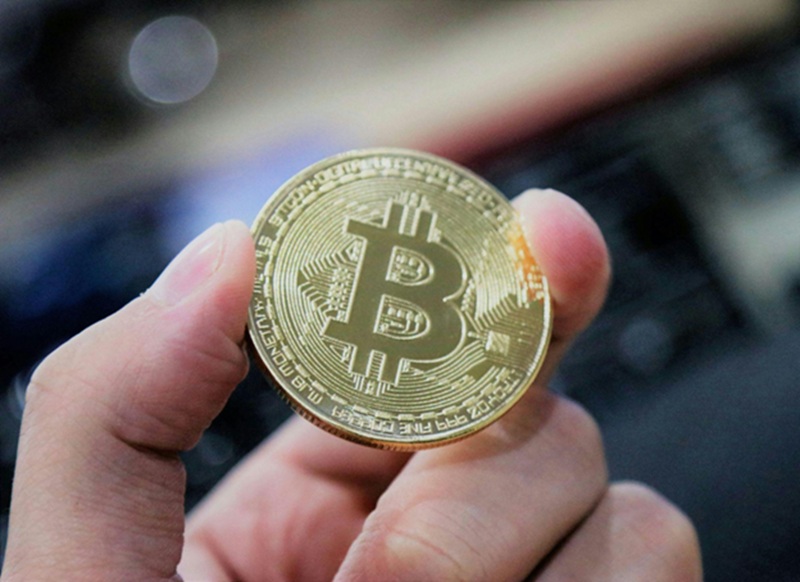
Cryptocurrencies are still a relatively new concept to many, but the rate at which technology is progressing is transforming how consumers interact with them. The volatile nature of cryptocurrencies makes it an exciting prospect for consumers, and harnessing the latest tech can help with predictions, security, monitoring, storage, and trading.
Recent US regulatory changes have helped the crypto industry, and rising values are evidence of consumer confidence. We explore some of the top ways that tech developments have changed the crypto environment below.
Mobile Convenience
Mobile technology has developed at a rapid pace, with high-quality devices complemented by ever-improving connectivity. This has seen developers create state-of-the-art platforms that allow consumers to carry out the vast majority of their needs.
Dedicated crypto trading platforms have developed apps that allow users to easily access their accounts and make changes in real-time. This makes a massive difference when valuations can rise or drop in minutes.
Sites that combine secure crypto wallets with trading platforms are popular among consumers who want to have full access, and many wallets facilitate the storage of multiple cryptocurrencies.
Alternatively, consumers who want the buzz of benefitting from crypto markets without investing in specific coins can explore this site where customers back whether they think cryptocurrencies will rise or fall in value, without having to buy them.
Automation
Bots and algorithms can now be implemented to automate the crypto trading process, with users able to set specific instructions as to when to buy or sell assets. Triggers can include price fluctuations and help to protect investors from sudden drops.
AI and ML Market Analysis
Automating transactions is an excellent way to ensure consumers don’t miss out on exciting opportunities or hold on to assets for too long. AI and ML tools can also be used to collate and analyze market data, providing the user with valuable information that could influence the decisions they make.
Language processing software can provide users with global news, while specialist tools can help to allocate assets based on risk to create a diverse portfolio based on specific requirements.
Transparency Tools
The transparency of blockchain technology is a great asset to those willing to track information, with traders able to see large transactions and movements in real time. Tracking systems can flag large coin dumps, a sign that a major price move is on the horizon.
DeFi Innovations
Decentralized finance innovations are revolutionizing the financial industry, with smart contracts streamlining processes and minimizing intermediary reliance. This can result in a more cost-effective way of agreeing to trades and the rules associated with them. Peer-to-peer liquidity has been facilitated through automated market makers, while cross-chain bridges are making trades across different blockchains easier.
Improved Security
Security is a major selling point for crypto and blockchain technology, with immutable transactions made public on digital ledgers for all to see. Tech developments are helping to improve this even further with crypto storage solutions that make use of emerging technologies. Multi-signature wallets and external hardware can improve security and mitigate the risk of crypto theft and fraud.
Fraud detection technology is also improving with AI systems able to differentiate between legitimate actions and more suspicious activities.
Regulatory Adaption
Many governments across the world, including the US, are committed to implementing crypto-specific regulations that will help industry growth and protect consumers. Operators will be able to implement tools to ensure compliance with local laws, as well as KYC (know your customer) and AML (anti-money laundering) regulations. Reporting APIs can share essential data directly with authorities without impacting the user experience.
Conclusion
Technological developments in the crypto industry are inevitable, and this makes a massive difference to how consumers buy, sell, and store their digital assets. As more robust regulatory frameworks begin to be implemented across the world, the industry will be able to grow, and emerging technologies will be able to improve services.