

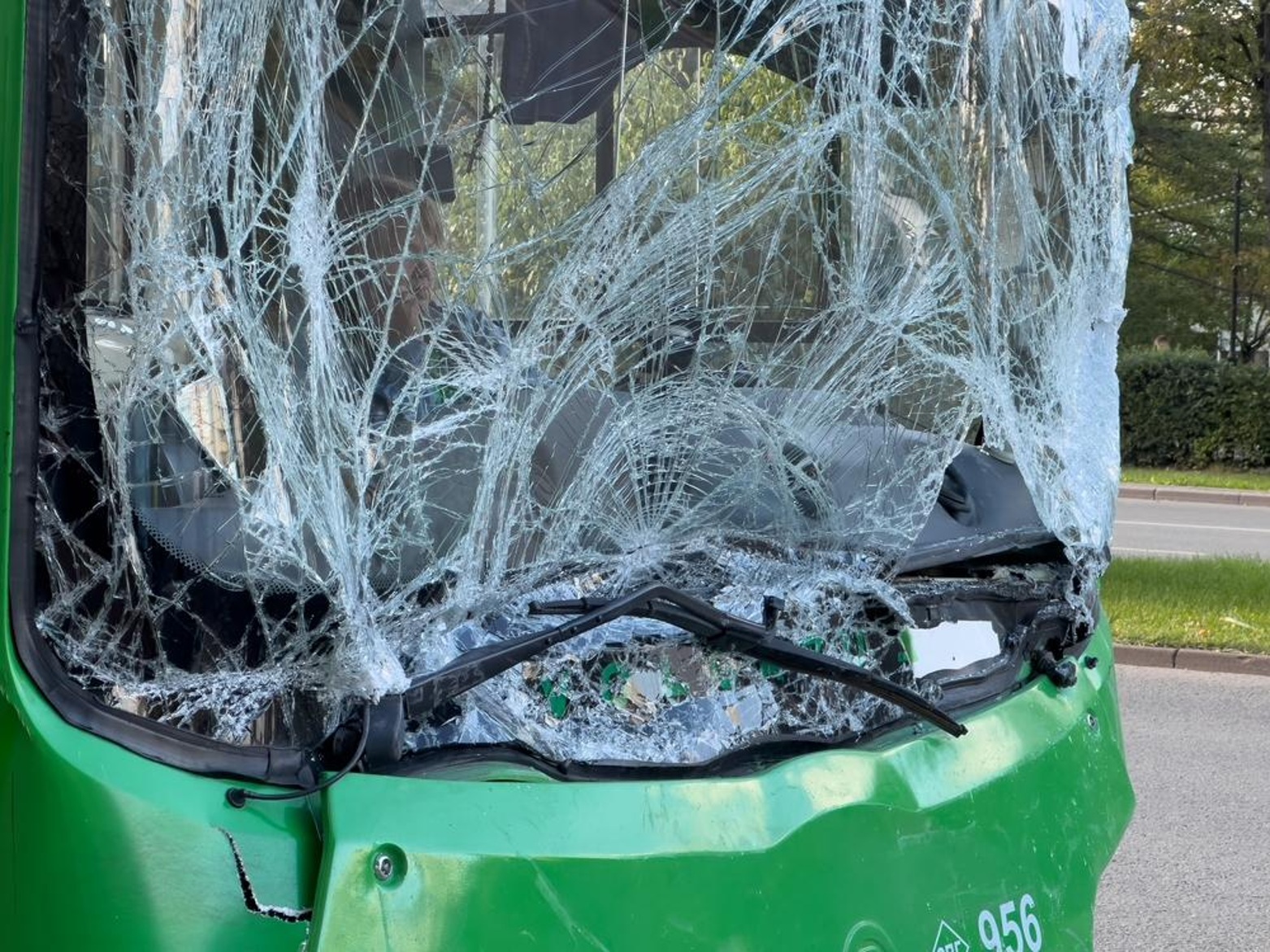
A bus accident can create a long trail of records, questions, and legal steps after the crash itself is over. There may be police reports, medical records, insurance calls, driver records, and questions about who was responsible. The process can look confusing because several people or organizations may be involved. A bus accident lawsuit does not usually begin in court on day one. There is often a claim and evidence review before a case reaches that stage. From reporting the accident to a possible trial, each step adds another part to the story. Here is how the process can unfold.
Step 1: The Accident Is Reported and Documented
The first step is creating a record of what happened. Police may attend the scene and prepare an accident report. Photos may show the bus, other vehicles, road conditions, traffic signs, and visible damage.
Medical care also creates an early record of injuries. Hospital notes, doctor records, and bills can become part of the information connected with the accident.
Other details may come from passengers, drivers, or people who saw the crash. These records can provide a starting point for reviewing the accident.
Step 2: The People and Organizations Are Identified
A bus accident may involve more people than the bus driver. The bus could belong to a private company, public transit system, school, or another operator.
Depending on the facts, other drivers, maintenance companies, or other parties may also become part of the investigation. Identifying the correct parties matters because different records and insurance arrangements may be connected with each one.
A public bus may involve a government transit agency, while a private bus may involve a transportation company. School and charter buses can have their own arrangements as well.
The type of bus and the organization that operates it can affect the records and procedures involved in the case.
Step 3: Injuries and Losses Are Documented
The next part involves recording the effects of the accident. Medical records can show the treatment received after the crash, including hospital care, follow-up visits, tests, and rehabilitation.
Other records may show medical bills, time missed from work, and property damage. These details help document the losses connected with the accident.
A serious injury may also create more records because treatment can continue for a longer period.
Step 4: The Available Evidence Is Reviewed
Evidence can come from many places. A bus may have cameras, GPS information, or other electronic records. Maintenance and inspection records may also provide information about the vehicle.
Other evidence can include:
- Police and accident reports
• Photos and videos
• Driver records
• Passenger or witness statements
• Traffic camera footage
• Bus maintenance records
The records can be compared to create a clearer account of what happened.
Step 5: The Insurance Claim Begins
Insurance companies may become involved after a bus accident. They may review accident reports, medical records, vehicle damage, and other information.
Questions may also arise about fault and the losses connected with the accident. The parties may exchange records and discuss a possible settlement.
Not every accident becomes a court case. Some claims are resolved through the insurance and settlement process without a lawsuit being filed.
Step 6: A Lawsuit May Be Filed
If the dispute is not resolved through the claim process, a lawsuit may be filed in court. This usually begins with a complaint that sets out the claims being made.
The other side then receives notice and has an opportunity to respond. Once the case enters court, formal deadlines and procedures become part of the process.
At this point, the matter is no longer handled only through insurance discussions. The court becomes part of the process.
Step 7: Both Sides Exchange Information
After a lawsuit begins, the parties may enter a stage called discovery. This allows each side to request information and documents related to the case.
Requests may involve medical records, bus maintenance files, driver records, photographs, videos, electronic data, and other documents connected with the accident.
Depositions may also take place. During a deposition, a person answers questions under oath. Drivers, witnesses, passengers, or other people connected with the case may be questioned.
Step 8: Settlement Talks May Continue
Filing a lawsuit does not always mean the case will go to trial. The parties can continue discussing settlement during the court process.
A settlement may resolve the dispute without a judge or jury deciding the case. The parties may review the evidence and discuss the issues involved before reaching an agreement.
If no agreement is reached, the case can continue through the court process.
Step 9: The Case May Go to Trial
A trial can take place if the dispute is not settled. Each side may present evidence, documents, and witness testimony.
The court may hear information about the accident, injuries, records, and other disputed issues. Depending on the case, a judge or jury may make the final decision on the matters being argued.
A trial is only one possible ending, not an automatic part of every bus accident case.
Step 10: The Lawsuit Reaches a Resolution
A case may end through a settlement or a court decision. The exact result depends on the facts, evidence, parties involved, and legal issues in the case.
The full process can take time because serious bus accidents may involve many records and several parties. A lawsuit can move from an accident report to evidence review, insurance discussions, court filings, discovery, settlement talks, and possibly trial. Each step builds on the information gathered before it, giving the case a clearer legal path from the original crash to its final resolution.
The Road From Accident to Resolution
A bus accident case can move through several stages before it reaches an ending. The process may start with an accident report and medical records, then move into evidence review, insurance discussions, court filings, and discovery. Some cases settle before trial, while others continue to court.
A bus accident lawsuit can involve many records and different parties, so the exact process can vary from one case to another. The important part is that each stage adds information to the case and helps define the issues being disputed. From the first report of the accident to the final resolution, the case gradually moves from gathering facts to addressing the legal and financial issues connected to the crash.