

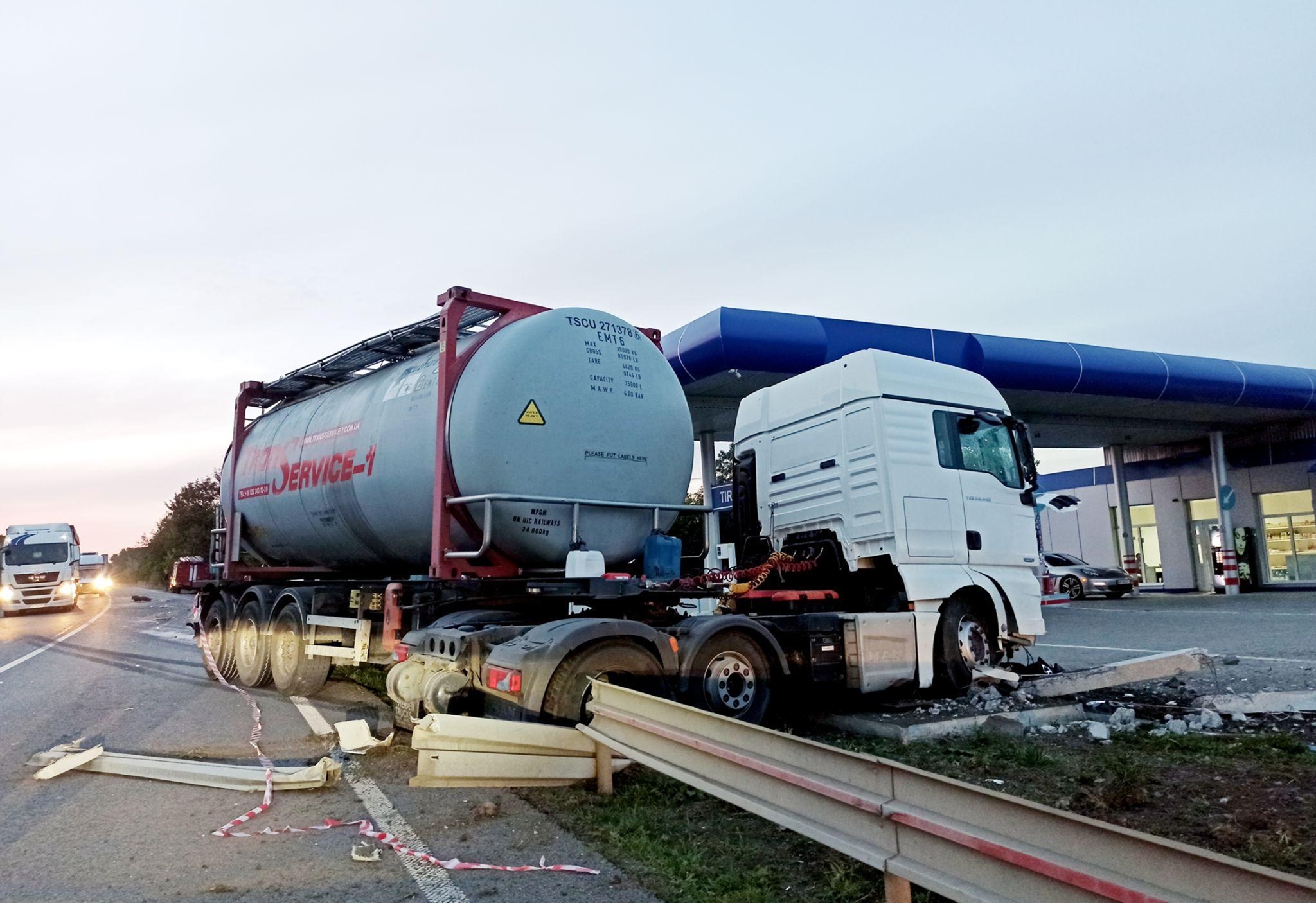
Truck accident litigation is rarely decided by sympathy or surface facts. In reality, these cases rise or fall on evidence—what is preserved, what is documented, and what can withstand scrutiny. In Austin, Texas, where commercial trucking traffic moves through crowded highways, construction zones, and fast-growing urban corridors, the aftermath of a serious truck crash becomes a race against time. Digital records, corporate documents, and physical proof begin to disappear almost immediately. This is why injured victims often turn to Austin truck accident attorneys who understand that in complex trucking cases, accountability is not assumed—it is built through evidence.
Why Truck Accident Evidence Is Different From Car Accidents
Unlike standard vehicle collisions, truck accidents involve commercial operations governed by strict regulations and layered responsibilities. A single crash may implicate a driver, a trucking company, a maintenance contractor, a freight broker, or even a vehicle manufacturer. Each entity generates records, data, and reports that can either clarify liability or obscure it.
This complexity makes evidence collection both more challenging and more critical. Without early, strategic preservation of proof, key information can be lost or controlled by parties with strong incentives to limit exposure.
The Critical Role of Time-Sensitive Evidence
In truck accident litigation, time works against injured victims. Commercial vehicles often carry electronic logging devices, onboard computers, and GPS systems that record speed, braking, hours of service, and route data. These records are not preserved indefinitely.
If evidence is not requested and secured quickly, data may be overwritten or destroyed under routine retention policies. Surveillance footage from nearby businesses or traffic cameras can disappear just as fast. In Austin, where traffic density and construction are constant, scenes change quickly, making early documentation essential.
How Corporate Records Shape Liability
Beyond physical evidence, truck accident cases hinge on corporate documentation. Driver qualification files, training records, maintenance logs, and dispatch instructions often reveal whether safety protocols were followed—or ignored.
These records help establish patterns, not just isolated mistakes. A fatigued driver may point to unrealistic delivery schedules. A mechanical failure may trace back to skipped inspections. Litigation strength grows when evidence shows systemic issues rather than one-time errors.
Insurance Strategy and Evidence Control
Trucking companies and their insurers understand the power of evidence. Defense strategies often focus on narrowing the narrative early, framing the accident as unavoidable or shifting blame onto other drivers.
This is where evidence becomes leverage. When data contradicts initial statements or exposes regulatory violations, settlement dynamics change. For truck accident attorneys in Austin, building a case around objective proof—not assumptions—creates pressure that insurers cannot easily dismiss.
Expert Analysis Turns Data Into Proof
Raw data alone does not win cases. Evidence must be interpreted, contextualized, and explained. Accident reconstruction experts analyze vehicle dynamics and impact forces. Industry experts interpret federal and Texas trucking regulations. Medical experts connect crash mechanics to injury severity.
In Austin truck accident litigation, expert testimony often bridges the gap between technical records and legal accountability. Courts and insurers respond to clear, credible explanations grounded in evidence rather than speculation.
How Texas Law Elevates Evidence Standards
Texas law places a premium on proof, particularly in high-value commercial cases. Comparative fault arguments, damage thresholds, and corporate defenses all increase the importance of strong documentation.
In Austin, where trucking routes include both interstate highways and congested urban roads, evidence must address multiple driving environments. Speed data, lane positioning, and reaction times take on different meanings depending on where and how the collision occurred.
The Second Life of Evidence: Trial Preparation
Even when cases resolve before trial, they are shaped by trial readiness. Evidence collected early must be organized, preserved, and presented as if a jury will evaluate it.
This approach affects negotiations. When trucking companies see that evidence supports a clear narrative of fault and damages, they reassess risk. This is why truck accident attorneys in Austin who prepare cases for court—not just settlement—often achieve stronger outcomes.
What Happens When Evidence Is Weak
When evidence is incomplete or delayed, the balance shifts. Insurers gain room to question causation, minimize damages, or stretch litigation timelines. In truck accident cases, weak evidence often leads to prolonged disputes or undervalued claims.
This is not because injuries are less serious, but because proof is less persuasive. The absence of data creates uncertainty, and uncertainty favors the defense.
Conclusion: Evidence Is the Foundation of Accountability
Truck accident litigation in Austin, Texas, is not driven by emotion or assumption. It is driven by evidence—what was recorded, preserved, and proven. From electronic data to corporate records and expert analysis, each piece contributes to a larger picture of responsibility.
When evidence is treated as the foundation rather than an afterthought, accountability becomes harder to avoid. In a city where commercial trucking plays a constant role in daily life, the outcome of serious truck accident cases ultimately depends on one question: not just what happened on the road, but what can be proven afterward.