

Before Amazon became a household name in America, it needed a push. And that push came quietly, through policy. For years, the U.S. government allowed online retailers not to collect sales tax. That single exemption tilted the market. Buying online suddenly made sense.
Back then, students would walk into bookstores, flip through recommended texts, note the editions, and then go home to order from Amazon, saving roughly 10% in tax. As shopping carts expanded on total value, so did the savings. On a $1,000 item with a 10% sales tax, that was $100 kept in your pocket. And with Amazon often offering free delivery, even if it took days, the value proposition was clear.
Americans got the message. They moved online. Foot traffic in physical stores thinned. And one after another, retail giants fell, from Circuit City to J.C. Penney and many in between. Amazon did not just win because of technology; it won because policy created space for it to scale.
Register for Tekedia Mini-MBA edition 19 (Feb 9 – May 2, 2026).
Register for Tekedia AI in Business Masterclass.
Join Tekedia Capital Syndicate and co-invest in great global startups.
Register for Tekedia AI Lab.
At the same time, Tesla was building electric cars that were far too expensive for most people. Again, policy stepped in. The U.S. government and many states introduced tax credits and deductions that allowed buyers to subtract part of the cost of those cars when filing taxes. Suddenly, a Tesla became more affordable. Without those assists, the Tesla we celebrate today might never have taken its current shape.
Yes, that is not pure, textbook capitalism. But governments are not blind. When they see new markets forming, they lean in.
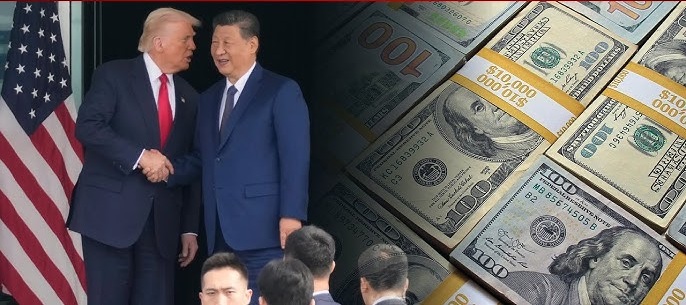
China does the same, only more visibly. While the U.S. nudges through incentives and exemptions, China often builds and invests in plain sight. Today, we read of a $21 billion, state-backed venture initiative: three massive funds aimed at “hard technology”, the kind of deep, foundational innovations that shape long-term competitiveness and national security. These funds will target early-stage startups, spreading capital across hundreds of young firms rather than concentrating on a few late-stage champions. It is ecosystem thinking, at scale.

Good People, every system can work provided three things are present: merit, honesty, and pragmatism. The American system works. The Chinese system works. The Russian system works. And the African system can also work, if we allow those three attributes to lead.
In ancestral Africa, communities built together. They pooled labor, shared risk, and raised institutions collectively. That system sustained societies for generations. It was not broken.
So, the real question is not whether to copy America or imitate China. The real task is to strengthen merit, insist on honesty, and act with pragmatism. When those are in place, most development frameworks will deliver. And that means our leaders must not depend on World Bank or IMF for new lectures before they can fix our lands because most systems, anchored on those three attributes, will work!

China Launches $21 Billion Venture Capital Push to Accelerate ‘Hard Tech’ Self-Reliance
---
Connect via my
LinkedIn |
Facebook |
X |
TikTok |
Instagram |
YouTube