

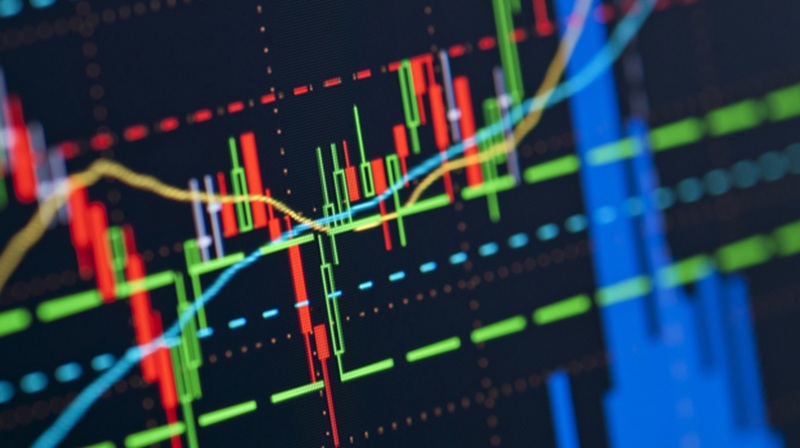
Forex trading no longer belongs only to banks or full-time professionals. Technology has opened access to anyone with a device and internet connection.
More people now explore trading because tools feel easier to use and information spreads faster. You can follow price changes, read market updates, and place trades within minutes.
That shift has changed how people approach forex. It now feels more practical, more flexible, and much closer to everyday financial activity.
Web-Based Platforms Remove Old Barriers
In the past, trading required software downloads, complex setups, and strong hardware. Many beginners gave up before they even placed a trade.
Web-based platforms changed that experience. You can now open a browser, log in, and start trading without installing anything.
Many traders now rely on tools like this:
https://justmarkets.com/trading-platforms/mt4-webtrader
That kind of access removes friction and helps new users get started faster without technical steps. This shift offers clear advantages:
- No need for powerful computers
- Easy access from different devices
- Faster setup for new users
Real-Time Data Changes Decision Making
Technology has improved how traders read the market. Years ago, delayed data created gaps in understanding. Today, most platforms provide real-time price updates.
That speed allows traders to:
- React faster to price movement
- Monitor multiple pairs at once
- Track changes during major news events
For example, when a central bank announces a rate decision, price can move within seconds. Traders who follow live charts can respond fast, while others may miss the move entirely.
Access to fast data helps people feel more in control. It also increases competition, since everyone sees the same information at the same time.
Mobile Access Keeps Traders Connected
Smartphones have changed how often people engage with forex. You no longer need to sit in front of a desktop all day.
Many traders now:
- Check charts during work breaks
- Review positions while commuting
- Set alerts to track price levels
This constant access creates a more active trading habit. People stay connected to the market throughout the day instead of only during fixed hours.
At the same time, mobile trading requires discipline. Easy access can lead to overtrading if someone reacts to every small movement.
Automation And Tools Support Better Analysis
Technology also supports traders through built-in tools. Charts, indicators, and signals help people understand price movement in more detail.
Common tools include:
- Moving averages to track trends
- Support and resistance levels
- Indicators that highlight momentum
These tools do not guarantee success, but they help traders build structure. Instead of guessing, people rely on patterns and data.
Some platforms also allow partial automation. Traders can set stop-loss and take-profit levels before entering a trade.
That feature helps control risk without constant monitoring.
Learning Resources Are Easier To Find
Technology has made forex education more accessible. Beginners can now learn through:
- Video tutorials
- Online articles
- Community discussions
A person can start with basic concepts, then move into more advanced topics over time. That step-by-step learning process feels more manageable.
At the same time, not all sources provide accurate information.
Some focus on quick profit ideas instead of long-term learning. That makes it important to stay selective and focus on reliable content.
Speed And Access Come With New Challenges
While technology makes trading easier, it also creates new risks. Fast execution and constant access can lead to poor decisions if traders act without a plan.
Common issues include:
- Entering trades too quickly
- Following trends without confirmation
- Reacting emotionally to sudden price moves
Technology gives tools, but discipline still matters. Traders who succeed often set rules and stick to them.
Technology Keeps Forex Evolving
Forex trading continues to change as technology improves. Platforms become faster, tools become more advanced, and access continues to expand.
What once required specialized knowledge now feels more open. People can learn, test ideas, and trade with fewer barriers.
At the same time, the core challenge stays the same. Markets move based on global events, and no tool can remove risk completely.
Technology supports traders, but decisions still depend on how well someone understands the market.
Conclusion
Technology has reshaped forex trading by making it easier to access, faster to follow, and more practical for everyday users.
Web-based platforms, real-time data, and mobile access have all played a role in that shift. At the same time, these tools require discipline and clear thinking.
Traders who use technology wisely often build better habits and make more informed decisions over time.
Frequently Asked Questions
Can you trade forex without downloading any software?
Yes, many platforms now run directly in a browser, which allows trading without installing any program on your device.
Do faster platforms guarantee better results?
No. Speed helps with execution, but results still depend on strategy, timing, and risk control.
Can you switch between devices while trading?
Yes, many modern platforms allow access across devices, so you can start on one device and continue on another.
Do beginners need advanced tools to start trading?
No. Many beginners start with basic charts and simple tools, then add more features as they gain experience.