

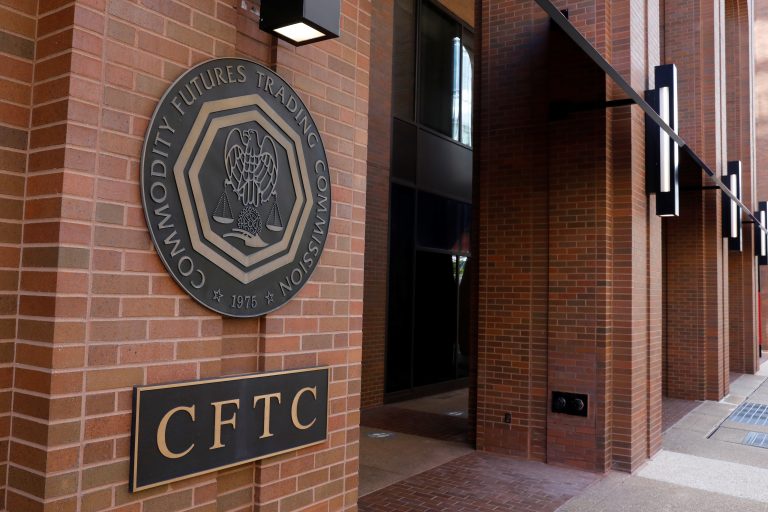
The U.S. Commodity Futures Trading Commission (CFTC) is advancing an initiative to allow spot crypto asset trading on its registered futures exchanges, known as Designated Contract Markets (DCMs).
Announced on August 4, 2025, by Acting Chair Caroline D. Pham, this move is part of the CFTC’s “Crypto Sprint” to implement recommendations from the President’s Working Group on Digital Asset Markets.
The initiative aims to enable immediate trading of digital assets like Bitcoin and Ethereum on federally regulated platforms, leveraging existing authority under the Commodity Exchange Act, which mandates that leveraged or margined retail commodity trading occur on DCMs.
The CFTC is seeking public feedback until August 18, 2025, on how to structure these contracts, including compliance with securities laws and potential jurisdictional overlaps with the SEC’s “Project Crypto.”
This development aligns with recent legislative progress, such as the GENIUS and CLARITY Acts, fostering regulatory clarity for digital assets. However, legal experts warn of potential conflicts, as some crypto assets may blur the line between commodities and securities, creating regulatory risks.
Register for Tekedia Mini-MBA edition 20 (June 8 – Sept 5, 2026).
Register for Tekedia AI in Business Masterclass.
Join Tekedia Capital Syndicate and co-invest in great global startups.
Register for Tekedia AI Lab.
Allowing crypto trading on CFTC-regulated DCMs brings digital assets into a well-established regulatory framework, enhancing their legitimacy in the eyes of institutional investors and traditional financial markets. This move aligns with recent legislative efforts like the GENIUS and CLARITY Acts.
By integrating crypto into regulated futures exchanges, the CFTC is signaling a proactive approach to overseeing digital assets, potentially reducing reliance on unregulated or offshore platforms. Enabling spot crypto trading on DCMs could democratize access to digital assets, allowing retail and institutional investors to trade Bitcoin, Ethereum, and other cryptocurrencies.
Existing futures exchanges, like the Chicago Mercantile Exchange (CME), could expand their offerings, leveraging infrastructure already in place for futures and options to include spot markets, potentially increasing liquidity. The CFTC’s initiative may create friction with the Securities and Exchange Commission (SEC).

The CFTC’s approach relies on the Commodity Exchange Act’s authority over retail commodity transactions, but legal experts note potential conflicts if assets are deemed securities under the SEC’s purview. This could lead to regulatory arbitrage or legal disputes, complicating compliance for market participants.
Trading on CFTC-regulated DCMs requires adherence to strict rules, including know-your-customer (KYC) and anti-money laundering (AML) compliance, which could reduce fraud and enhance consumer trust. Regulated exchanges are subject to oversight, ensuring better risk management, transparency, and safeguards against market manipulation compared to unregulated crypto platforms.
The initiative could spur innovation by allowing exchanges to develop new crypto-based products, such as margined spot contracts or hybrid instruments, fostering competition among DCMs. Established crypto exchanges like Coinbase or Binance may face pressure to align with CFTC standards or partner with DCMs, potentially reshaping the competitive landscape.

How Crypto is Advancing Under This New Regime
The CFTC’s “Crypto Sprint” and alignment with legislative efforts (e.g., GENIUS and CLARITY Acts) reflect a shift toward integrating crypto into existing financial regulatory frameworks. This contrasts with earlier ad-hoc enforcement actions, providing a structured path for compliance.
The CFTC’s request for public feedback by August 18, 2025, indicates an inclusive approach, allowing input from industry stakeholders to shape rules for spot crypto trading, which could lead to more practical and widely accepted regulations.
The availability of regulated crypto trading could also spur the development of crypto-based exchange-traded funds (ETFs) or other investment vehicles, further bridging traditional finance and crypto markets. The integration of crypto into DCMs may encourage technological upgrades to handle high-frequency trading, custody solutions, and real-time settlement.
Crypto’s advancement under this regime faces hurdles, including resolving CFTC-SEC jurisdictional overlaps. For instance, Ethereum’s status as a commodity or security remains debated, impacting how it’s traded on DCMs. The industry must also address technical challenges, such as ensuring DCMs can handle the unique custody and settlement requirements of digital assets, which differ from traditional commodities.
The CFTC’s push to allow crypto trading on registered exchanges is a pivotal step toward mainstreaming digital assets, offering regulatory clarity, consumer protection, and market access. However, jurisdictional tensions, compliance costs, and technical challenges could slow progress.