

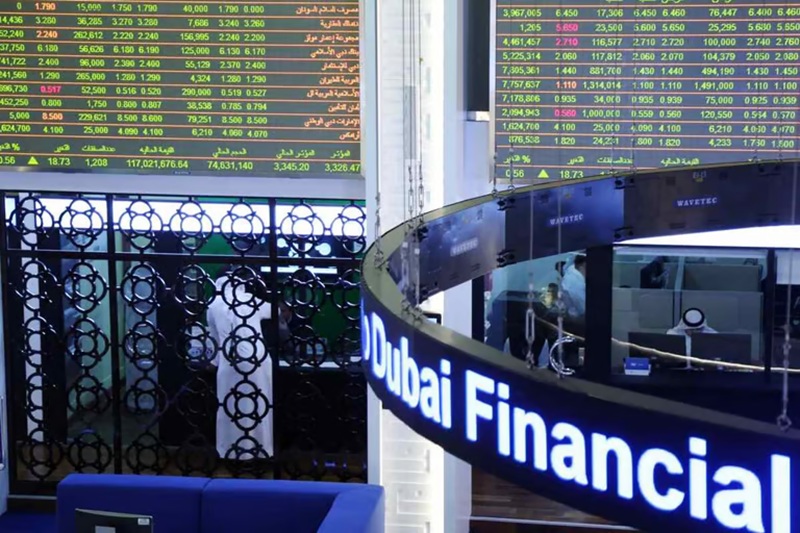
The United Arab Emirates (UAE) has suspended trading on its major stock exchanges amid escalating tensions from Iran’s retaliatory strikes. Trading resumed on Wednesday, March 4, 2026, but markets opened sharply lower as investors reacted to the geopolitical developments.
The UAE Capital Markets Authority announced that the Abu Dhabi Securities Exchange (ADX) and Dubai Financial Market (DFM) would remain closed on March 2 and March 3, 2026. This two-day halt follows Iran’s missile and drone attacks on targets in the UAE (including airports, ports, and residential areas in Abu Dhabi and Dubai), which came in response to prior U.S. and Israeli strikes on Iran.
The decision was made to maintain market stability, protect investors, and allow authorities to monitor the ongoing regional security situation. These exchanges host some of the Gulf’s most valuable listed companies, with billions in assets temporarily suspended.
This is a rare measure, signaling significant economic disruption in the region. Other Gulf markets, like Qatar’s, saw sharp declines on March 2, while oil prices surged due to fears over supply disruptions; potential issues in the Strait of Hormuz.
Register for Tekedia Mini-MBA edition 20 (June 8 – Sept 5, 2026).
Register for Tekedia AI in Business Masterclass.
Join Tekedia Capital Syndicate and co-invest in great global startups.
Register for Tekedia AI Lab.
Broader impacts include flight cancellations, travel chaos, and disruptions to services like Amazon Web Services in the UAE. The situation remains fluid, with authorities stating they will assess developments and take further steps if needed. Trading is expected to resume after March 3, barring additional escalations.
Saudi Arabia’s stock market (Tadawul) has not been suspended or closed amid the ongoing Iran conflict and strikes on the UAE, unlike the UAE’s exchanges (ADX and DFM), which remain shut through March 3, 2026. The Tadawul All Share Index (TASI) opened sharply lower, dropping as much as 4.6-4.8% intraday amid regional panic.
It pared losses significantly, closing down about 2.2%. This marked one of the largest single-day declines in recent months, reversing year-to-date gains at the time. Saudi Aramco; a major weight in the index rose ~3.4%, buoyed by surging oil prices, which helped limit the overall drop.

On Monday, trading continued normally on the Tadawul. The index showed resilience in a volatile session, finishing roughly flat; some reports note a marginal gain of ~0.13% or stability around 10,488-10,500 levels. Energy stocks, particularly Aramco, supported performance amid higher oil prices, while other sectors faced pressure.
The market’s relative stability reflects Saudi Arabia’s exposure to oil price upside; despite some reported minor drone incidents near facilities like Ras Tanura, which caused temporary shutdowns but limited damage. Oil prices have surged; up to 9-13% at peaks due to fears of Strait of Hormuz disruptions, benefiting Saudi energy stocks but pressuring others.
The DFM General Index (.DFMGI) fell approximately 4.7% — its largest single-day drop since May 2022 — in broad-based selling. Key decliners included blue-chip names like Emaar Properties (down ~4.9%), Emirates NBD, Air Arabia (down ~5%), and others in real estate, banking, and airlines.
The Abu Dhabi index also declined, closing down around 1.9–2% with early-session drops as high as 3.6%. On March 5, 2026, UAE equities extended losses amid ongoing regional conflict concerns. The DFM index traded down further around 2.2% in early/late reports, with similar pressure on major stocks like Emirates NBD, Emaar Properties, and others.

Temporary measures, such as a 5% lower price limit on securities, were implemented upon reopening to manage. The closure avoided panic selling during the height of the attacks, but reopening triggered sharp sell-offs as pent-up concerns hit. This reflects investor fears over prolonged instability, potential further disruptions, higher energy costs, and risks to UAE’s economy.
Escalating conflict has driven up global oil/gas prices, contributing to wider market declines in Europe and the US. UAE sectors like airlines and real estate face direct hits from reduced confidence and activity. This differs from standard holidays. No routine holiday applied in early March 2026.
The situation remains highly fluid—further escalations could increase volatility, but so far, Tadawul has avoided the full shutdown seen elsewhere in the Gulf. Trading is expected to continue barring major new developments.