

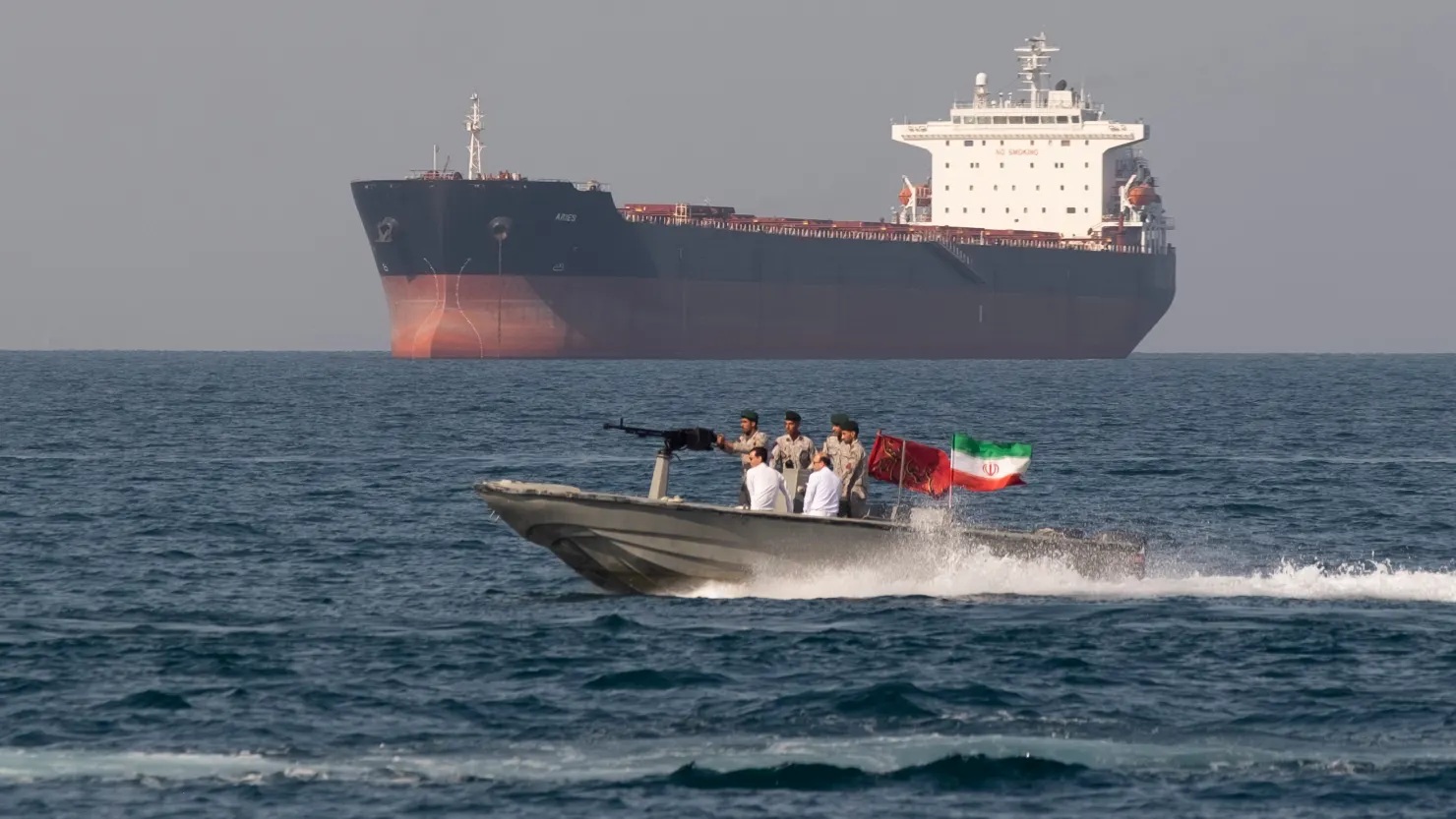
The fragile ceasefire between the United States and Iran has been thrown into uncertainty after three commercial vessels were attacked in the strategically vital Strait of Hormuz, prompting swift military retaliation from Washington.
The latest escalation marks one of the most dangerous developments in the Middle East in recent months, raising fears of a broader regional conflict while threatening one of the world’s most important maritime trade routes.
According to U.S. officials, Iranian forces allegedly targeted three commercial ships transiting the Strait of Hormuz over a two-day period. One tanker reportedly caught fire after being struck, while two additional vessels sustained damage but continued their voyages.
Although casualties were not immediately reported, the attacks sent shockwaves through global shipping markets and renewed concerns over the security of international energy supplies.
Register for the next Tekedia Mini-MBA.
Register for Tekedia AI in Business Masterclass.
Join Tekedia Capital Syndicate and co-invest in great global startups.
The Strait of Hormuz serves as a critical gateway for nearly one-fifth of the world’s oil and liquefied natural gas exports, making any disruption a matter of global economic significance.
In response, the United States launched a series of military strikes against Iranian targets. U.S. Central Command stated that the operation was designed to impose significant costs on those responsible for attacking civilian shipping in international waters.
The reported targets included Iranian military infrastructure associated with coastal defense, anti-ship missile systems, drone launch sites, and other strategic facilities believed to support maritime operations.

The military response came while President Donald Trump was attending a NATO summit in Europe, where security issues and allied defense cooperation were already central topics. Reports indicate that Trump authorized the strikes while abroad, demonstrating Washington’s willingness to respond rapidly despite the President’s overseas commitments.
The decision also reinforces the administration’s stance that attacks on international shipping lanes will not go unanswered. Iran, however, rejected the U.S. narrative, accusing Washington of violating previous agreements intended to reduce tensions in the Gulf.
Iranian officials argue that the United States breached commitments surrounding maritime security and regional negotiations.
The competing claims have further complicated diplomatic efforts aimed at restoring stability and reopening negotiations over broader security and nuclear issues. The economic consequences were immediate.

Shipping risk assessments for vessels operating in the Strait of Hormuz were raised sharply, insurance premiums increased, and oil prices climbed as traders priced in the possibility of prolonged disruptions.
Countries heavily dependent on Gulf energy exports are closely monitoring developments, while shipping companies may reconsider routes if hostilities continue. International leaders have urged restraint, warning that further military exchanges could destabilize the entire region.
Gulf states, European allies, and global energy markets all have significant interests in maintaining freedom of navigation through the Strait of Hormuz. Any sustained conflict could have far-reaching implications for inflation, energy security, and international trade.
As both nations exchange accusations and military actions, the situation remains highly volatile. Whether diplomacy can once again prevent a wider conflict remains uncertain.
What is clear is that renewed violence in one of the world’s most strategic waterways has once again demonstrated how quickly regional tensions can evolve into an international security and economic crisis, with consequences extending far beyond the Middle East.