

Iranian officials, including Foreign Minister Abbas Araghchi, have repeatedly denied requesting a ceasefire or direct negotiations, insisting instead on a permanent end to hostilities with guarantees against future attacks and compensation for damages.
These demands—drawn from Hebrew media reports and indirect talks via mediators—include security guarantees against future attacks, Iranian control or dominance over the Strait of Hormuz, closure of US military bases in the region, full financial reparations for damages, removal of sanctions, and elements like limits on missile programs or proxies in exchange for concessions.
The situation remains highly fluid: Iran denies seeking a temporary ceasefire or direct talks, insisting on a permanent end to hostilities with binding guarantees and compensation. The US under Trump claims “productive conversations” and has paused strikes on Iranian energy infrastructure for five days while extending deadlines for reopening the Strait of Hormuz.
Register for Tekedia Mini-MBA edition 20 (June 8 – Sept 5, 2026).
Register for Tekedia AI in Business Masterclass.
Join Tekedia Capital Syndicate and co-invest in great global startups.
Register for Tekedia AI Lab.
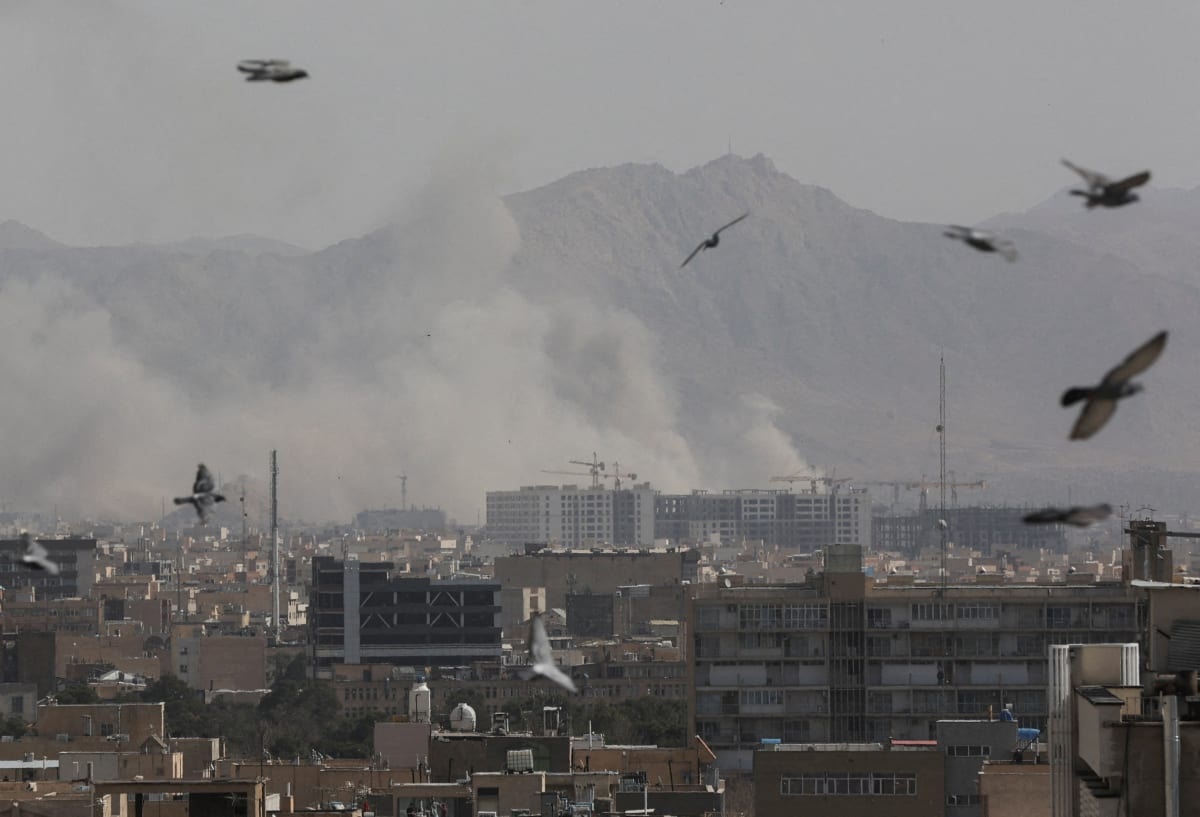
The situation involves US and Israeli military actions against Iran; targeting nuclear facilities, missiles, navy, and energy infrastructure, Iranian retaliation, and threats over the Strait of Hormuz (a critical oil chokepoint). President Trump has claimed “productive talks” and extended deadlines (e.g., a 5-day pause on striking power plants), while Iran calls these claims “fake news” and denies talks.
Tehran has rejected temporary pauses, demanding a comprehensive resolution. Some mediation attempts via Oman, etc. have stalled. A widely shared list (appearing in X posts and some outlets) attributes these conditions to Iran for a ceasefire and reopening the Strait of Hormuz: Close all US military bases in the Persian Gulf.
Pay full reparations for damaged Iranian infrastructure. Recognize Iran’s control over the Strait of Hormuz. Remove all secondary sanctions. Guarantee non-interference in Iran’s internal affairs. This list has gone viral but lacks direct attribution to official Iranian sources in mainstream reporting. Variations mention 6 conditions.
Other reports cite broader Iranian positions: security guarantees against future US/Israeli attacks, war reparations, and a permanent end to aggression (sometimes framed as 3 core demands). Iranian leaders have emphasized: No temporary ceasefire; they want a complete, lasting end to the war with binding guarantees it won’t resume.

Compensation (reparations) for damages from strikes. End to US/Israeli “aggression” and “war crimes.” Rejection of “surrender” or unilateral concessions while attacks continue. Some references to broader regional issues, but not always tied to a formal US ceasefire list. Iran has denied seeking negotiations while strikes persist and accused the US of spreading misinformation to influence markets.
Supreme Leader-related figures or advisors have taken hard lines, rejecting de-escalation without major US/Israeli concessions. Trump has outlined US objectives (degrading Iran’s missiles/nuclear program, protecting allies) and claimed alignment on many points, while threatening further strikes (e.g., on energy infrastructure) unless Iran reopens the Strait of Hormuz.
The US has not publicly accepted Iranian-style demands and continues operations alongside Israel. These “5 demands” appear to reflect reported Iranian hardline positions circulating online and in some summaries rather than a formal, verified release from Tehran.
The conflict remains fluid, with both sides posturing—US claiming progress/talks, Iran denying them and vowing to defend itself. Official channels (Iranian state media, US statements) focus more on guarantees, reparations, and ending strikes than a neat numbered list. Developments could shift quickly given the military escalation and diplomatic backchannels.

The situation risks broader regional impact (oil prices, Gulf stability).