

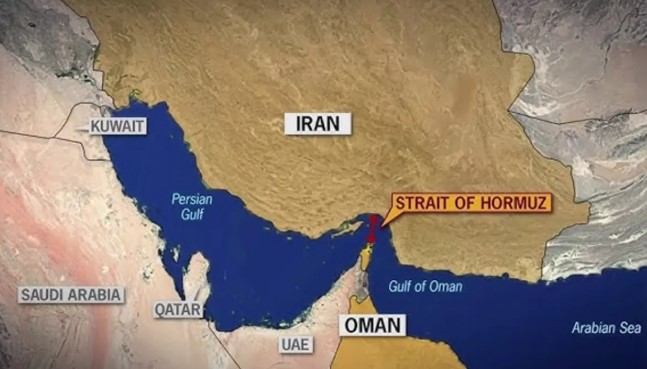
Iran is reportedly moving to formalize control over the Strait of Hormuz with proposed legislation to charge vessels for safe passage, a step that signals both a geopolitical escalation and a mounting fiscal strain from nearly a month of war.
According to state-aligned media, lawmakers are drafting a bill that would require ships transiting the narrow waterway to pay tolls in exchange for security guarantees. The proposal, expected to reach parliament within days, is being framed domestically as a way to institutionalize Iranian oversight of one of the world’s most critical energy corridors.
But behind the legal framing lies a more immediate pressure: money.
Register for Tekedia Mini-MBA edition 20 (June 8 – Sept 5, 2026).
Register for Tekedia AI in Business Masterclass.
Join Tekedia Capital Syndicate and co-invest in great global startups.
Register for Tekedia AI Lab.
Iran’s economy is absorbing the cost of sustained military operations, damage to infrastructure, and the disruption of trade flows. Analysts say the push to monetize passage through Hormuz is widely understood as an attempt to recoup war-related losses and stabilize strained state finances at a time when conventional revenue streams are under pressure.
Traffic through the strait has effectively collapsed since hostilities began, with tanker movements dropping to near zero as attacks, mines, and insurance withdrawals made passage untenable for most operators. The U.S.’ call to allies to support its attempt to enforce free passage through the strait has failed.
That disruption has removed millions of barrels from the global market and triggered one of the sharpest energy shocks in recent years. Roughly a fifth of the world’s oil supply normally flows through the chokepoint, making even partial restrictions enough to jolt prices and supply chains.

Crude prices have surged well into triple digits, with ripple effects spreading across shipping, aviation, and food markets. The broader economic fallout is already being felt far beyond the Gulf, with rising fuel costs feeding into inflation and industrial input prices across multiple regions.
Against that backdrop, Tehran’s proposal can be read as an attempt to convert geopolitical leverage into direct revenue. By offering “secure passage” for a fee, Iran would effectively commercialize the very risk it has helped create—turning a military chokepoint into a financial instrument.
There are indications this may already be happening informally. Market participants have reported instances of vessels paying large sums to navigate the strait under heightened risk, though such claims remain difficult to independently verify. The proposed legislation would bring these arrangements into the open, providing them with legal and political cover.

Even so, the plan faces formidable resistance. Gulf producers, whose economies depend on uninterrupted exports, are unlikely to accept any framework that places transit under unilateral Iranian control. Regional officials have already warned that any attempt to restrict or monetize access could trigger a broader confrontation over freedom of navigation.
Energy executives have been more direct in their assessment. The head of Abu Dhabi’s national oil company described any curbs on Hormuz traffic as “economic terrorism,” warning that the consequences would be felt globally through higher fuel, food, and consumer prices.
There are also legal constraints. The strait has long been governed by international maritime norms that guarantee transit rights, limiting the ability of any single state to impose tolls or conditions without provoking a coordinated response.
Yet Iran’s calculus may be shifting under the weight of war. With infrastructure damaged, exports constrained, and fiscal buffers thinning, the incentive to extract value from its geographic position has grown stronger.
The risk for global markets is that what begins as a revenue measure could entrench a new layer of instability. Even the perception of restricted access to Hormuz has historically been enough to drive sharp price swings. A formal toll regime, particularly one enforced under wartime conditions, would introduce a persistent risk premium into energy markets.
Currently, the proposal remains at the drafting stage. But its implications are already clear. The Strait of Hormuz is no longer just a strategic lever in a regional conflict; it is becoming a financial one. And as the war drags on, the cost of passage, whether measured in dollars or disruption, appears set to rise.