

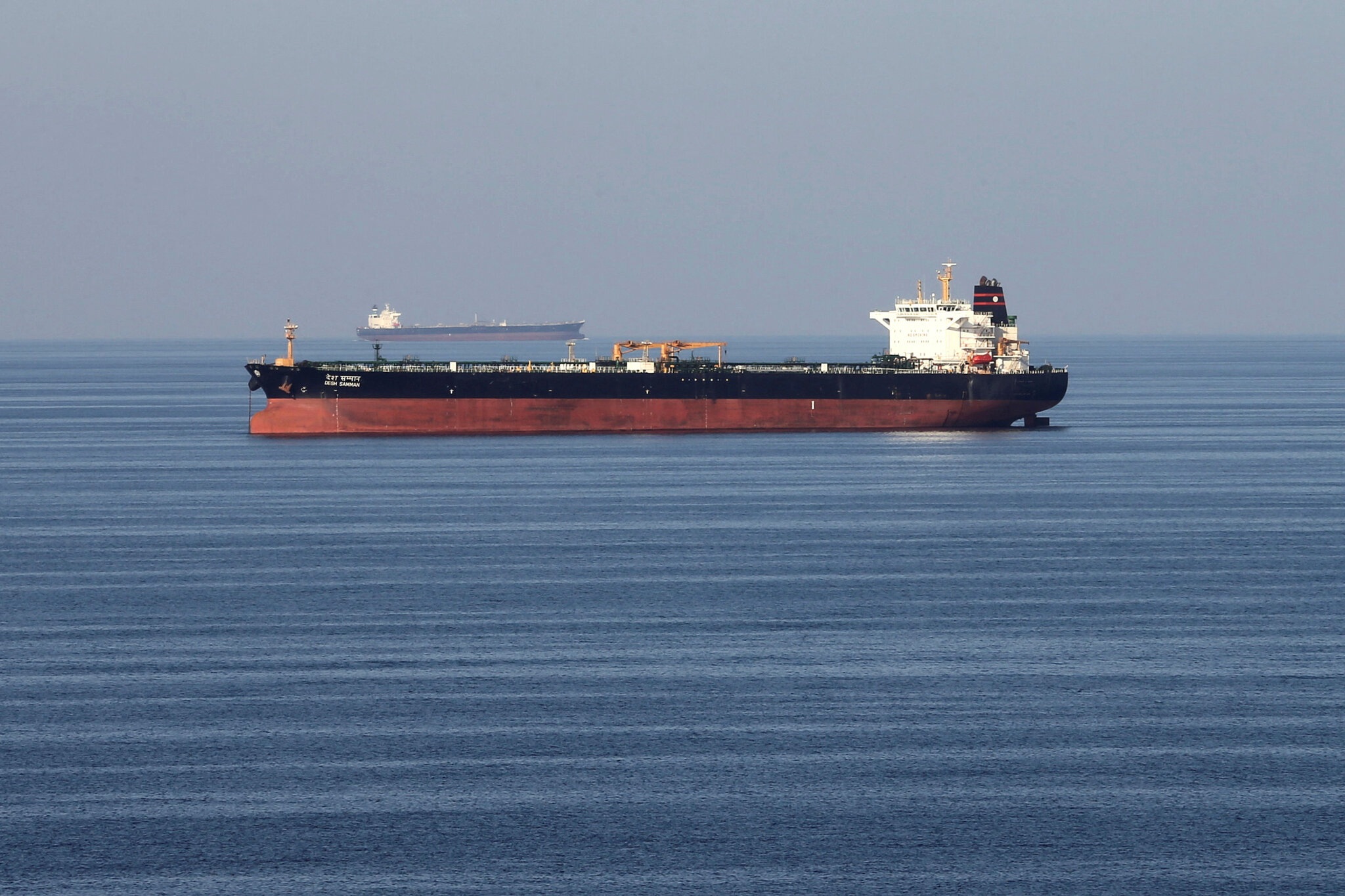
Iranian authorities seized a foreign-flagged oil tanker in the Gulf of Oman, accusing it of transporting 6 million liters approximately 1.585 million gallons of smuggled diesel fuel. Iranian state media, including IRIB and Fars News Agency, reported the operation, describing the fuel as contraband.
6 million liters of alleged smuggled diesel. Reports vary slightly, but sources indicate around 17–18 crew members, primarily from India, Sri Lanka, and Bangladesh, who have been detained. The tanker’s name and exact nationality were not disclosed in initial state media reports.
Combating fuel smuggling, which is rampant due to Iran’s heavily subsidized domestic fuel prices among the world’s lowest and the devalued rial, making exports to neighboring countries or Gulf states highly profitable.
Register for Tekedia Mini-MBA edition 20 (June 8 – Sept 5, 2026).
Register for Tekedia AI in Business Masterclass.
Join Tekedia Capital Syndicate and co-invest in great global startups.
Register for Tekedia AI Lab.
Iran frequently conducts such operations in the Persian Gulf and Gulf of Oman to curb organized fuel smuggling by sea and land. Similar seizures have occurred throughout 2025, often involving smaller volumes or different vessels.
This seizure occurred shortly after a U.S. operation seizing a tanker off Venezuela accused of transporting sanctioned oil linked to Iran and Venezuela. Some outlets have speculated on a possible retaliatory motive, though Iranian reports frame it purely as an anti-smuggling action.
The incident highlights ongoing tensions in key maritime routes, where Iran has a history of intercepting vessels for alleged violations.
Iran’s fuel smuggling economy is a massive illicit trade driven primarily by the country’s heavily subsidized domestic fuel prices, which create enormous profit opportunities when fuel is exported to neighboring countries or sold on international markets.

This phenomenon drains billions from Iran’s state budget annually, exacerbates domestic shortages, and involves organized networks, including allegations of involvement by powerful entities like the Islamic Revolutionary Guard Corps (IRGC).
Massive Price Disparities from Subsidies
Iran maintains some of the world’s lowest fuel prices through government subsidies, a policy dating back decades to support domestic consumption and social stability.

As of 2025, gasoline is often around $0.02–$0.04 per liter for subsidized quotas (e.g., 60 liters/month at ~15,000 rials/liter). Diesel is typically $0.07–$0.12 per liter— two-tier system, up to ~6,000 rials/liter. In contrast, neighboring countries charge market rates.
Pakistan/Afghanistan/Turkey/Iraq: Often $0.70–$1.00+ per liter. This gap allows smugglers to buy fuel cheaply in Iran and resell it abroad for 10–20 times the cost, yielding huge profits with minimal risk. The devalued Iranian rial due to sanctions and inflation further widens this disparity, making Iranian fuel artificially cheap in dollar terms.
Daily volume estimates between 2024–2025 is ~20–30 million liters of fuel mostly diesel and gasoline, though some reports cite 12–50 million liters depending on the source and period. $3–5 billion in subsidized fuel diverted equivalent to a significant portion of the national energy subsidy budget, which exceeds $50 billion yearly in some estimates.
Up to $4 billion in revenue, with much of it “pure profit” after low acquisition costs. Smuggling accounts for 10–20% of Iran’s total refined fuel production, forcing the country, an oil exporter to import gasoline/diesel at higher global prices to meet domestic demand.
The majority, using tanker trucks, pickup vehicles, or even pipelines. To Pakistan, up to 35% of Pakistan’s diesel supply reportedly from Iran and Afghanistan— thousands of vehicles cross daily.
Organized networks: Involves border communities, syndicates, and allegations of corruption/collusion by officials or IRGC-linked groups, who control ports, borders, and distribution. Iran conducts frequent seizures by the IRGC Navy like the tankers with millions of liters of “smuggled” diesel intercepted in the Gulf of Oman/Persian Gulf.
Iran aims to combat “fuel mafia” and recover subsidized fuel. Reforms attempted: Rationing (e.g., monthly quotas), higher prices for excess use. Tech monitoring (IoT/AI tracking from refineries to stations). Partial subsidy cuts (e.g., on diesel for certain sectors).
However, efforts are hampered by corruption and alleged institutional involvement. Full subsidy removal risks protests as in 2019. Sanctions limiting infrastructure upgrades. Subsidies intended for citizens fund smuggling instead, contributing to shortages, blackouts, and inflation.
Spikes in consumption like 140+ million liters/day peaks in 2025 lead to rationing and imports costing billions. Fuels informal economies in neighbors but strains relations. Iran’s fuel smuggling is a symptom of distorted energy policies under sanctions and mismanagement.
While profitable for smugglers, it costs the state dearly and perpetuates a cycle of inefficiency and illicit trade. Recent anti-smuggling operations highlight ongoing efforts, but structural reforms remain elusive due to economic and political risks.