

The conflict in the Middle East has triggered the largest disruption in the history of global oil and gas trade and could accelerate a shift away from imported fossil fuels, potentially reducing global oil demand by 4.4 million barrels per day by 2035, according to the International Energy Agency (IEA).
In its World Energy Outlook 2026, released on Thursday, the Paris-based agency said the disruption to energy shipments through the Strait of Hormuz could prompt governments to expand electrification, improve energy efficiency and reduce their exposure to imported oil and gas.
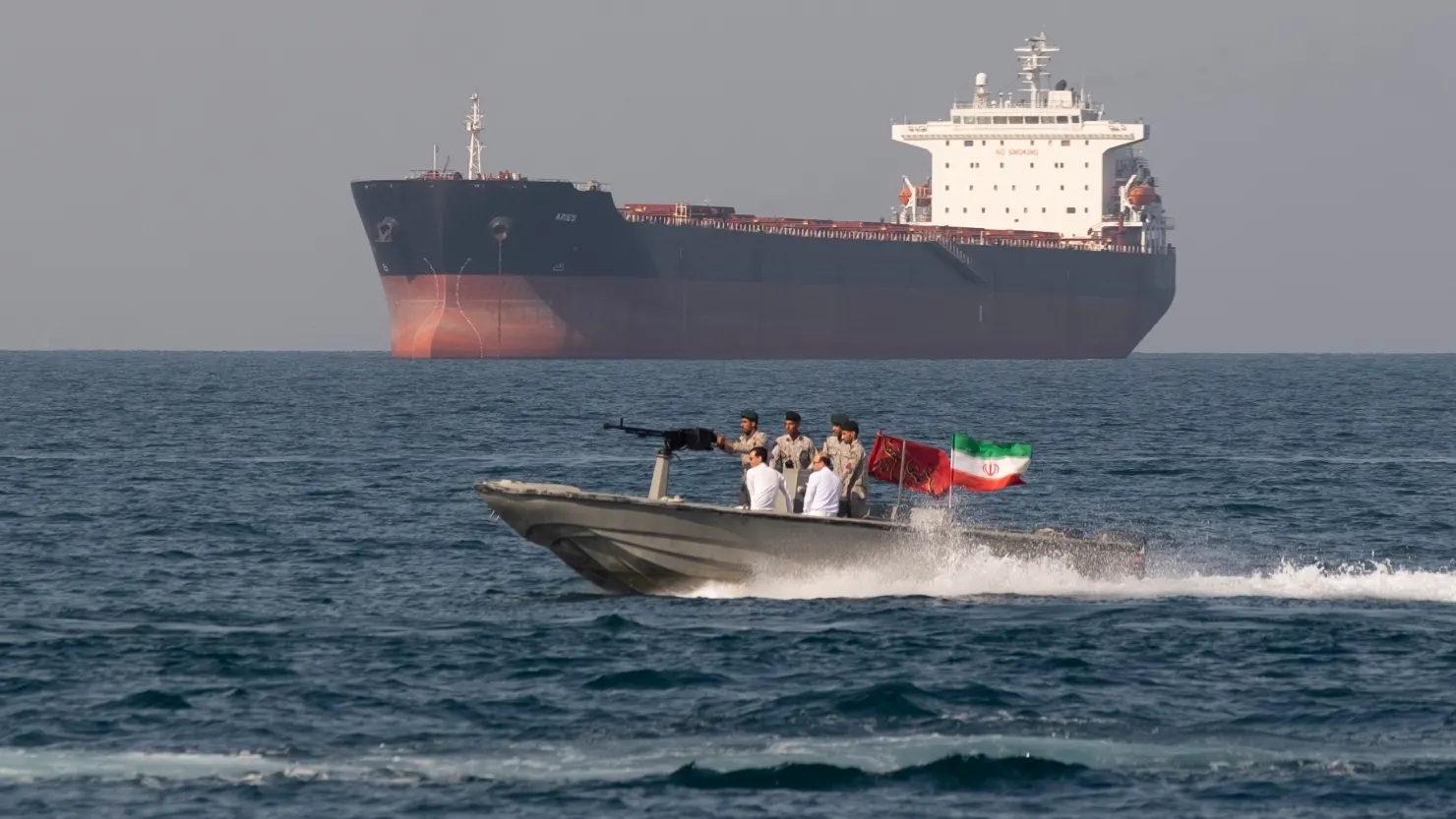
The waterway, which normally handles about a fifth of global oil and liquefied natural gas supplies, has become a major pressure point in the conflict. Restrictions on shipping through the strait have disrupted Gulf exports and intensified concerns about the security of global energy supplies.
Register for the next Tekedia Mini-MBA.
Register for Tekedia AI in Business Masterclass.
Join Tekedia Capital Syndicate and co-invest in great global startups.
IEA Executive Director Fatih Birol said the consequences could permanently alter the direction of global energy markets.
“In my view, the energy world will never be the same again as it was before the Iran war,” Birol said in an interview accompanying the report’s release.
The agency estimated that the conflict has resulted in cumulative losses of 2.8 billion barrels of oil and 60 billion cubic meters of gas supplies from the Gulf. The scale of the disruption has raised the possibility that governments will treat energy security as a reason to accelerate domestic electricity generation and reduce reliance on imported fossil fuels.

The outlook examines several possible paths for global energy consumption based on existing and proposed government policies. This year’s edition also introduces an Additional Response Case (ARC), which considers how governments and markets might react to a prolonged disruption in the Strait of Hormuz.
Under this scenario, oil demand in 2035 would be 4.4 million barrels per day lower than projected under the IEA’s Stated Policies Scenario (STEPS), which is based on governments’ current policy intentions.
Electric vehicles would account for a substantial part of the reduction, displacing more than 11 million barrels per day of oil demand by 2035 under the ARC scenario.

Global oil consumption would fall to 97 million barrels per day in 2035 and 85 million barrels per day by 2050 under ARC. Under STEPS, demand would remain above 101 million barrels per day in 2035.
The shift would also affect natural gas consumption. The IEA projects that gas demand under ARC would be more than 300 billion cubic meters lower than under STEPS.
These figures represent a possible response to prolonged energy disruption, rather than the agency’s central forecast. The difference between the scenarios shows how strongly government decisions on transport, electricity and industrial energy use could influence future fossil fuel consumption.
Energy Security Strengthens The Case for Electrification
The IEA said electrification is becoming cost-competitive across significant parts of transport, heating and industry. However, inadequate electricity grids, limited charging infrastructure and insufficient power supplies could slow the transition.
For governments exposed to disruptions in imported fuel supplies, expanding domestic electricity production offers an alternative to relying on international energy markets.
“Many countries are seeing electrification as a policy option for energy security. Instead of importing energy, they decided to build energy at home,” Birol said.
Under STEPS, electricity is projected to account for nearly 30% of global final energy consumption, compared with about 23% currently. The increase is expected as transport, heating and parts of industry move away from direct fossil fuel use.
The conflict has added an immediate security argument to a transition already being driven by technology costs and changing patterns of energy consumption. However, the pace of that shift will depend partly on governments’ ability to build the infrastructure needed to support higher electricity use.
Electric vehicles illustrate the potential scale of the change. Their projected displacement of more than 11 million barrels per day under ARC indicates how transport electrification could reduce exposure to oil supply disruptions. But the expansion of charging networks and reliable electricity supplies remains necessary to support wider adoption.
The report also identified changing patterns of electricity consumption, particularly the growing use of air conditioning, as a significant factor in the global energy outlook.
Alongside data centers, demand for cooling is emerging as one of the strongest drivers of electricity consumption. For the first time, the IEA said, demand for cooling in buildings has exceeded demand for heating.
Higher temperatures and rising incomes are contributing to the rapid growth in air-conditioner use, adding pressure to electricity systems as households and businesses seek to manage hotter conditions.
This has created a challenge for governments pursuing electrification. Moving transport, heating and industrial processes away from fossil fuels can reduce direct oil and gas consumption, but it also increases the amount of electricity required across the economy. Rising cooling demand adds another source of pressure.
The IEA’s projections therefore point to two connected developments: the Middle East conflict is exposing the risks of dependence on concentrated fossil fuel supply routes, while electrification is expanding the role of electricity in meeting global energy needs.
The extent to which the disruption produces a lasting reduction in oil and gas demand will be determined by how quickly governments respond. The ARC scenario sets out the potential scale of that response, with lower oil and gas consumption by 2035 and a much larger role for electricity in the global energy system.