

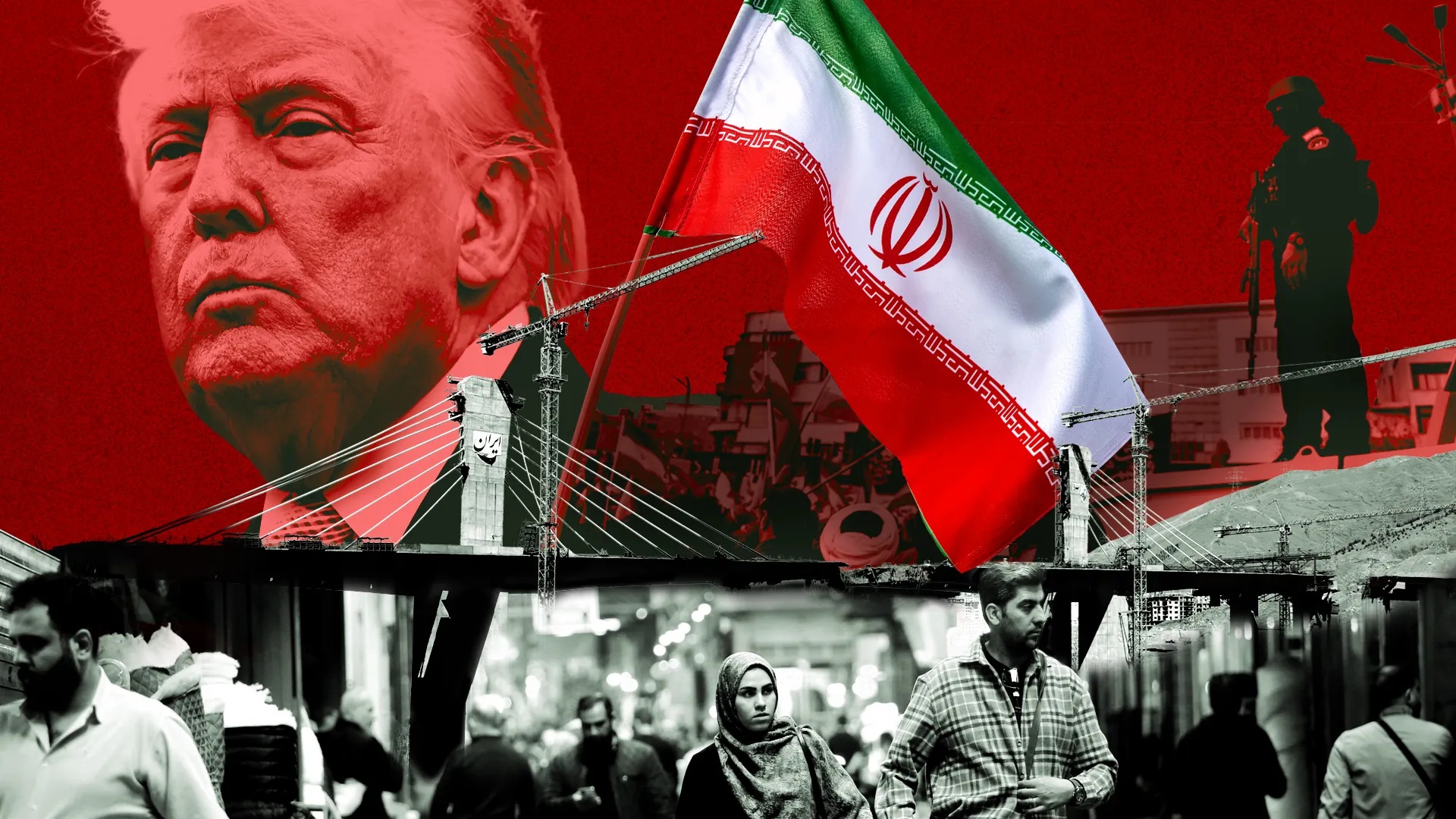
Tensions between the United States and Iran are entering another dangerous phase as Washington prepares to unveil what Treasury Secretary Scott Bessent has described as the “toughest sanctions in history” against Tehran.
Iran, already under severe economic and military pressure, has responded with a stark warning that any new escalation will trigger a “devastating” response, raising fears that an economic confrontation could once again spill into the military and geopolitical arena.
The latest confrontation comes after months of conflict, economic disruption and failed attempts to establish a durable ceasefire.
Washington has indicated that its next measures will go beyond traditional sanctions against Iranian entities, potentially targeting countries, companies and financial institutions that continue to maintain significant commercial relationships with Tehran.
Register for the next Tekedia Mini-MBA.
Register for Tekedia AI in Business Masterclass.
Join Tekedia Capital Syndicate and co-invest in great global startups.
China is particularly exposed because it purchases more than 80% of Iran’s shipped oil, according to data cited by Reuters. For Washington, the strategy is increasingly centered on economic isolation.
The Trump administration has presented sanctions and restrictions as a mechanism for forcing Tehran toward concessions, particularly over the broader conflict and the strategically critical Strait of Hormuz.
Bessent has characterized the approach as a combination of economic pressure and blockade, arguing that the objective is to deprive the Iranian government of the resources needed to sustain its position.

Iran, however, appears unwilling to accept the pressure without resistance. Iranian military leadership has warned that any new threats could produce responses across multiple domains, including land, air, sea and cyberspace.
Such language is significant because Tehran possesses several potential avenues for retaliation, particularly around regional shipping routes and critical infrastructure.
The Strait of Hormuz remains the most immediate source of concern for global markets. The waterway traditionally carries roughly one-fifth of globally traded oil, making any sustained disruption capable of affecting energy prices, inflation expectations and economic growth far beyond the Middle East.

Recent restrictions have already severely reduced shipping activity, adding another layer of uncertainty to an energy market that is highly sensitive to geopolitical shocks.
The economic consequences inside Iran are also becoming increasingly severe. Sanctions, restricted oil exports and broader wartime disruption have contributed to inflation, currency weakness and declining economic activity.
Reports indicate that Iranian households are struggling with rising prices and deteriorating purchasing power, demonstrating how geopolitical confrontation can translate into immediate pressure on ordinary citizens.
Yet the effectiveness of maximum economic pressure remains uncertain. Iran has spent decades developing mechanisms for circumventing sanctions, including informal trading networks and alternative financial channels.
China and other regional trading partners could also resist Washington’s demands, creating a secondary confrontation over the enforcement of U.S. financial power. Beijing has already criticized sanctions and pressure as an ineffective solution to the conflict.
The central danger is therefore escalation without a clear exit strategy. If Washington expands sanctions against Iran’s trading partners while Tehran responds through military, cyber or maritime measures, the confrontation could widen rapidly.
Energy markets would likely be among the first to react, but the consequences could extend to global inflation, shipping costs, financial markets and diplomatic relations.
For now, both sides continue to signal strength while diplomatic efforts remain fragile.
The coming sanctions announcement could determine whether the conflict moves toward negotiations or another cycle of confrontation. Iran’s devastating warning makes clear that Tehran does not intend to absorb unlimited pressure quietly.
Washington, meanwhile, is betting that unprecedented economic pressure can achieve what previous measures have failed to accomplish. The outcome will depend on whether sanctions become leverage for diplomacy or another catalyst for escalation.
With the Strait of Hormuz already under strain and global energy markets watching closely, the stakes extend far beyond Washington and Tehran.