

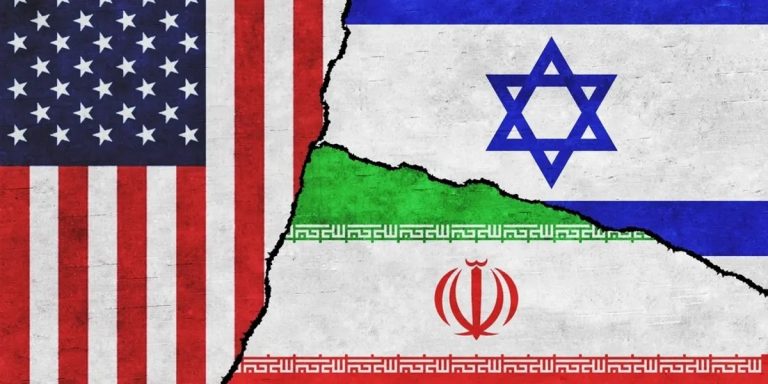
The release of a United States citizen by Iran has introduced a rare moment of diplomatic optimism amid years of hostility between Tehran and Washington. U.S. President Donald Trump described the move as a goodwill gesture, signaling that even in periods of deep geopolitical tension, humanitarian actions can create opportunities for dialogue and de-escalation.
Relations between the United States and Iran have been marked by decades of mistrust, sanctions, military confrontations, and political disputes. Since the 1979 Iranian Revolution and the subsequent hostage crisis, both nations have struggled to establish stable diplomatic engagement.
Issues surrounding Iran’s nuclear ambitions, regional influence, and U.S. sanctions have repeatedly fueled tensions. Against this backdrop, the release of an American citizen carries significance that extends far beyond the fate of a single individual.
Trump’s characterization of the release as a goodwill gesture reflects the diplomatic importance of humanitarian actions in international relations.
Register for the next Tekedia Mini-MBA.
Register for Tekedia AI in Business Masterclass.
Join Tekedia Capital Syndicate and co-invest in great global startups.
Prisoner releases often serve as confidence-building measures, providing a channel through which adversarial states can test the possibility of broader negotiations. Such actions can reduce tensions, open communication lines, and potentially pave the way for discussions on more contentious issues.
The timing of the release is particularly notable given the fragile state of Middle Eastern geopolitics. The region has experienced heightened instability due to ongoing conflicts, concerns over maritime security, and disputes involving major global powers.
Any indication of reduced hostility between Washington and Tehran could have significant implications for regional security, energy markets, and global economic stability.
The safe return of its citizen is a humanitarian success and a demonstration of continued efforts to protect Americans abroad. U.S. administrations, regardless of political affiliation, have consistently prioritized the release of detained citizens in foreign countries.

Such cases often become focal points in diplomatic engagements, emphasizing the human dimension of international relations. For Iran, the decision may be intended to send a message of openness or strategic flexibility.
Tehran has previously used prisoner exchanges and humanitarian gestures to improve its international image, ease diplomatic pressure, or encourage reciprocal actions from Western governments.
By releasing an American citizen, Iranian authorities may be seeking to create a more favorable environment for future negotiations, particularly concerning sanctions relief or regional security discussions.

Trump’s response also underscores the political significance of the event. By framing the release positively, he highlights the possibility that diplomatic engagement, even among adversaries, can yield constructive outcomes.
Such rhetoric may encourage policymakers and international observers to view the development as an opportunity rather than an isolated incident. Experts caution against interpreting the release as a definitive sign of a broader rapprochement between the two countries.
The fundamental disagreements between Washington and Tehran remain unresolved. Questions surrounding Iran’s nuclear program, regional activities, and economic sanctions continue to present major obstacles to lasting diplomatic progress.
Symbolic actions often play an important role in international affairs. History has shown that small humanitarian steps can sometimes lead to larger diplomatic breakthroughs.
The release of a U.S. citizen by Iran may not immediately transform bilateral relations, but it demonstrates that channels of communication remain open even during periods of profound disagreement.
As global attention focuses on developments in the Middle East, this humanitarian gesture offers a reminder that diplomacy remains an essential tool in managing international conflicts.
Whether this event becomes the foundation for broader engagement or remains a singular act of goodwill will depend on the willingness of both nations to pursue further dialogue and confidence-building measures in the months ahead.