

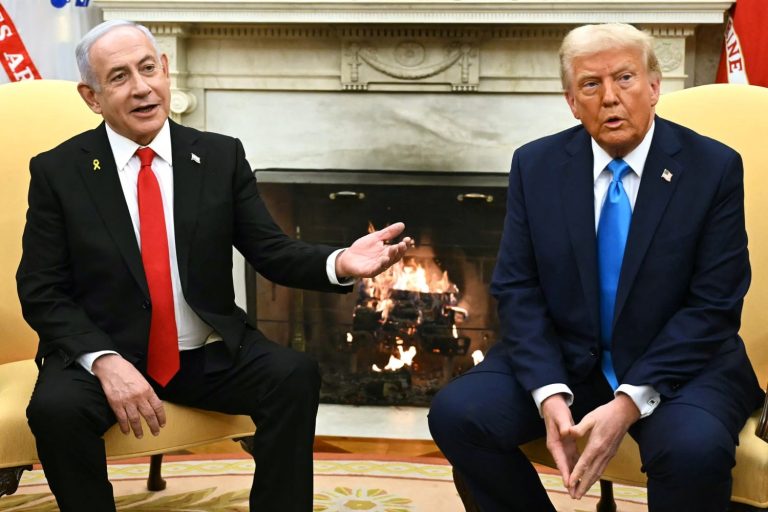
U.S. President Donald Trump is pushing for a negotiated end to hostilities with Iran, a move that has briefly steadied global markets and halted the rapid climb in oil prices, even as doubts persist among key allies about whether diplomacy can succeed.
Three senior Israeli officials told Reuters on Tuesday that Trump is intent on securing a deal with Tehran, viewing recent military pressure as leverage to force concessions. Yet, speaking on condition of anonymity, they warned that the likelihood of Iran accepting U.S. demands remains low, particularly on core issues such as its nuclear programme and ballistic missile development.
The renewed diplomatic push follows a sharp escalation that began when talks collapsed on February 28 and gave way to direct military confrontation involving U.S. and Israeli forces. Since then, the conflict has sent shockwaves through global energy markets, driving crude prices sharply higher and reigniting inflation concerns across major economies.
Register for Tekedia Mini-MBA edition 20 (June 8 – Sept 5, 2026).
Register for Tekedia AI in Business Masterclass.
Join Tekedia Capital Syndicate and co-invest in great global startups.
Register for Tekedia AI Lab.
In recent days, however, the prospect—however tentative—of a diplomatic opening has interrupted that trajectory. Trump said on Monday that Washington and Tehran had engaged in “very good and productive” discussions aimed at a “complete and total resolution of hostilities in the Middle East.” He added that and that he had ordered a five-day pause on planned strikes against Iran’s energy infrastructure. The remarks helped cool immediate fears of further escalation, prompting a pullback in oil prices and offering brief relief to equity markets that had been under sustained pressure.
That relief has proven fragile. Iran swiftly denied that any talks had taken place, exposing a disconnect that continues to unsettle investors and policymakers alike. The absence of a confirmed negotiating channel has left markets trading on rhetoric rather than verifiable progress, amplifying volatility across asset classes.
Israeli Prime Minister Benjamin Netanyahu indicated that Trump’s approach is rooted in converting battlefield gains into diplomatic outcomes. He said the U.S. president believes there is scope for “leveraging the mighty achievements obtained by the IDF and the U.S. military, in order to realize the goals of the war in a deal—a deal that will preserve our vital interests.”

The conflict, which has centered attention on the Strait of Hormuz, a critical artery for global oil flows, has brought turmoil to the energy market. Even the threat of disruption has been enough to inject a significant risk premium into crude prices, with traders pricing in scenarios ranging from temporary supply interruptions to prolonged outages. The recent moderation in prices reflects not an improvement in fundamentals, but a recalibration of worst-case expectations tied to the possibility of de-escalation.
That recalibration has also filtered into broader financial markets. Equity investors, who had been rattled by the inflationary implications of higher energy costs, responded to Trump’s comments with a short-lived rally. Lower oil prices ease pressure on central banks, particularly the Federal Reserve, which has been navigating a delicate balance between containing inflation and supporting growth. Any sustained rise in crude would complicate that task by feeding directly into transport, manufacturing, and consumer prices.
The current pause in oil’s ascent, therefore, represents more than a market adjustment—it is a signal of how closely tied global financial stability has become to geopolitical outcomes. A credible path to peace could stabilize energy markets, anchor inflation expectations, and reopen the door to monetary easing that investors had begun to price out.

The reverse scenario carries far heavier consequences. Should diplomatic efforts collapse, markets would likely be forced to reprice risk abruptly. A renewed escalation, particularly one that disrupts oil flows or damages infrastructure, is expected to send crude prices sharply higher, intensify inflationary pressures, and trigger a broader sell-off in equities. For central banks, it would narrow policy options, raising the prospect of prolonged high interest rates even as growth slows.
Economists have also warned that emerging and import-dependent economies would be especially exposed. Higher fuel costs would strain fiscal balances, weaken currencies, and push up the cost of living, amplifying existing economic vulnerabilities. For oil-exporting nations, the windfall from higher prices could be offset by instability and demand destruction if global growth falters.
Currently, what is unfolding is a market caught between two competing narratives: one of de-escalation, anchored in political signaling, and another of entrenched conflict, grounded in unresolved strategic differences. The gap between those narratives has created a fragile equilibrium, where prices and sentiment shift rapidly with each new statement from Washington, Tehran, or Jerusalem.
The mere prospect of dialogue has been enough to pause the upward march of oil and steady risk assets, at least for now. However, given how unstable the events have been, that pause may prove temporary without a consensus. And in a market already primed for volatility, the failure of this diplomatic push would not simply revive earlier fears—it would deepen them. This would send fresh shockwaves through an already strained global economy.