

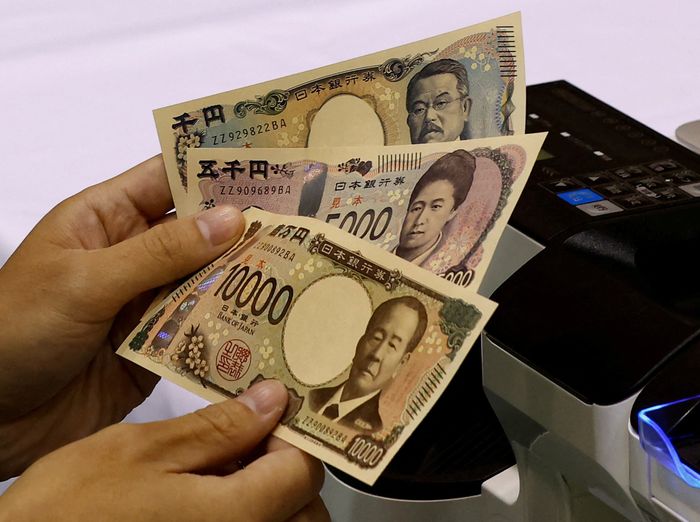
Japanese officials are moving away from their longstanding practice of publicly signaling intervention risks, adopting a more aggressive and unpredictable approach to catch yen speculators off guard and raise the costs of betting against the currency, according to sources cited by Reuters.
Departing from the carefully calibrated warnings that preceded previous interventions, the Ministry of Finance could now step in abruptly to disrupt speculative short-yen positions, the sources said. Officials are also avoiding any mention of specific exchange-rate levels that might trigger action, keeping markets guessing about when and where they might act.
This change in tactics reflects a more assertive stance by the Ministry of Finance, which is increasingly using silence as a deliberate policy tool. It raises the possibility of surprise interventions triggered by the buildup of speculative bets rather than by the yen crossing a publicly known threshold, the sources added.
Register for the next Tekedia Mini-MBA.
Register for Tekedia AI in Business Masterclass.
Join Tekedia Capital Syndicate and co-invest in great global startups.
The Ministry of Finance’s evolving approach, combined with the Bank of Japan’s continued hawkish rhetoric, points to a coordinated effort to discourage yen bears, according to two other sources. All spoke on condition of anonymity due to the sensitivity of the matter.
Even after raising rates last month, the Bank of Japan has intensified its warnings about the inflationary impact of a weak yen as the currency continued sliding toward four-decade lows. It fetched 162.50 per dollar in midday trading in Tokyo on Thursday after hitting 162.66 on Tuesday.
“Currency moves are among key factors affecting Japan’s economy and inflation,” BOJ Deputy Governor Ryozo Himino said in June, adding that rising import costs from a weak yen may boost underlying inflation — a warning echoed by other board members.

Japan spent a record 11.7 trillion yen ($72 billion) intervening in foreign exchange markets between late April and early May. But the temporary boost to the yen was quickly erased as the currency resumed its downtrend. The intervention had been well-telegraphed in advance by Ministry of Finance officials, giving traders time to unwind positions and limit losses.
Future interventions would aim to eliminate such opportunities, increasing uncertainty and the risks associated with shorting the yen. This suggests authorities see clear advantages in maintaining a lower public profile.
“The timing of intervention is difficult. The purpose would be to hit speculators hard so if needed, authorities will step in,” said one of the sources, a view echoed by another. “It’s not about yen levels” but more about how best to prevent excessive falls in the currency, the first source added.

Coordinated Effort Between MOF and BOJ
The decision on when to intervene rests with Japan’s top currency diplomat, Atsushi Mimura, who has refrained from issuing verbal warnings since the last operation. Finance Minister Satsuki Katayama also avoided escalating official rhetoric on Tuesday despite the yen’s slide to fresh lows, repeating only that Japan stood ready to “respond appropriately” to currency moves at any time.
Some within the government are hoping Thursday’s U.S. jobs data will temper market expectations of an early Federal Reserve rate hike. That, in turn, could slow the dollar’s recent strength and help stabilize the yen. If not, the likelihood of intervention could rise, the sources said.
“By refraining from commenting on the yen, Mimura is probably trying to make it harder for markets to gauge the next intervention timing,” said Rinto Maruyama, FX and rates strategist at SMBC Nikko Securities.
Another important factor is the stance of Japan’s G7 partners, particularly the United States, whose support is generally needed to justify intervention aimed at countering disorderly market conditions. U.S. Treasury Secretary Scott Bessent has signaled support for further Bank of Japan rate hikes while remaining silent on Japan’s latest yen intervention.
The slow pace of Bank of Japan rate increases has kept its policy rate at 1%, significantly below the Federal Reserve’s 3.50%-3.75%, maintaining a wide interest-rate differential that continues to encourage yen-selling. Hawkish commentary from the Fed has further bolstered the dollar.
Against this backdrop, Bank of Japan officials are expected to reinforce their commitment to additional rate hikes if economic conditions warrant. The central bank’s quarterly “tankan” survey on Wednesday showed business sentiment rising to its highest level in eight years and corporate inflation expectations reaching record highs, strengthening the case for further tightening.
“Japan’s policy rate remains low compared with that of other countries. The BOJ’s cooperation is necessary to stop the yen’s falls,” said Mari Iwashita, executive rates strategist at Nomura Securities.
A New Phase in Currency Management
Japan’s shift toward less predictable intervention tactics marks a departure from past practices and reflects frustration with the yen’s persistent weakness despite earlier efforts. By keeping markets uncertain about timing and thresholds, authorities hope to raise the costs and risks of speculative positioning.
The coordinated signals from the Ministry of Finance and the Bank of Japan suggest a more unified approach to supporting the currency. While the central bank focuses on domestic policy settings and inflation risks, the finance ministry retains primary responsibility for foreign exchange operations.
Analysts say the effectiveness of this strategy will depend on several factors, including the scale of speculative positions, the willingness of G7 partners to support intervention, and the broader trajectory of U.S. monetary policy. For now, the combination of potential surprise interventions and the prospect of further rate hikes appears designed to make betting against the yen a more dangerous proposition.