

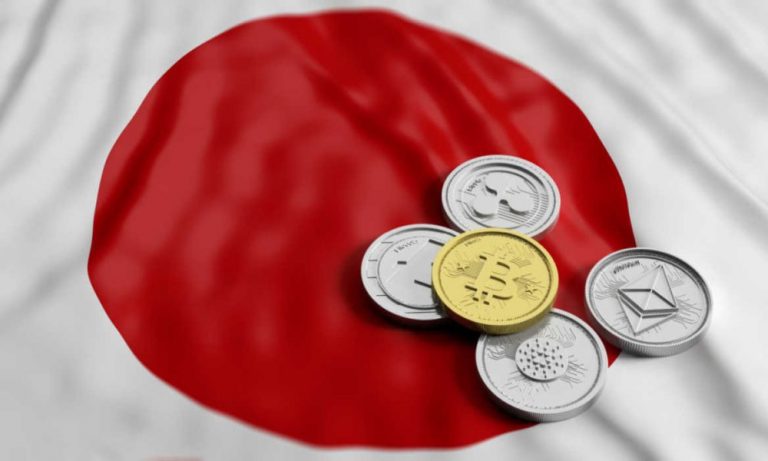
Japan has taken a decisive step toward mainstreaming cryptocurrency in a historic move set to reshape the global digital finance landscape.
The nation’s Cabinet has approved a landmark bill that formally recognizes cryptocurrencies as financial assets, under the Financial Instruments and Exchange Act (FIEA), signaling a major shift in how digital currencies are treated within one of the world’s most advanced economies.
This move shifts digital assets from their previous treatment primarily under the Payment Services Act (as payment tools) to a securities-style regulatory framework, aligning them more closely with traditional financial instruments like stocks and bonds.
Register for Tekedia Mini-MBA edition 20 (June 8 – Sept 5, 2026).
Register for Tekedia AI in Business Masterclass.
Join Tekedia Capital Syndicate and co-invest in great global startups.
Register for Tekedia AI Lab.
The announcement triggered immediate bullish sentiment across crypto communities. On X (formerly Twitter), users celebrated the news as a major step toward mainstream legitimacy in a G7 economy.
Reactions ranged from excitement about increased adoption to speculation about positive impacts on Bitcoin and altcoins. Some users noted the timing aligns with Japan’s ongoing efforts to position itself as a crypto-friendly hub in Asia, even as other regions grapple with regulatory uncertainty.
The approval introduces stricter, more structured oversight to enhance market integrity, investor protection, and long-term adoption.

Key provisions include;
- Mandatory annual information disclosures by issuers and platforms.
- A clear ban on insider trading using non-public information.
- Stronger rules against market manipulation and unfair trading practices.
- Alignment of crypto with existing financial regulations to facilitate institutional participation.
This reclassification reflects Japan’s evolving stance on digital assets. While the country has long been a crypto-friendly home to major exchanges like bitFlyer and SBI, and early adoption of Bitcoin, the new framework addresses rising retail participation, concerns over fraud, and the need for greater transparency as crypto markets mature.
It is worth noting that Japanese Gen Z stands out as the most scam-conscious generation when it comes to crypto. A survey of 1,486 people across Japan found that younger users are far more alert to fraudulent pitches on social media than their older peers.

The formal recognition of cryptocurrency as a financial asset in the country could be a game-changer for Gen Z, especially a generation already known for being highly alert to scams.
This move brings structure and protection to a space that has often felt risky and unregulated. With a clearer legal status, cryptocurrencies are more likely to be traded on regulated platforms that must follow stricter compliance rules, including identity verification and anti-fraud measures.
Why This Move Matters For Crypto
The global cryptocurrency industry has long operated in a space defined by rapid innovation but limited regulatory clarity. However, as more governments begin to formally recognize digital currencies as legitimate financial assets, the narrative is shifting.
Moves such as the recent policy direction in Japan highlight a growing consensus that crypto is no longer an experiment on the fringes, it has become an integral part of the modern financial system.
Treating crypto as a financial instrument is expected to:
Boost institutional confidence by providing clearer legal certainty.
Encourage product innovation, such as crypto-related derivatives and potentially ETFs in the future.
Outlook
Japan’s recognition of cryptocurrencies as financial assets, under the Financial Instruments and Exchange Act (FIEA), comes amid a global wave of crypto regulatory clarity, including efforts in the US and Europe.
For Japan, it signals a commitment to balancing innovation with robust safeguards—potentially paving the way for deeper integration of blockchain technology into its financial system.