

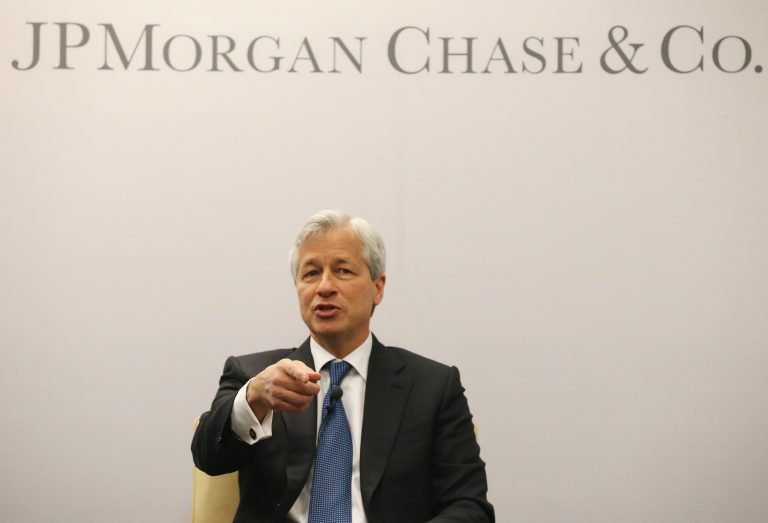
Major U.S. banks, JPMorgan Chase, Citigroup, Bank of America, and Wells Fargo, are collaborating on a shared tokenized deposit network set to launch in the first half of 2027.
The network which will operate on a blockchain infrastructure, will enable instant 24/7 settlement and programmable payments while keeping every dollar inside the regulated banking system.
The initiative, operated by The Clearing House a real-time payments company co-owned by these large commercial banks, represents a coordinated effort to compete with stablecoins and crypto-native payment solutions.
Register for the next Tekedia Mini-MBA.
Register for Tekedia AI in Business Masterclass.
Join Tekedia Capital Syndicate and co-invest in great global startups.
Many observers view the development as a validation of blockchain technology rather than a rejection of it. Commenters argue that after years of skepticism toward cryptocurrencies, traditional financial institutions are now embracing the underlying technology that powers digital assets.
For these individuals, the shift signals that the debate over whether blockchain has a place in finance has largely been settled. Others, however, see the initiative as an attempt by incumbent financial institutions to preserve control over the payments ecosystem.
They contend that while the banks are adopting blockchain infrastructure, they are doing so within a closed and highly regulated environment that keeps customers within the traditional banking system.

According to this view, the project is less about innovation and more about preventing deposits and payment activity from migrating to stablecoins and crypto-native platforms
Tokenized deposits are blockchain-based digital versions of traditional bank deposits. They maintain the regulatory protections and backing of conventional bank money while offering key advantages of distributed ledger technology, such as 24/7 instant settlement, programmability, and improved efficiency for treasury management, liquidity, and cross-border transactions.
The network will be available to banks across the United States. It aims to keep deposits within the regulated banking system as crypto companies push further into corporate finance and payments, especially under the current regulatory environment.

Some banks have informally referred to the project as “the bridge” or “the chain.” A blockchain technology vendor has not yet been selected.
This move is largely defensive. While some bank executives note that corporate clients are not yet demanding tokenized deposits en masse, institutions recognize the need to prepare for a future where on-chain finance becomes mainstream.
The Clearing House CEO described it as “a big move for the banks,” highlighting the radically changing landscape of payments and finance.
By building blockchain capabilities on their own terms, the banks seek to retain control over deposits and payment rails rather than cede ground to stablecoin issuers.
The platform is expected to appeal particularly to large multinational corporations seeking programmable treasury tools and real-time liquidity management.
This development underscores a broader trend of traditional finance integrating blockchain technology.
Rather than resisting innovation outright, major banks are adopting it to modernize infrastructure while preserving the strengths of the regulated banking system. The 2027 launch could mark a significant step toward mainstream tokenized bank money in the United States.
Outlook
The launch of the shared tokenized deposit network in 2027 could represent a pivotal moment in the evolution of banking and digital finance.
As stablecoins continue to gain traction among businesses seeking faster and more efficient payment solutions, traditional financial institutions are under increasing pressure to modernize their infrastructure while maintaining regulatory compliance.
If successfully implemented, the network could accelerate the adoption of tokenized bank money, providing corporations with seamless access to real-time settlements, programmable payments, and enhanced liquidity management.
It may also encourage more banks globally to explore similar blockchain-based deposit systems, potentially creating a new standard for institutional payments.