

Many companies today resemble the owners of old castles. Their walls are built solidly, but time is relentless: the bricks crack, the doors no longer close so tightly, and the costs of repairs increase every year. In the IT world, these walls are becoming outdated systems: Ubuntu 16.04, Oracle DB 11g, VMware vSphere 6.7, and others.
Once they were the foundation of the business, guaranteed stability and productivity. But today their life cycle is coming to an end: manufacturers are ending support, security patches are no longer released, and the cost of maintenance is only increasing.
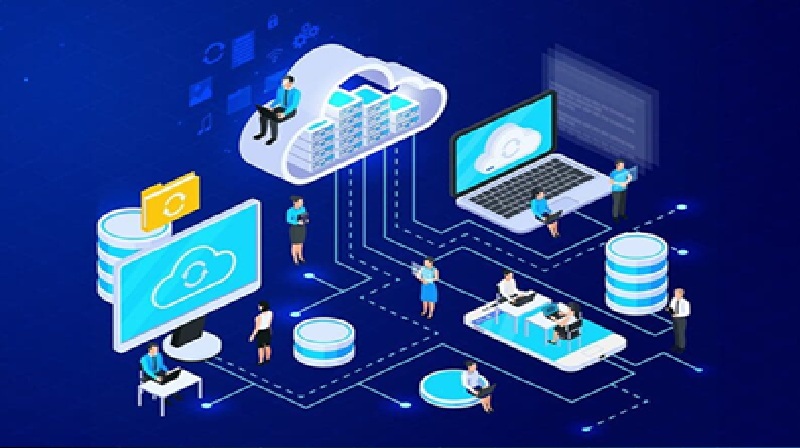
This is where the concept of Legacy Revolution comes into play — the process when, with the help of cloud migration services old technologies are transformed into modern business assets. This is not just a technical operation, but a strategic step that opens the door to the future for companies.
The Cloud as a New World for Business
Moving to the cloud is like moving from a medieval castle to a modern city. Where each tower and wall used to require separate maintenance, today the infrastructure is scalable, automated, and managed.
Cloud migration services enable companies to:
- reduce costs with a pay-as-you-go model;
- ensure business continuity through high availability and redundancy;
- integrate DevOps practices, CI/CD, and automatic updates;
- improve security and compliance.
But the path to this world is not easy. It requires a plan, experience, and a trusted guide.
How a migration strategy is born
The journey to the cloud begins with a dialogue:
- The company assesses what exactly works in the old environment: which OS versions, which databases, which integrations.
- Do you need speed of scaling, is it more important to optimize costs, or does the business seek greater flexibility?
- The choice between approaches.
- Rehost (lift-and-shift). Fast migration as is.
- Minimal changes to work in the cloud.
- Refactor/Rebuild. Complete modernization with the transition to a cloud-native architecture.
The choice depends on the company’s strategy: sometimes it is enough to migrate VMware to the cloud without changes, sometimes it is necessary to rebuild the entire business logic for microservices.
Challenges to overcome
Migrating an old stack is always a challenge.
- Outdated software: Ubuntu 16.04 and Oracle DB 11g are no longer supported, which creates security risks.
- Dependencies: One system can be integrated with dozens of others, and any failure will create a chain reaction.
- Downtime: The business cannot stop, even for a few hours.
- Budget: Costs must be controlled and predictable.
This is where the value of an experienced partner is revealed, a company that has been this way many times and knows how to minimize risks.
Journey metaphor: the castle and the city
Imagine that your IT infrastructure is a castle. It has:
- Dark basements. Oracle databases that store data treasures;
- Old rooms. Ubuntu servers that are working but already in need of repair;
- Tall towers. VMware virtual machines that still hold their ground.
Modern cloud migration services are becoming the guides who say:
“We will move your castle to a modern city. There, the walls will be automatically repaired, the rooms will scale as needed, and the towers will turn into cloud services that work 24/7.”
How the old stack is transformed
1. Ubuntu
Migrating from Ubuntu 16.04 to newer LTS versions in the cloud ensures relevance until 2027, access to modern kernels and regular updates. Servers become flexible and secure.
2. Oracle DB
Legacy Oracle 11g databases are migrated to managed services – for example, Amazon RDS or Azure SQL. This means automatic backups, scaling and savings on licenses and support.
3. VMware
Virtual machines can be migrated to cloud environments (AWS, Azure, Oracle Cloud). Thanks to live migration technologies, downtime is minimized.
As a result, instead of a “stone on the neck”, the business receives scalable and flexible assets.
The Human Factor: Partnership and Trust
A successful migration is always a team effort. The customer and the vendor work together:
- Weekly meetings and transparent reports;
- Joint decision-making;
- Training the customer’s internal team;
- Post-launch support.
Only when trust is established does the Legacy revolution become possible. It’s no longer about “us” and “them,” but about a shared journey into a new future.
Example of a leader
One of these leaders is N-iX. The company specializes in cloud migration services and has over 200 successful cloud projects behind it. It is an official partner of AWS, Azure and Google Cloud, which allows it to build multi-cloud solutions for customers.
N-iX accompanies the customer at all stages: from the initial audit and strategy to post-migration support. Their strength lies in combining technical expertise with a flexible approach focused on specific business goals.
That is why many companies choose them not just as a performer, but as a long-term partner in their digital transformation.
Conclusion: Revolution as a new beginning
The legacy revolution is not about destroying the old, but about transforming it. Cloud migration services allow you to transform a castle with cracks into a modern city that grows with your business. And experienced partners like N-iX become the architects of this city, ensuring security, efficiency, and flexibility.
Today, companies are faced with a choice: stay in the past or embark on a journey into the future. And those who choose the cloud are choosing not just a technology, but a path to a new era of business.