

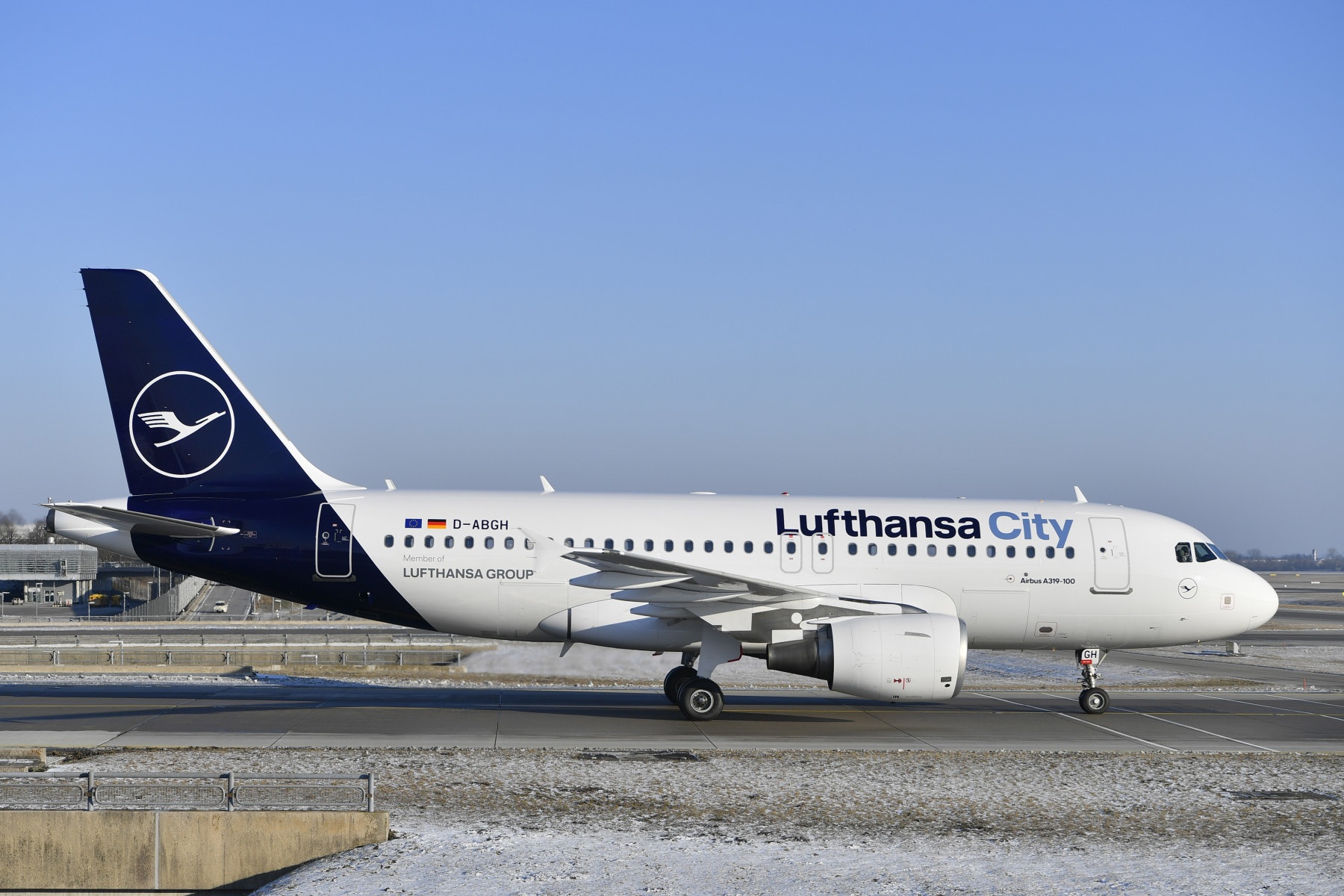
The Lufthansa Group is preparing to make air travel more connected, allowing passengers to surf the internet and stream content using their own devices while onboard.
The German airline group’s announcement reflects a broader transformation taking place across the aviation industry, where reliable connectivity is increasingly becoming an expected part of the passenger experience rather than a premium luxury.
For years, in-flight internet has been associated with slow connections, limited data allowances and expensive fees. Passengers often had to decide whether accessing email or browsing the web was worth paying for, while video streaming was generally impractical.
Register for the next Tekedia Mini-MBA.
Register for Tekedia AI in Business Masterclass.
Join Tekedia Capital Syndicate and co-invest in great global startups.
Lufthansa’s move signals a shift toward a more modern model in which travelers can remain connected throughout their journey and use their smartphones, tablets and laptops much as they would on the ground.
The ability to stream using personal devices could be particularly significant for long-haul passengers. A flight that lasts several hours can create a substantial period of disconnected time, forcing travelers to rely on downloaded entertainment or the airline’s onboard content library.
Faster and more capable connectivity could change that dynamic by allowing passengers to access streaming platforms, social media, cloud services, video calls and other internet-based applications during their flights.
The development reflects changing expectations among travelers. Connectivity has become deeply integrated into everyday life, making the prospect of spending several hours without dependable internet increasingly inconvenient for many passengers.

Business travelers may want to continue working, communicate with colleagues or access cloud-based documents, while leisure travelers may want to watch videos, follow live events, communicate with friends or simply browse social media.
For airlines, delivering this experience requires significant investment. Aircraft need suitable connectivity equipment, satellite or ground-based network access and systems capable of handling large numbers of passengers simultaneously.
Streaming is particularly demanding because video consumes substantially more bandwidth than basic web browsing or messaging. As more passengers connect at the same time, airlines must ensure that network performance remains stable.
Lufthansa’s announcement therefore represents more than a passenger convenience. It illustrates how connectivity is becoming part of the competitive landscape in aviation.

Airlines increasingly compete not only through ticket prices, routes and loyalty programs but also through the quality of the overall travel experience. Reliable onboard Wi-Fi can become an important differentiator, particularly for passengers choosing between carriers on long-distance routes.
The change has implications for the broader digital economy. As aircraft become increasingly connected, the boundary between online and offline travel continues to disappear. Passengers can remain participants in digital markets, communicate instantly and consume online services even while traveling thousands of meters above the ground.
Lufthansa’s decision highlights the changing definition of modern air travel. The aircraft cabin is no longer expected to be a completely disconnected environment. Instead, passengers increasingly want the same digital freedom they enjoy at home, in offices and in hotels. By enabling internet access and streaming through personal devices.
Lufthansa is responding to that expectation and positioning connectivity as an essential component of the future flying experience.