

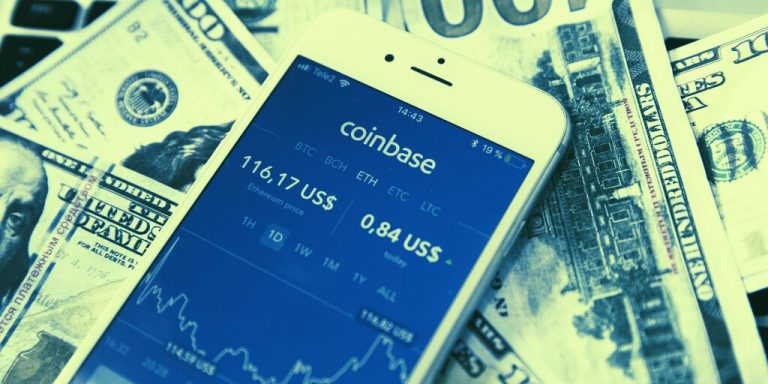
Major internet service providers (ISPs) in the Philippines, such as PLDT, Globe Telecom, and DITO, have blocked access to the websites of Coinbase (coinbase.com) and Gemini (gemini.com).
This action follows a directive from the National Telecommunications Commission (NTC), issued at the request of the Bangko Sentral ng Pilipinas (BSP), to restrict around 50 unlicensed virtual asset service providers (VASPs). Users encounter connection errors (e.g., certificate mismatches or explicit NTC block messages) when trying to access these sites.
The blocks are part of an ongoing regulatory crackdown on unregistered crypto platforms to protect consumers and enforce local licensing requirements, similar to previous actions against Binance in 2024.
Register for Tekedia Mini-MBA edition 20 (June 8 – Sept 5, 2026).
Register for Tekedia AI in Business Masterclass.
Join Tekedia Capital Syndicate and co-invest in great global startups.
Register for Tekedia AI Lab.
Licensed local platforms remain available, and users with funds on blocked exchanges are advised to withdraw them promptly if possible. VPNs or other tools may bypass the restrictions, though this carries potential risks.
The December 2025 ISP-level blocks on Coinbase, Gemini, and approximately 48 other unlicensed virtual asset service providers (VASPs) mark a significant escalation in the Philippines’ crypto regulatory enforcement.
Directed by the National Telecommunications Commission (NTC) at the request of the Bangko Sentral ng Pilipinas (BSP), this action builds on prior blocks (e.g., Binance in 2024) and reflects a shift from warnings to strict territorial licensing requirements under BSP Circular No. 1206.
Sudden loss of access to accounts, trading, and potentially withdrawals on blocked platforms. Security errors or explicit NTC block messages when accessing sites. Urgent need to withdraw funds if still possible no grace period announced, unlike Binance’s 90-day window.
Greater protection from fraud, scams, and unregulated risks, no legal recourse for losses on unlicensed platforms. Shift to licensed local exchanges for safer, compliant trading.

Regulators emphasize consumer safeguards against illicit activities and financial instability; unlicensed platforms expose users to higher risks like money laundering or platform failures.
Crypto Market Impacts
Reduced options for global exchanges; potential short-term liquidity dips or price volatility for Filipino traders. Increased use of VPNs though risky and potentially non-compliant. Consolidation around BSP-licensed VASPs (e.g., PDAX, Coins.ph, Maya), fostering a more mature, regulated domestic market.
Potential innovation in local services like stablecoins, remittances. Signals end of “informal tolerance”; global platforms must obtain local licenses to operate, promoting financial stability and integration with traditional finance.

For Exchanges/Industry
Immediate revenue loss from Philippine users for blocked platforms. Pressure on Coinbase, Gemini, etc., to apply for VASP licenses requiring local presence, capital, etc. Barrier for foreign entrants; encouragement for compliant global players to localize.
Broader regional trend mirroring actions in Thailand/Indonesia. Enforcement prioritizes AML compliance, fund segregation, and oversight; unlicensed operations violate BSP rules. Public backlash over lack of warning similar to Interactive Brokers complaints.
Heightened scrutiny on digital assets amid ongoing VASP license moratorium. Stronger alignment with global standards; potential boost to licensed fintech like remittances, payroll in crypto. Balanced growth: innovation with reduced cybercrime/illicit finance risks.
Part of ongoing crackdown to protect public while supporting regulated digital economy; no outright crypto ban. This move prioritizes consumer protection and financial integrity over unrestricted access, potentially creating a safer but more centralized crypto ecosystem in the Philippines. Users with funds on affected platforms should act quickly to migrate to BSP-approved alternatives like PDAX or Coins.ph.
While VPNs may offer temporary workarounds, they do not eliminate underlying risks or ensure compliance. This enforcement underscores that global reputation alone does not substitute for local Philippine licensing.
Coinbase Support for Solana Deposit and Withdrawals is Liquidity Boost for Base and Solana
Coinbase Exchange has enabled support for Solana (SOL) deposits and withdrawals using the Base network.
This feature is powered by the recently launched Base-Solana bridge secured with Chainlink’s CCIP, allowing seamless cross-chain transfers between native Solana and Base, an Ethereum Layer-2 built by Coinbase.
When withdrawing SOL, select “Base” as the network — Coinbase handles the bridging, converting SOL to an ERC-20 compatible version on Base. When depositing, send SOL to your Coinbase-provided Base address — it automatically credits to your unified SOL balance.
No need for third-party bridges or manual wrapping. Enables use of SOL liquidity in Base’s DeFi ecosystem (e.g., DEXs, lending). Faster and more secure transfers within Coinbase’s infrastructure. Not available in certain jurisdictions, including New York, Canada, UK, Japan, Singapore, and many EU/Asia-Pacific countries full list in Coinbase Help.
This integration builds on the earlier Base-Solana bridge launch and further connects the Solana and Ethereum ecosystems, potentially boosting liquidity flows.
Coinbase’s integration of Solana (SOL) transfers via the Base network powered by the Base-Solana bridge secured with Chainlink CCIP marks a major step in cross-chain interoperability.
This allows seamless movement of SOL between native Solana and Base (Coinbase’s Ethereum L2), treating SOL as an ERC-20 token on Base without third-party bridges.
Users can now easily shift SOL liquidity into Base’s DeFi ecosystem (e.g., DEXs like Aerodrome, lending protocols) for yield farming, trading, or other EVM-compatible apps. Expect “heavy liquidity inflow” to both chains, as retail and institutional users move assets frictionlessly.
SOL holders gain access to Ethereum-aligned tools, while Base users tap into Solana’s high-throughput assets. Potential boost to TVL on Base and deeper pools for SOL pairs. Buy SOL on Coinbase, withdraw directly to Base for DeFi, or deposit from Solana wallets to Coinbase balances automatically.
Lowers barriers for retail users—no manual wrapping/unwrapping or risky external bridges. Positions Coinbase as a “multi-chain hub,” aligning with its goal of being the “everything exchange” for on-chain assets.
Could drive broader Solana adoption among Ethereum users and vice versa, fostering hybrid apps leveraging Solana speed + Ethereum composability. Turns Base into a neutral settlement layer for non-EVM assets, consolidating liquidity under Coinbase’s infrastructure.
Signals deeper commitment to Solana as a peer to Ethereum, beyond just listings. Competitive edge over other exchanges/bridges by offering secure, in-house transfers. Community sentiment is largely bullish, with X posts highlighting “heavy liquidity inflow” and potential pumps for SOL.
Increased utility could support SOL price through more on-chain activity, though early bridge launches saw minor dips amid broader market trends. Debate on “vampire attack”: Some view it as pulling liquidity from Solana to Base, but bidirectional flows make it more reciprocal.
Unavailable in regions like New York, UK, Canada, Japan, and many EU/Asia countries. Security reliance on Coinbase/Chainlink verification—more trusted than decentralized bridges but introduces centralization points. Potential for asymmetric flows if more SOL moves to Base without reverse traffic.
This is a bullish development for multi-chain crypto, reducing silos and unlocking new DeFi opportunities. It strengthens ties between Solana and Ethereum ecosystems while keeping activity within Coinbase’s regulated environment. Watch for increased volume on Base DeFi protocols and SOL trading pairs in the coming weeks.