

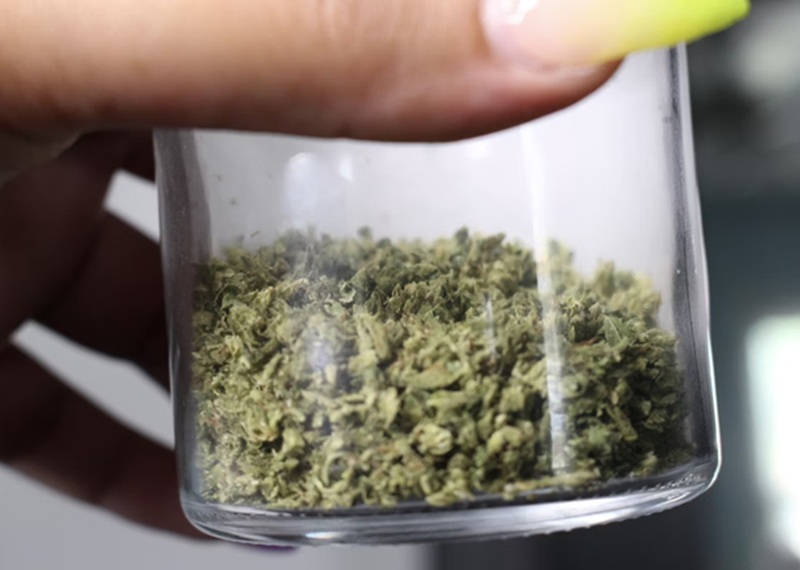
The pressures of modern work life can trigger significant anxiety for many professionals. Balancing a demanding workload, maintaining deadlines, and maintaining relationships with colleagues all contribute to rising stress levels. This article explores how THC, a compound found in cannabis, has emerged as a potential tool for managing work-related stress and anxiety.
The Science Behind THC and Stress Relief
Recent studies indicate that THC, short for tetrahydrocannabinol, interacts with the endocannabinoid system in the human body, which plays a key role in regulating stress and anxiety levels. When THC binds to cannabinoid receptors, it can lead to feelings of relaxation and euphoria. This effect can help individuals cope with the pressures of work environments, which often exacerbate anxiety. Research from the National Institute on Drug Abuse highlights that THC may reduce feelings of anxiety at lower doses, helping to balance mood.
As professionals face various workplace challenges, exploring the benefits of THC can be a helpful option in addressing their mental well-being. Individual experiences with THC can vary based on specific strains used. Some strains may promote relaxation, while others might energize or enhance creativity. Whether you explore Presidential OG or a different strain, selecting the right type might significantly influence how one manages stress in various work settings. Experimentation under safe and legal conditions is often recommended to find the most suitable option.
Dosage control is equally important, since too much THC may heighten anxiety rather than reduce it. Pairing THC use with mindfulness practices such as meditation or deep breathing can amplify the calming effects. Some individuals report improved sleep quality, which directly supports stress management. THC’s potential as a tool for relaxation depends greatly on responsible and informed use.
Impact of Stress on Workplace Productivity
High levels of stress can diminish productivity and impair an employee’s ability to focus on tasks. According to studies conducted by the American Psychological Association, stress contributes to lost productivity, costing employers billions annually in lost work hours.
Employees overwhelmed by anxiety often face increased absenteeism, disengagement from their roles, and challenges in communication with colleagues, leading to a toxic work environment. In contrast, an environment where stress is managed effectively can lead to greater job satisfaction and enhanced performance. Research shows that companies that prioritize mental health can experience lower turnover rates and higher employee morale, fostering a more productive workplace.
Integrating THC into Workplace Wellness Programs
Given the increasing acceptance of cannabis in various regions, organizations are starting to reconsider their approaches to managing employee mental health. Integrating THC into workplace wellness programs could involve providing education on responsible use, techniques for stress management, and alternative therapies. These programs can benefit employees by creating an open dialogue about mental health and reducing stigma around discussing cannabis use for stress relief.
Companies might take into account incorporating resources like workshops or collaborations with experts in cannabis wellness to educate staff effectively. Organizations must address the legalities surrounding cannabis use when developing these wellness programs. Establishing clear guidelines and ensuring compliance with local and federal laws can create a safe environment for employees exploring THC as a coping resource.
Potential Risks and Considerations
While THC could provide relief for some individuals, it’s important to think about the possible risks associated with its use. Individuals new to cannabis may find that their response to THC can vary greatly, leading to unexpected side effects such as increased anxiety or paranoia, particularly in high doses.
Workplace policies may dictate specific drug use regulations, and violating such policies could result in disciplinary actions. Employees should be mindful of their company’s stance on cannabis, ensuring responsible and informed choices regarding its use, even for stress relief. Understanding personal limits and seeking guidance from professionals can help navigate the complexities surrounding THC use.

Alternative Stress Management Techniques
Besides THC, a multitude of alternative methods can help manage work-related stress effectively. Practices such as mindfulness meditation, physical exercise, and therapy have shown promise in reducing anxiety levels. Implementing mindfulness techniques into daily routines may provide a sense of calm and clarity amidst chaos.
Physical activity offers another powerful outlet for stress relief. Exercise stimulates the release of endorphins, chemicals in the brain that act as natural painkillers and mood elevators. Incorporating regular fitness activities into daily work schedules, even short breaks for brisk walks, can enhance focus and alleviate stress.
Therapists specializing in workplace-related anxiety may offer tailored strategies for individuals struggling with their emotional health. Professional support can equip employees with coping mechanisms, enriching their toolkit for handling stress. Incorporating these alternative practices alongside considering THC can lead to a holistic approach to managing work anxiety. By diversifying their methods, employees can enhance their emotional resilience against workplace pressures.
As workplaces evolve, understanding and addressing stress has become a critical component of employee wellbeing. THC presents an interesting avenue for alleviating anxiety, but it’s important to approach it with caution. By fostering open conversations about mental health, integrating various stress management techniques, and ensuring responsible cannabis use where appropriate, employees and employers can work together toward a healthier, more productive work environment.