

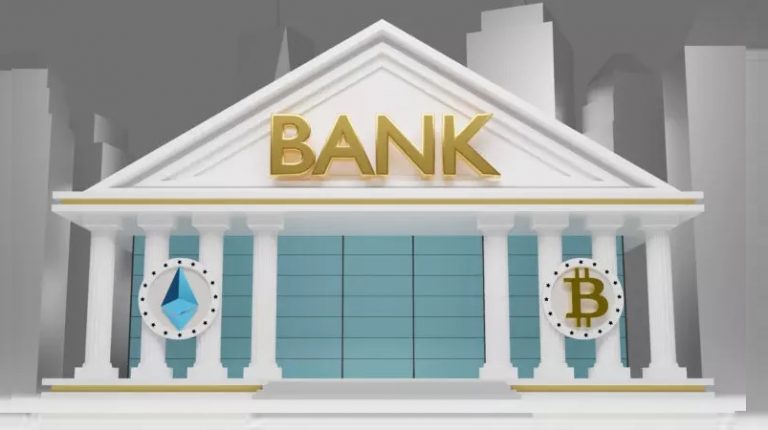
Bybit, one of the world’s largest cryptocurrency exchanges based in Dubai, has announced plans to expand into retail banking services by offering “MyBank powered by Bybit” accounts.
These function as retail-style bank accounts, allowing users to hold and manage fiat currencies alongside their crypto holdings. The service was targeted for rollout in February 2026, and as of mid-February 2026 (current date), recent reports and posts indicate it has begun rolling out or is actively being enabled for eligible users.
Some sources from early February confirm the launch has occurred, with users able to access features like personal IBANs. Users receive a personal IBAN (International Bank Account Number) after completing KYC verification.
Initial support starts with USD, with plans to include up to 18 fiat currencies for holding, transfers, deposits, and withdrawals. Everyday banking functions: Receive salaries, pay bills, make large purchases, and handle cross-border transfers.
Aims to reduce friction and disruptions when moving fiat in and out of crypto trading. Integrates seamlessly with Bybit’s crypto platform for faster fiat-to-crypto on/off-ramps. Accounts are provided through partnerships with licensed banks, such as Pave Bank (a Georgia-licensed lender, backed by entities like Tether Investments in some reports).
Register for Tekedia Mini-MBA edition 20 (June 8 – Sept 5, 2026).
Register for Tekedia AI in Business Masterclass.
Join Tekedia Capital Syndicate and co-invest in great global startups.
Register for Tekedia AI Lab.
In regions like the US, accounts may be sponsored by local partners. This makes Bybit operate more like a neo-bank or “new financial platform,” bridging traditional finance and crypto. Announced by CEO Ben Zhou in late January 2026 during a livestream and keynote, this is part of Bybit’s broader 2026 vision to evolve beyond a pure exchange into a global financial ecosystem.
It targets underserved users in emerging markets facing high fees, slow transfers, and limited access. This move positions Bybit similarly to fintechs like Revolut which added crypto later but in reverse—starting from crypto and adding banking rails.
It could enhance user retention by minimizing the need for separate traditional bank accounts for fiat handling. Availability may depend on your region, regulatory approvals, and KYC status.

Binance does not currently offer full retail-style bank accounts like personal IBANs for holding multiple fiat currencies, salary deposits, bill payments, or everyday banking like Bybit’s “MyBank” initiative.
Instead, Binance provides robust fiat on/off-ramp services integrated with its crypto platform, allowing users to deposit, hold, and withdraw fiat currencies to facilitate trading and conversions. These are powered by third-party payment providers and licensed entities, not direct banking accounts.
Binance supports multiple fiat currencies like USD, EUR, GBP, AUD, and others like RON, CHF, CZK, PLN, SEK, HUF, ILS, KWD via specific channels. Methods include bank transfers; SWIFT via BPay Global BSC, licensed by the Central Bank of Bahrain, card payments, P2P trading, and local gateways.

Users can activate services like BPay for bank transfers: Log in ? Deposit ? Select currency and Bank Transfer ? Activate account ? Receive details to transfer from your personal bank. Withdrawals to bank accounts or, in some regions, directly to cards like Mastercard for near-instant fiat cash-outs after selling crypto.
Fiat Wallet: A dedicated spot/fiat wallet holds fiat balances after deposits or crypto sales. Enables seamless crypto purchases/sales with low fees and competitive rates. In Australia, Binance restored direct PayID and bank transfers in January 2026 after a two-year hiatus due to prior banking restrictions, allowing real-time AUD deposits/withdrawals via partners like Bolt Financial Group.
In Europe/UK, direct card withdrawals and broader fiat options are available. Binance.US restored USD ACH deposits/withdrawals in 2025 after a long pause. Binance offers Banking Triparty services for institutions; holding collateral like fiat or Treasuries off-exchange with third-party banks, with promotions like 0% fees extended into early 2026.
Partnerships with banks like BBVA in Spain for custody and transitions from providers like Bifinity UAB. Unlike Bybit’s push toward “MyBank powered by Bybit” (personal IBANs, multi-fiat holding, salary/bill payments via licensed bank partners like Pave Bank), Binance focuses on exchange-integrated fiat rails rather than evolving into a neo-bank for retail everyday use.
Binance emphasizes fast, low-friction crypto-fiat conversions, P2P, and global payment methods without providing standalone banking features like personal IBANs or direct fiat ecosystem integration beyond trading. Availability varies by region due to regulations, KYC requirements, and licensed partners—always verify in your Binance app or official site, as services can change.
Fiat services on exchanges are not traditional bank deposits (no universal insurance like FDIC), involve risks, and are for facilitating crypto activities.
HOW I GOT BACK $500.000 AFTER BEEN SCAMMED BY MR DAVID FX
I hope this may help someone out there. In November last year, I lost over 500.000 dollars to scammers, but thanks to “Crypto Tracer Pro ” I was able to recover my investments, though it took some time. My journey began when I was invited to a trading group on Telegram, which boasted over 34,000 subscribers. The vibrant activity made it seem legitimate, but I later discovered that the subscriber numbers were manipulated by the scammers operating the fake company. Initially, I was drawn in by the documents provided, which claimed I could withdraw my investments whenever I wanted. However, when I attempted to withdraw, my request was declined. I contacted customer support and was told I needed to pay taxes and trading fees which I told them to deduct from my investments but they insisted I pay it instead since my account has been frozen . Despite complying and paying these fees, my withdrawal access remained restricted. It dawned on me that I might be entangled in a pig butchering scam.
I kept my situation private until I could no longer bear it, eventually confiding in my brother. He offered me support instead of judgment, which I desperately needed. Together, we hired a private investigator to dig deeper into the case. After a thorough investigation, he recommended hiring a hacker to resolve the issue and referred us to “ Crypto Tracer Pro ”
Within a week, they tracked down the scammers, providing much needed relief. I learned that seeking help was crucial, and I’m grateful to my brother for standing by me during this crisis. If anyone finds themselves in a similar situation, you can contact the recovery team through the following:
Contact info:
Email crypto.tracer.pro@mail.com
Number: +447473245185
Website: https://crypto-tracer-pro.webnode.page