

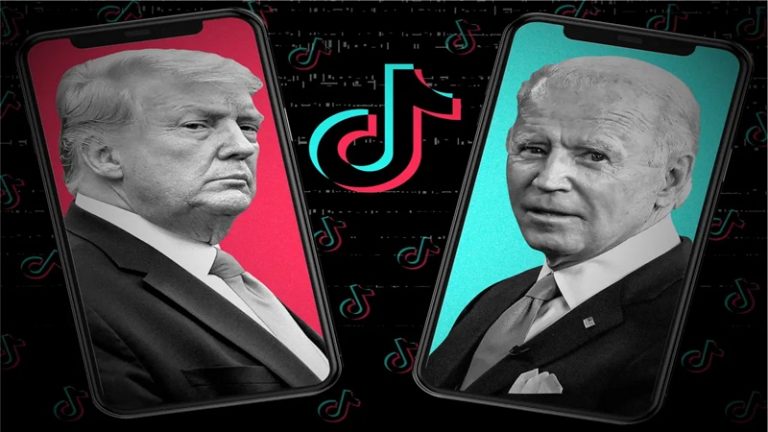
U.S. President Donald Trump is scheduled to address the nation on Thursday at 9 p.m. Eastern Time regarding newly declassified information related to alleged irregularities in the 2020 presidential election.
The announcement has already generated significant political interest, with supporters and critics alike closely watching for details about the documents and their potential implications.
The 2020 U.S. presidential election remains one of the most contentious elections in modern American history. former President Joe Biden defeated incumbent President Trump by securing both the popular vote and the Electoral College.
Register for the next Tekedia Mini-MBA.
Register for Tekedia AI in Business Masterclass.
Join Tekedia Capital Syndicate and co-invest in great global startups.
Trump and many of his supporters have consistently argued that the election was marred by fraud, procedural irregularities, and questionable voting practices. Numerous lawsuits were filed in the aftermath of the election, though courts across several states largely dismissed these cases due to insufficient evidence or procedural issues.
The upcoming address is expected to focus on recently declassified materials that Trump and his allies claim could shed new light on events surrounding the election.
While the exact nature of the documents remains unclear, speculation has intensified across political circles and social media platforms. Supporters believe the information could validate long-standing concerns regarding election administration, intelligence activities, or government actions taken during and after the election period.
The announcement comes at a politically sensitive time. The United States is heading toward another major election cycle, and discussions surrounding election integrity have once again become central issues in national politics.

Polling consistently shows that a significant portion of Republican voters continue to question aspects of the 2020 election results, making any new information potentially influential in shaping political narratives ahead of future contests.
Critics, however, urge caution regarding the anticipated disclosures. Many analysts argue that previous claims of widespread election fraud have not been substantiated by official investigations.
Federal agencies, state election officials, and independent reviews have repeatedly stated that they found no evidence of fraud on a scale sufficient to alter the outcome of the election. Opponents warn that presenting declassified information without clear context could further deepen political divisions and fuel misinformation.
At the same time, transparency advocates argue that declassification itself serves an important democratic purpose.

If government agencies possess information related to election security concerns, intelligence assessments, or internal communications, making such information available to the public can help strengthen trust in democratic institutions.
Public scrutiny of official records often contributes to greater accountability, regardless of whether the documents support or refute existing claims. Trump’s address is therefore expected to attract substantial national and international attention.
News organizations, political analysts, and legal experts will likely examine any released documents in detail, assessing both their authenticity and their broader significance. Markets and political observers may also monitor whether the speech influences public sentiment or campaign dynamics in the months ahead.
The significance of Thursday’s address will depend not merely on the existence of declassified materials but on the substance of the information presented. If the documents reveal previously unknown facts, they could reignite debates over election security and government transparency.
If they fail to provide compelling new evidence, the event may instead reinforce existing political divisions and competing narratives surrounding one of the most disputed elections in American history.
Trump’s speech underscores the enduring impact of the 2020 election on American politics. Nearly six years later, questions surrounding election integrity, public trust, and political accountability continue to shape national discourse, demonstrating that the legacy of the 2020 contest remains far from settled.