

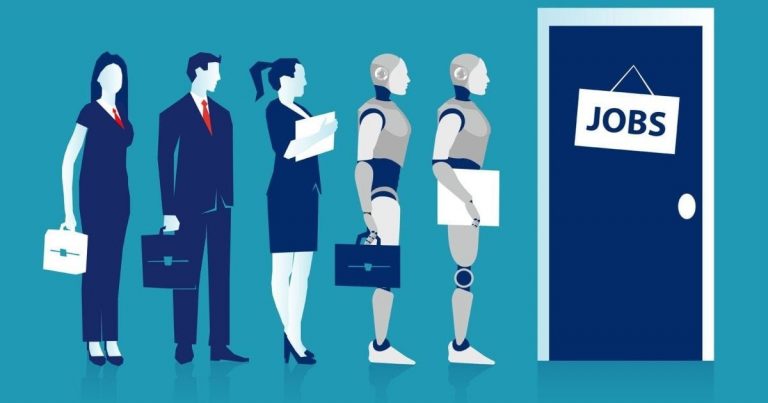
A new bipartisan bill introduced in the U.S. Senate aims to create a transparent picture of how artificial intelligence is reshaping the American workforce, as fears grow that automation could eliminate millions of jobs in the coming years.
Senators Mark Warner (D-Va.) and Josh Hawley (R-Mo.) on Wednesday unveiled the AI-Related Job Impacts Clarity Act, which would require publicly traded companies, select private firms, and federal agencies to report quarterly on how AI is affecting their employment numbers. The legislation mandates that organizations submit detailed data to the Department of Labor on job losses, reduced hiring, new AI-driven roles, and other workforce changes directly linked to the use of artificial intelligence.
The Labor Department would then be required to compile the information into a public report, allowing policymakers, researchers, and the public to track AI’s real-world economic effects.
Register for Tekedia Mini-MBA edition 20 (June 8 – Sept 5, 2026).
Register for Tekedia AI in Business Masterclass.
Join Tekedia Capital Syndicate and co-invest in great global startups.
Register for Tekedia AI Lab.
“This bipartisan legislation will finally give us a clear picture of AI’s impact on the workforce,” Warner said in a statement. “Armed with this information, we can make sure AI drives opportunity instead of leaving workers behind.”
Hawley reportedly echoed similar sentiments, noting that policymakers need accurate data to anticipate disruptions.
Rising Alarm Over AI-Driven Job Losses
The bill comes amid growing unease among politicians, economists, and labor advocates over the rapid spread of automation across industries. Artificial intelligence, particularly generative AI systems like chatbots, coding assistants, and content-generation tools, has already begun to displace entry-level and administrative roles, according to recent studies and industry statements.

In May, Anthropic CEO Dario Amodei warned that AI systems could eliminate up to half of all entry-level white-collar jobs and drive unemployment rates to as high as 20% within five years. He said at the time that the impact could be severe and fast-moving.
The concern is already reflected in corporate restructuring announcements. Over the past two months, Amazon, UPS, and Target collectively announced more than 60,000 job cuts, citing automation, efficiency drives, and shifting business priorities. Tech firms, including IBM and Meta, have also cut staff while ramping up investment in AI tools that automate administrative and technical functions.
While some executives argue AI will create new roles in engineering, data management, and model training, the net impact on employment remains unclear. Economists say the absence of centralized reporting has made it difficult to separate hype from measurable impact.

The AI-Related Job Impacts Clarity Act seeks to change that by imposing a federal reporting standard. Under the proposal, companies would have to explain how AI is influencing workforce decisions, including automation of specific tasks, changes in recruitment patterns, and shifts in skill requirements.
The goal is to ensure that the United States develops “evidence-based policies” to manage AI’s economic disruption — rather than reacting after mass layoffs occur.
The proposed bill follows similar calls for transparency from labor unions and civil society groups. The AFL-CIO, the country’s largest federation of labor unions, has repeatedly urged Congress to establish reporting requirements on AI’s deployment in workplaces, warning that unchecked adoption could “hollow out” middle-income jobs.
Tech Transformation and Political Pressure
AI’s influence on the job market has become one of the most politically sensitive issues in Washington. Both parties have expressed concern that automation could widen inequality and reduce economic mobility.
Earlier this year, the White House Council of Economic Advisers noted that AI poses “substantial short-term disruption risks,” especially to clerical, transportation, and customer service roles. At the same time, President Donald Trump’s administration has emphasized the need for “American-first AI innovation” that preserves jobs and ensures that U.S. companies remain competitive globally.
The bill also reflects a broader push in Congress to regulate the social and economic impacts of AI. It follows a wave of legislative activity targeting AI transparency, algorithmic accountability, and national security implications.
Still, questions remain about how the government will define AI-driven changes and whether companies will accurately report them. There is concern that firms could downplay AI’s role in layoffs or overstate its job-creating potential to influence public opinion.
However, the bill signals a growing bipartisan recognition that AI’s economic effects must be measured before they can be managed. If passed, the law would make the United States the first major economy to require systematic disclosure of AI’s employment impact — a move that could set a precedent for other nations grappling with automation’s consequences.