

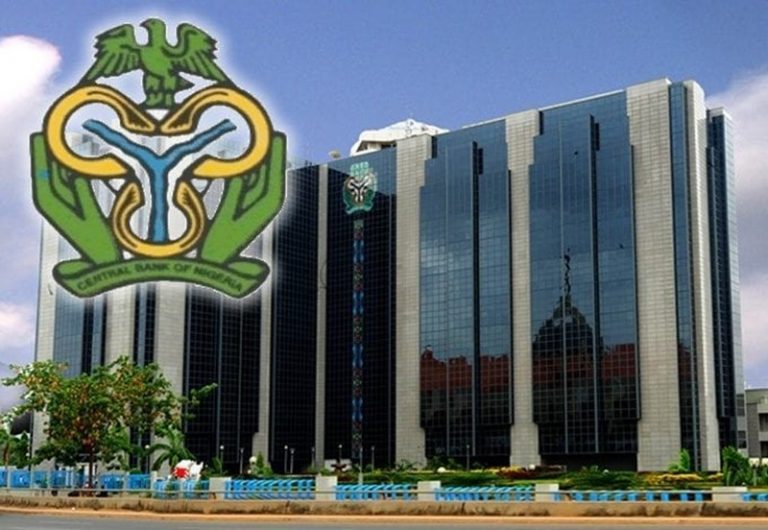
The Central Bank of Nigeria (CBN) has recently upgraded the operating licenses of several major fintech companies and microfinance banks (MFBs), including OPay, Moniepoint MFB, Kuda Bank, Palmpay, and Paga, to national status.
This allows them to formally operate nationwide, aligning their licenses with their existing operational footprint after meeting compliance requirements, e.g., higher capital thresholds, such as N5 billion for national MFBs, dedicated complaint resolution offices, and enhanced consumer protection measures.
The announcement was made by Yemi Solaja, Director of the Other Financial Institutions Supervision Department (OFISD) at the CBN, during the annual Committee of Heads of Banks’ Operations (CHBOs) conference in Lagos around late January 2026.
Register for Tekedia Mini-MBA edition 20 (June 8 – Sept 5, 2026).
Register for Tekedia AI in Business Masterclass.
Join Tekedia Capital Syndicate and co-invest in great global startups.
Register for Tekedia AI Lab.
He said,
“Institutions like Moniepoint MFB, Opay, Kuda Bank, and others have already been upgraded. In reality, their activities are now all over the country. Most of their customers are informal people. They need to know where to report to when there is a problem”.
Before this upgrade, most of these fintechs operated under a State Microfinance Bank (State MFB) license. Under the CBN’s microfinance banking framework, a state MFB license allows an institution to operate within a single state or the Federal Capital Territory (FCT).

Despite this restriction, some of these fintechs had expanded their customer base nationwide through mobile platforms. Leveraging mobile applications, USSD channels, agent networks, and cloud-based infrastructure, these institutions were able to reach users in every part of the country without relying on traditional brick-and-mortar branches.
For example, Moniepoint MFB, licensed in Lagos State, grew into one of Nigeria’s most dominant business banking platforms. Its point-of-sale (POS) terminals and agency network became ubiquitous nationwide, serving SMEs and merchants in urban centers and remote communities alike, despite the institution formally holding a state microfinance license.
Similarly, Paga, one of Nigeria’s earliest fintech success stories, expanded aggressively through a nationwide agent network. Although its microfinance license was state-based, Paga’s agents facilitated payments, transfers, and financial access in communities across the country, positioning the company as a national financial services provider in practice.

What The CBN National MFB License Changes
With the new National Microfinance Bank license, these institutions are now legally permitted to operate in all states across Nigeria. However, this upgrade comes with significantly higher regulatory expectations.
Key requirements for National MFBs include:
•A minimum capital base of N5 billion
•Stronger corporate governance structures
•Dedicated customer complaint resolution offices
•Enhanced consumer protection and risk management frameworks
•Closer regulatory oversight by the CBN
By meeting these conditions, the affected fintechs demonstrated their readiness to operate at a national scale under stricter supervision.
Why the Upgrade Matters
The license upgrade is a major milestone for Nigeria’s fintech ecosystem. It:
• Eliminates regulatory grey areas around nationwide digital operations
• Strengthens consumer trust and protection
• Signals CBN’s recognition of fintechs as systemically important players in financial inclusion.
Outlook
The transition of major fintechs to National MFB status underscores the CBN’s broader effort to modernize financial regulation in response to Nigeria’s rapidly evolving digital finance landscape.
As fintechs continue to play a central role in expanding access to financial services, the transition to National MFB status marks a significant step in the maturation and regulation of Nigeria’s digital finance landscape.