

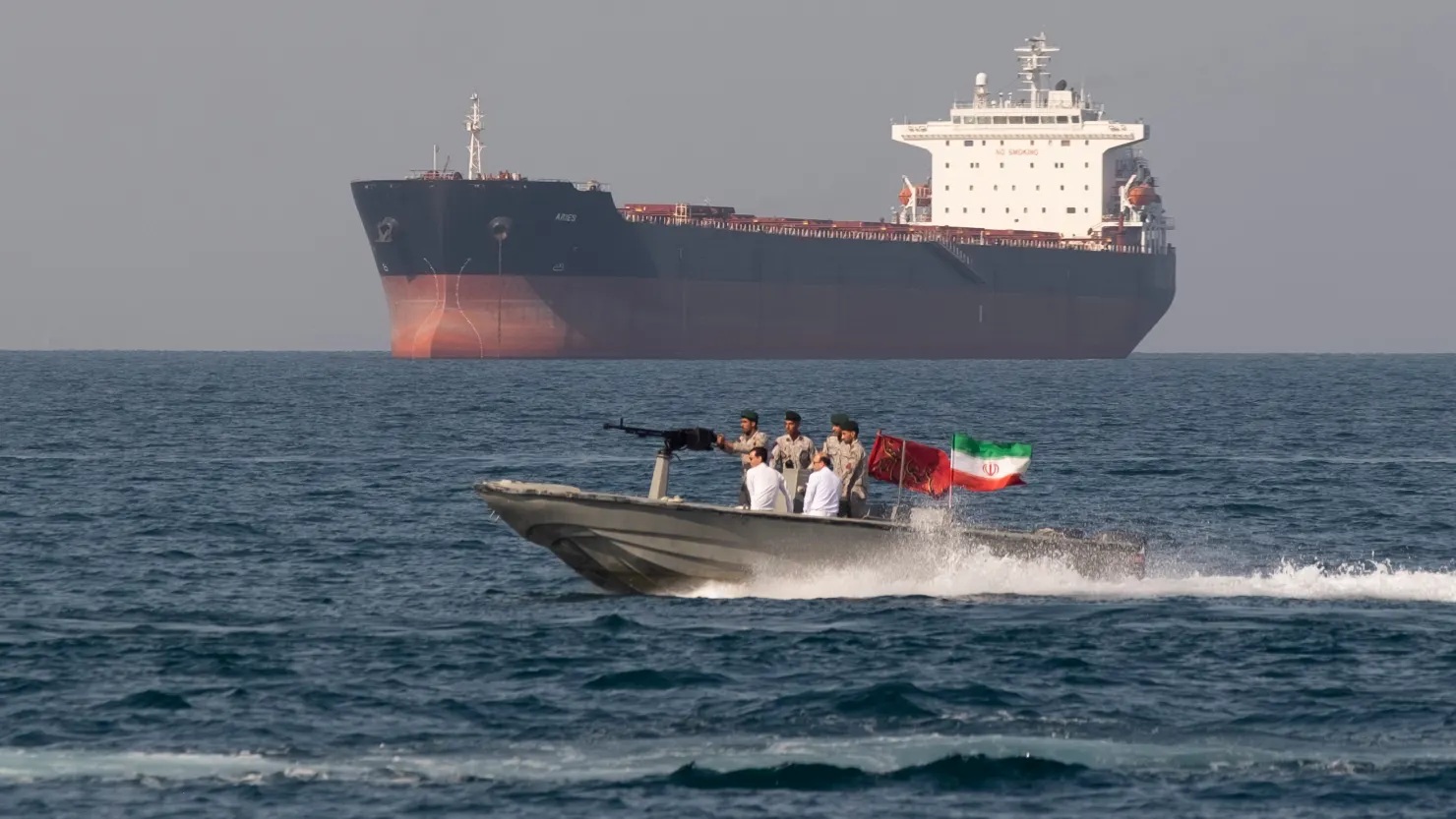
Global oil prices rebounded sharply on Tuesday, rising about 3% as fresh attacks linked to Iran on the United Arab Emirates reignited fears of prolonged supply disruptions, with the strategically critical Strait of Hormuz still operating far below normal capacity.
Benchmark Brent crude climbed $3.27, or 3.3%, to $103.48 a barrel by mid-morning in London, while West Texas Intermediate rose $3.14, or 3.4%, to $96.64, reversing losses from the previous session when tentative shipping movements through the strait briefly calmed markets.
The latest gains come as the conflict involving the U.S., Israel, and Iran enters its third week, with no clear path to de-escalation. Iranian-linked attacks have disrupted key energy infrastructure in the Gulf. Operations at the Shah gas field remain suspended following a drone strike, while a fresh attack triggered a fire at Fujairah port, forcing the Abu Dhabi National Oil Company to halt loading operations.
Register for Tekedia Mini-MBA edition 20 (June 8 – Sept 5, 2026).
Register for Tekedia AI in Business Masterclass.
Join Tekedia Capital Syndicate and co-invest in great global startups.
Register for Tekedia AI Lab.
Fujairah is a crucial outlet for crude exports, handling volumes equivalent to roughly 1% of global oil demand. Its location outside the Strait of Hormuz has traditionally made it a strategic alternative route, but the latest disruption has underscored how few reliable fallback options exist.
At the center of market anxiety remains the Strait of Hormuz, a narrow maritime corridor through which around 20% of global oil and liquefied natural gas flows. Although Iran says the Strait will be open now to all countries except the U.S. and Israel, the impact of the closure is still weighing heavily on the oil market.
Analysts warn that the situation remains highly fragile. “It only takes one Iranian militia to fire a missile or plant a mine on a passing tanker to reignite the entire situation,” said IG market analyst Tony Sycamore.

Iran has allowed some vessels—including Indian tankers—to pass, easing immediate pressure, but traders continue to price in prolonged instability and intermittent closures, according to market participants.
UAE Output Cuts Signal Tightening Supply
The operational strain is already translating into reduced output. The United Arab Emirates, one of the largest producers within the Organization of the Petroleum Exporting Countries, has reportedly cut production by more than half due to export bottlenecks and security risks.
That reduction is significant in a market already facing constrained supply from other producers and limited spare capacity across OPEC+. Middle Eastern crude benchmarks have surged to record premiums, reflecting scarcity of immediately deliverable barrels, a key indicator of tight physical markets.

Monday’s sharp selloff—when Brent fell 2.8%, and WTI dropped 5.3%—highlighted how quickly sentiment can shift based on even minor improvements in shipping flows. But Tuesday’s rebound underscores a deeper reality: the market is increasingly trading on geopolitical risk rather than fundamentals alone.
“For now, oil markets are fixated on the duration of the conflict, halted supplies at Hormuz and eventually the damage this chaos will leave on oil infrastructure in the Gulf,” said Priyanka Sachdeva of Phillip Nova.
This uncertainty is feeding volatility, with price swings reflecting headline risk as much as actual supply changes.
Diplomatic Rifts Complicate Response
Efforts to stabilize shipping lanes face geopolitical hurdles. Several U.S. allies have declined calls by Donald Trump to deploy naval escorts for tankers transiting the strait. The reluctance exposes divisions among Western partners over how far to escalate military involvement, complicating attempts to secure one of the world’s most vital energy corridors.
Without coordinated naval protection, insurers may continue to raise premiums on tankers, further increasing the cost of transporting oil—even where shipments remain technically possible.
Analysts say oil prices could climb further if disruptions persist or escalate. Technical indicators suggest that WTI could test resistance levels near $124 per barrel in the medium term, according to OANDA. At the same time, the physical market remains under pressure, with limited alternative routes and infrastructure unable to fully compensate for Hormuz disruptions.
Reserves Back In Focus
In response to rising prices, the International Energy Agency has indicated that additional releases from strategic reserves remain an option, on top of the more than 400 million barrels already earmarked by member countries.
Such measures could provide temporary relief, but analysts caution they are not a substitute for sustained supply flows, particularly if infrastructure damage in the Gulf worsens. The resurgence in oil prices is likely to feed into higher global inflation, complicating the outlook for central banks already navigating fragile economic recoveries.
Higher energy costs ripple through transport, manufacturing, and food prices, raising the risk of prolonged inflationary pressure at a time when policymakers had been hoping for stability. In that sense, the oil market is no longer reacting solely to supply disruptions—it is increasingly acting as a barometer for broader geopolitical and economic risk.
With the Strait of Hormuz still constrained and Gulf infrastructure under threat, traders are bracing for further turbulence, as even small developments on the ground continue to trigger outsized moves in global energy markets.