DD
MM
YYYY

PAGES

DD
MM
YYYY

spot_img

PAGES

Home Blog Page 107

TUI Cruise Passengers from the Middle East Arrived Back in Germany 

0

Hundreds of cruise passengers from the Middle East have arrived back in Germany amid an ongoing crisis in the region, specifically due to the escalating war involving Iran, and US vs Israel.

Around 640 passengers from the TUI Cruises ship Mein Schiff 4 landed at Frankfurt Airport. They had been stranded in the Gulf region (the ship was originally in Abu Dhabi, UAE, but evacuations routed through places like Muscat, Oman).

TUI Cruises chartered flights to bring them home, with passengers flown out in groups. This is part of a larger repatriation effort: TUI Cruises has two affected ships: Mein Schiff 4*(previously in Abu Dhabi) and Mein Schiff 5 (in Doha, Qatar).

Thousands of passengers estimates around 5,000–7,000 on these ships alone, plus more German tourists in the region totaling up to ~30,000 were stranded due to airspace closures, flight cancellations, Iran’s actions including threats/blockades in the Strait of Hormuz, and broader military tensions involving Israel, the US, and Iran.

Cruise itineraries in the Persian Gulf/Red Sea were canceled or halted for safety. Evacuations involve chartered flights some via Emirates or other carriers, others government-assisted, with groups arriving in cities like Frankfurt, Munich, and others. Earlier groups included smaller flights and more repatriations are ongoing, though some passengers remain awaiting flights.

Passengers described anxious waits on board, with routine cruises turning into tense situations involving security alerts and uncertainty. Relief was evident upon arrival, with some reports noting emotional reunions. This appears to be a developing story tied to the regional conflict disrupting travel. More arrivals are expected in the coming days as TUI and authorities continue operations.

The ongoing escalation in the Middle East conflict—specifically the US-Israeli war with Iran that began around late February 2026—has significantly disrupted global oil supplies, primarily through attacks on shipping, threats to energy infrastructure, and the effective closure (or severe restriction) of the Strait of Hormuz.

This chokepoint handles about 20% of global seaborne crude oil trade and a similar share of liquefied natural gas (LNG) exports, mainly from Gulf producers like Saudi Arabia, Iraq, UAE, Qatar, and others. Iran’s retaliatory actions, including missile strikes on ships and facilities, plus vows to target vessels attempting passage, have halted most tanker traffic for several days, stranding vessels, forcing rerouting, and slashing exports from the region.

Brent crude has risen dramatically since the conflict intensified around February 28–March 1, 2026. Early March saw spikes of 7–13% in single sessions, with Brent briefly exceeding $82/barrel initially. By March 6, 2026, Brent settled around $92–93 per barrel; up ~8–9% in one day in some reports, with highs near $94, marking levels not seen since late 2022 or early 2025 peaks.

West Texas Intermediate has followed suit, reaching around $90–91 per barrel in recent trading up over 12% in sessions, its highest in years. Markets have baked in a substantial “risk premium” estimates from Goldman Sachs and others: $10–$18+ per barrel to account for supply fears.

Prolonged disruptions could push prices toward or above $100 per barrel, per analysts from Wood Mackenzie, Citi, and others. Natural gas prices especially in Europe surged 30–40%+ initially due to LNG flow risks from Qatar. Gasoline prices in the US rose above $3/gallon in places, with knock-on effects to shipping costs, fertilizers, and commodities like sugar and soy.

Direct hits on tankers, five reported attacked. Production cuts; Iraq reduced output due to export issues. Saudi Arabia and others seeking alternative routes (limited capacity). No quick resolution in sight, as the conflict enters its second week with ongoing strikes.

Prices remain highly volatile, with daily swings tied to news on Hormuz flows, military developments, and any de-escalation signals. Analysts note that even brief disruptions cause spikes, but a full, extended closure unlikely long-term due to economic self-harm to Iran and potential military response could trigger a more severe shock.

Some forecasts suggest prices could moderate if flows partially resume soon, but sustained issues risk higher inflation globally, slower growth, and pressure on consumers and emerging markets especially Asia, heavily reliant on Gulf imports.

This ties directly into travel disruptions like the cruise evacuations from the Gulf, as airspace and shipping fears compound the energy crisis. The situation is fluid—monitor real-time market data for the latest.

How AI is Reshaping Marketing and Product Discovery in 2026

0

Marketing in the Age of Artificial intelligence AI Discovery” captures a major shift happening in digital marketing as of 2026.

Traditional search engine optimization (SEO) is giving way to new strategies focused on large language models (LLMs) and generative AI systems like ChatGPT, Google’s AI Overviews, Perplexity, Gemini, and others. These tools now serve as the primary “front door” for product discovery, recommendations, comparisons, and brand mentions—often delivering answers without requiring users to click through to websites (the rise of “zero-click” search).

Adobe’s LLM Optimizer stands out as one of the most prominent enterprise tools addressing this exact challenge. It’s essentially a Generative Engine Optimization (GEO) platform designed to help brands stay visible, accurately cited, favorably recommended, and ultimately chosen in AI-generated responses.

What Adobe LLM Optimizer Does

It targets the new reality where AI models act as intermediaries in discovery: Measures and benchmarks how often (and how accurately) your brand/content appears in AI outputs across major LLMs. Tracks AI-driven traffic and citations (finally giving marketers visibility into this previously opaque channel)

Identifies content gaps, competitor advantages, and specific opportunities. Provides actionable recommendations to improve discoverability; content structure, authority signals, unique angles, clear language, topical depth. Offers edge-level optimization: serves AI-agent-optimized versions of pages via CDN without changing what human visitors see

Early adopters including Adobe’s own products like Acrobat have reported substantial lifts—e.g., 200%+ increases in LLM visibility and 41% uplifts in AI-referred traffic. Industry analysts (McKinsey, IDC, Bain, etc.) describe 2025–2026 as the inflection point: Consumers increasingly use conversational AI for product discovery, feature comparisons, and recommendations.

LLMs synthesize answers from vast sources ? visibility depends on how well content is interpreted, trusted, and prioritized by models (relevance, credibility, structure, uniqueness, sentiment). Forecasts suggest companies may spend up to 5× more on LLM optimization than traditional SEO by the end of the decade.

Brand authority and consistent multi-channel presence become even more critical because AI systems amplify strong, coherent narratives. Key tactics emerging in this era include: Creating content that’s not just keyword-optimized but LLM-friendly (clear structure, precise language, authoritative unique insights, statistics, comparisons).

Building signals of trust and expertise that models value; E-E-A-T principles evolve into AI-friendly equivalents. Monitoring and influencing how third-party sources (reviews, forums, news) represent your brand, since LLMs pull from everywhere. Preparing for agentic AI (future AI agents that shop/compare/decide on behalf of users).

Practical Implications for Marketers in 2026

If your audience is turning to AI chat interfaces for advice and discovery, not appearing or appearing poorly there is like being absent from Google in 2015. Tools like Adobe’s LLM Optimizer give teams a dashboard into this new channel, similar to how Google Search Console revolutionized SEO.

Other players are emerging some niche GEO startups, platform-specific solutions, but Adobe’s integration with Experience Manager and enterprise focus makes it a leading reference point right now. Marketing success now requires owning your presence not just in search rankings, but in AI-generated answers and recommendations.

The age of Artificial intelligence AI discovery rewards brands that proactively shape how LLMs understand, cite, and favor them.

Germany Warned Against Panic and Scaremongering Regarding Economic Impacts from Iran Onslaught

0

German Finance Minister Lars Klingbeil has warned against panic and scaremongering regarding the economic impacts of the ongoing war involving Iran.

In statements, Klingbeil, who also serves as vice chancellor in the current German government, urged calm amid rising concerns over energy prices, supply chain disruptions, and broader economic risks stemming from the conflict. He told the RND media group: “It is important to keep a cool head now, to see the dangers, but also not to talk them up.”

He acknowledged real risks to economic growth, including interrupted supply chains in some areas, but emphasized avoiding exaggeration or unnecessary alarm that could worsen the situation. This comes against the backdrop of a US- and Israel-led military campaign against Iran, which has driven sharp increases in global oil and gas prices.

In Germany, fuel prices (petrol and diesel) have risen above €2 per liter for the first time since 2022, reigniting debates about potential government relief measures, profiteering at gas stations, and the threat of another energy crisis reminiscent of the one triggered by Russia’s invasion of Ukraine.

Chancellor Friedrich Merz has also addressed the issue multiple times recently: Warning against an “endless war” that could lead to Iran’s state collapse, a major migration crisis in Europe, and significant long-term economic damage. Noting that current impacts on the German economy are minimal but could become far-reaching if the conflict prolongs or spreads.

Expressing hope for a swift end to limit damage to energy supplies and prices, while aligning with US positions on seeking political change in Iran. Other government figures, like Economy Minister Katherina Reiche, have set up task forces to monitor fuel prices and investigate potential market abuses, though no immediate interventions have been deemed necessary.

Early signs of German economic recovery being threatened by higher energy costs and uncertainty. Warnings from economists and ECB policymakers about potential inflation spikes and growth drags if the war drags on. Companies like tiremaker Continental already flagging risks to their forecasts due to higher costs and disruptions.

The German government’s messaging combines realism about risks especially energy dependence and inflation with calls for measured responses rather than panic, while pushing diplomatically for de-escalation. The situation remains fluid as the conflict enters its early stages with no clear end in sight.

The ongoing US- and Israel-led military conflict with Iran, which began with strikes around late February 2026, has significantly disrupted global energy markets, particularly through threats to shipping in the Strait of Hormuz (a chokepoint for roughly 20% of world oil and substantial LNG flows). This has led to sharp spikes in oil and natural gas prices, severely affecting Germany’s energy policy and exposing longstanding vulnerabilities in its energy supply strategy.

Oil and fuel prices in Germany have surged, with petrol and diesel exceeding €2 per liter for the first time since 2022. This has reignited consumer frustration and debates over profiteering by oil companies. Natural gas prices in Europe including the TTF benchmark relevant to Germany have risen dramatically—up over 50-70% in nearby contracts shortly after the conflict escalated—due to halted LNG exports from Qatar  and reduced flows through disrupted routes.

Germany’s gas storage levels entered 2026 unusually low compared to recent years, amplifying risks if the conflict prolongs and tightens global supplies further. Broader effects include potential inflation spikes potentially pushing eurozone inflation above the ECB’s 2% target and added costs for energy-intensive industries like chemicals and manufacturing.

No immediate large-scale subsidies or price caps have been implemented, with officials stating there’s currently “no need whatsoever to respond” beyond close observation. Merz has repeatedly urged a swift end to the conflict to limit damage to energy supplies and prices, warning that a prolonged war—or Iranian state collapse—could trigger far-reaching economic harm, migration pressures, and security issues in Europe.

Klingbeil has focused on preventing “Abzocke” (profiteering) at gas stations, calling for quick reviews of measures against oil companies exploiting the situation. Political pressures are mounting for relief measures reminiscent of the 2022 Ukraine crisis response: Calls from some CDU and FDP figures for a temporary “fuel price brake” (tax reductions on petrol/diesel).

Counter-proposals from Greens to lower electricity taxes instead, to incentivize shifts toward renewables and electrification. Business associations and economists warn that short-term fixes could distort markets, while pushing for structural reforms. The crisis has revived criticism of Germany’s energy choices over the past 25+ years—phasing out nuclear power, heavy initial reliance on Russian gas and slower diversification—which left it highly exposed to Middle East disruptions despite post-2022 efforts to build LNG terminals and boost renewables.

It underscores the fragility of Europe’s gas-heavy energy mix and low storage buffers, prompting EU-level discussions. Analysts argue it should accelerate—not slow—the energy transition: doubling down on renewables, efficiency, electrification, and diversified imports to reduce vulnerability to geopolitical chokepoints.

If prolonged, projections suggest meaningful GDP drags; 0.3-0.6% in 2026-2027 from higher oil prices alone, potentially €40+ billion economic hit, threatening Germany’s nascent recovery and reigniting inflation concerns. The government balances realism; acknowledging supply chain risks and growth threats with calls for calm, diplomatic de-escalation, and avoiding measures that could hinder long-term independence from fossil fuels.

While current impacts remain manageable and less severe than the 2022 Ukraine shock so far, a drawn-out conflict risks pushing Germany toward another full energy crisis, forcing urgent reevaluation of energy security, diversification, and the pace of the Energiewende. The situation evolves rapidly, with outcomes hinging on conflict duration and any further disruptions in the Gulf.

U.S. Tightens AI Contract Rules After Pentagon Clash With Anthropic Signals New Battle Over Control of Powerful Models

0

The administration of Donald Trump is preparing sweeping new rules governing how artificial intelligence companies can do business with the federal government, escalating a standoff with leading AI developer Anthropic and signaling a broader shift in Washington’s approach to the rapidly evolving technology.

The proposed policy, drafted by the General Services Administration (GSA), would require companies seeking U.S. government contracts to grant federal agencies an irrevocable license to use their AI systems for “any lawful purpose,” according to a report by the Financial Times.

The rules would apply to civilian government contracts but mirror measures now being considered by the U.S. Department of Defense for military-related AI deployments, highlighting how disputes over model safeguards are beginning to shape federal procurement policy.

The effort comes after the Pentagon declared Anthropic a “supply-chain risk,” effectively preventing defense contractors from using the company’s AI technology in military projects.

The conflict grew out of months of tension between Anthropic and defense officials over safety restrictions built into the company’s AI systems. Anthropic, known for emphasizing safety and alignment in its models, has argued that guardrails limiting certain uses of AI are essential to prevent misuse of powerful systems.

Defense officials, however, have pushed back, arguing that such constraints could limit the military’s ability to deploy AI tools in intelligence analysis, cybersecurity operations, and battlefield decision-making. The Pentagon’s designation of Anthropic as a supply-chain risk marked an unusually direct confrontation between a major AI developer and U.S. defense authorities.

The move also underlines growing concern within national security circles that technology providers could restrict the government’s operational flexibility by embedding policy constraints into their software.

The dispute quickly spilled into civilian government procurement.

According to Josh Gruenbaum, the GSA has terminated Anthropic’s participation in the government’s OneGov contracting program — a centralized procurement platform that allows federal agencies across the executive, legislative, and judicial branches to access pre-negotiated technology contracts.

“It would be irresponsible to the American people and dangerous to our nation for GSA to maintain a business relationship with Anthropic,” Gruenbaum said.

“As directed by the President, GSA has terminated Anthropic’s OneGov deal — ending their availability to the Executive, Legislative, and Judicial branches through GSA’s pre-negotiated contracts.”

The decision effectively shuts Anthropic out of a large segment of federal AI procurement unless the dispute is resolved.

Beyond the licensing provisions, the draft rules also impose new requirements aimed at ensuring neutrality in AI outputs used by federal agencies. Under the proposed guidelines, contractors must ensure their systems do not intentionally embed partisan or ideological judgments in the information they generate.

Companies will also be required to disclose whether their models have been modified to comply with regulatory frameworks outside the U.S. federal government — a provision likely aimed at identifying systems shaped by foreign regulations or corporate compliance standards.

Such disclosures could become increasingly important as AI developers operate globally and adapt their models to different regulatory environments.

Government becomes a dominant AI customer

The policy shift highlights the rapidly expanding role of artificial intelligence across the federal government. From intelligence gathering and cybersecurity monitoring to logistics and administrative automation, agencies are increasingly integrating AI systems into their daily operations.

The Pentagon in particular has accelerated its adoption of AI in recent years, viewing advanced machine-learning systems as essential tools in modern warfare and strategic competition. Defense planners believe that AI technologies could transform everything from battlefield surveillance to real-time decision-making in military operations.

The clash between Washington and Anthropic illustrates a deeper tension that is emerging across the technology sector: who ultimately controls the use of powerful AI systems.

Technology companies have increasingly introduced safeguards designed to prevent harmful or controversial uses of their models. But governments — particularly those focused on national security — often seek broader authority to deploy such tools in sensitive or classified contexts.

The new procurement rules suggest the U.S. government intends to assert clear authority over how AI systems can be used once they are purchased by federal agencies.

The implications are rising for AI companies.

Government contracts represent a rapidly growing market as public institutions adopt artificial intelligence at scale. Yet the new rules point out that firms seeking access to that market may need to relinquish some control over how their technology is used.

The dispute also pinpoints the growing importance of artificial intelligence in global geopolitics. As countries race to develop advanced AI capabilities, governments increasingly view the technology as a cornerstone of economic competitiveness and national security.

Washington’s push to secure broad usage rights over AI systems is seen as a sign that policymakers see unrestricted access to the technology as critical for maintaining technological leadership.

March 2026 Marks Solana as a Breakout Leader in Blockchain Payments

0

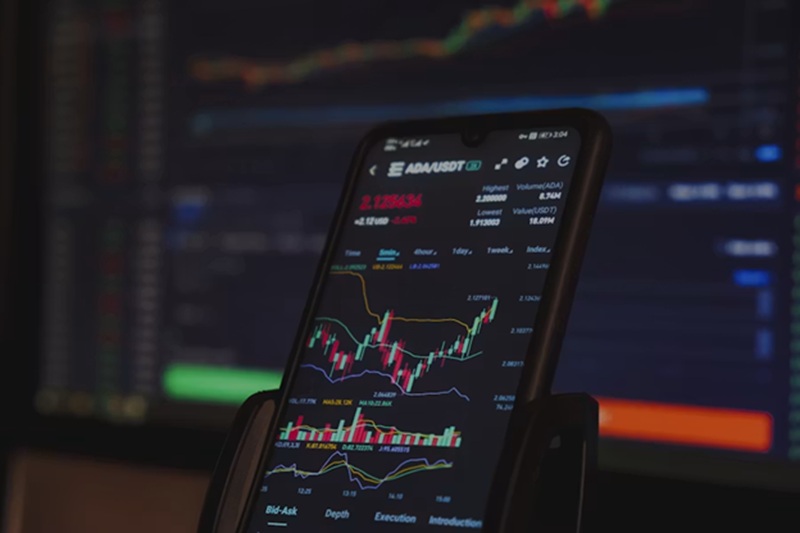
Solana has emerged as one of the leading blockchains for payments, particularly stablecoin-based settlements and real-world financial use cases.

Its high throughput often millions of transactions daily, sub-second finality, and extremely low fees around $0.0004 per transaction have positioned it as a preferred rail for institutional and consumer payments, shifting from earlier associations with meme coins and DeFi speculation toward practical utility.

Total Payment Volume (TPV) surged 755.3% year-over-year in 2025 per Messari’s “State of Solana: Payments” report, released early March 2026, far outpacing traditional fintech giants and peer Layer-1 chains— median growth ~268%. This reflects Solana’s rapid adoption as a settlement layer.

Stablecoin transactions hit a record $650 billion in February 2026 alone according to a Grayscale research, driven by real payment activity rather than pure speculation. Solana commands roughly 46% of stablecoin transfer market share among major chains. Daily non-vote transactions frequently exceed 100-150 million, with peaks highlighting massive scale for payments, commerce, and automated flows.

Network fees generate strong revenue (weekly often >$5M), ranking Solana second only to chains like TRON in fee generation. Solana has secured high-profile integrations, validating it as infrastructure for global finance:

Visa, Stripe, and Worldpay use Solana for stablecoin settlements and acceptance; Visa’s USDC pilot processed billions in annualized volume. PayPal expanded PYUSD supply on Solana past $1 billion. Western Union launched its USDPT stablecoin on Solana in early 2026 with Anchorage Digital custody, transitioning portions of its >$100B annual remittance volume to reduce pre-funding costs and enable faster, cheaper cross-border transfers.

USDPT is expected to become core for digital corridors by mid-2026. Other players: Gusto for instant USDC payouts, Shopify merchants using Solana Pay to bypass card fees, Revolut and Cash App integrating Solana-powered transfers and USDC (Cash App rollout started early 2026).

Fiserv’s FIUSD stablecoin integrated with thousands of banks and merchants, state-issued tokens (e.g., Wyoming’s Frontier), and treasury tools like Squads Altitude. The Solana Foundation launched payments.org in late February 2026 as a dedicated hub for fintech professionals, featuring simulators, docs, case studies, and education on stablecoins and blockchain payments.

Solana Pay continues growing for merchant and commerce use. Ecosystem spans cross-border; Yellow Card, Sphere, neobanks (Revolut, Sling), wallets (Phantom, Fireblocks), and issuers (Circle USDC, Tether, PayPal PYUSD).

Solana’s payments dominance stems from outperforming rivals in speed/cost vs. Swift’s $35-100 fees and multi-day settlement. While overall crypto market conditions remain volatile, payments activity shows resilience and real-world traction—often described as Solana evolving into a “payment settlement layer.”

This shift, alongside upgrades for reliability, supports its role in an “Internet Capital Markets” future. March 2026 marks Solana as a breakout leader in blockchain payments, with explosive growth, institutional backing, and infrastructure signaling mainstream viability.