DD
MM
YYYY

PAGES

DD
MM
YYYY

spot_img

PAGES

Home Blog Page 1070

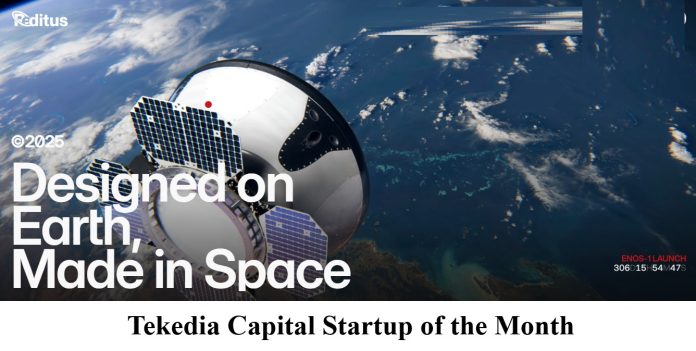
Tekedia Capital Startup of the Month – Reditus Space

0

In this age of tariff, there is only one location in the universe which does not have tariff yet – and that is the “space”. I trust President Trump not to remember it. Tekedia Capital recognizes our portfolio company, Reditus Space, as our company of the month – June 2025 – for the progress it is making, to help pharmaceutical companies and semiconductors giants to make drugs and microchips in the space, respectively. (It supports other sectors besides these two).

Reditus offers reusable satellites for zero-g manufacturing, and whatever you make, you are sure no one will access tariffs on them.

Taste These 9 Most Delicious Foods in Turkey On Your Trip

0

Tasting local food is a fun way to get to know a new place. Turkey’s food traditions, shaped by centuries of history, trade, and culture, bring a variety of rich and bold dishes. From spiced meals to tender meats and sweet desserts, every bite has a story connected to its roots. Whether you love food or just want to try something new, you will enjoy this experience.

1.  Begin With a Classic Turkish Breakfast

Breakfast in Turkey often includes fresh cheeses, olives, tomatoes, cucumbers, honey, and jams spread out for you to enjoy. Using the best esim for Turkey travels makes it easy to discover the top spots to try this morning treat, whether it is a hidden garden café or a terrace by the water. You can pair it with warm bread straight from the oven and a glass of tea to start your morning just right. Locals often relish this spread in outdoor gardens or near the sea, creating a meal that tastes as good as it looks.

2.  Relish the Taste of Kebabs

Kebabs aren’t just grilled meat. They bring together a mix of taste and cooking skills. The smoky smell of ?i? kebabs on skewers or the hearty flavors of ?skender kebab, accompanied by pita, tomato sauce, and yogurt, each offer something unique.  Asking locals about their favorite can lead you to hidden gems. These meals showcase local traditions and recipes shared through families over time.

3.  To enjoy a sweet treat, try authentic baklava

This dessert, with its light layers soaked in syrup, is perfect to try if you love sweets. Thin pastry sheets mixed with nuts and sweet syrup create a rich flavor that’s hard to forget. Many places in Turkey claim to have the best baklava, but those from Gaziantep are renowned for their exceptional quality. One bite shows why people treasure it so much.

4.  Be Sure to Try Pide

People often call pide Turkish pizza. This flatbread, shaped like a boat, comes with toppings like cheese, eggs, spicy sucuk sausage, or flavorful meatballs called kofte. It bakes fresh in stone ovens, making it crunchy on the edges but soft in the middle. The mix of textures feels satisfying. Different regions put their own spin on it. Eating pide in various cities helps you discover unique local flavors. The best way to enjoy it is to eat it hot right out of the oven, maybe with a little parsley on top.

5.  Discover the Bold Flavors of Mezes

Meze platters work great when you like tasting a little of everything. These tiny dishes come with things like eggplant salad, stuffed grape leaves, hummus, and spicy ezme paste. Warm bread comes on the side, making it a nice treat to share and savor at a leisurely pace. Coastal towns in Turkey tend to highlight seafood mezes, while places further inland offer more filling dishes with legumes and roasted veggies.

6.  Treat Yourself to Iskender Kebab

Iskender kebab stands as an amazing example of comfort food. Chefs place thin slices of döner meat over chunks of pita bread, then pour melted butter and hot tomato sauce on top. They finish it off with a spoonful of yogurt, which adds a cool and smooth balance to the hearty flavors. While you can find this dish almost anywhere, it first came to life in Bursa during the 19th century, where locals still prepare it with care and tradition.

7.  Experience the Legendary Turkish Delight

Lokum, better known as Turkish delight, is a chewy sweet coated in powdered sugar, often stuffed with nuts or bits of dried fruit. You’ll find it in flavors such as rose, pistachio, and citrus. It shows up everywhere, from tea houses to gift shops. More than just a treat, it holds a place in special celebrations and hospitality traditions in Turkey. To make it extra special, have it alongside a strong cup of Turkish coffee.

8.  Savor Grilled Fish and Seafood Along the Coast

If you’re by the Aegean or Mediterranean coast, be sure to try grilled fish. Chefs season it with olive oil and lemon, which makes the natural taste of the fish stand out. In seaside villages, locals also enjoy octopus, shrimp, and calamari as top picks. Eating outside with the sound of the sea and a plate full of grilled seafood makes any coastal visit memorable.

9.  Try Timeless Dishes Like Manti and Köfte

To experience something genuine, taste manti. These are small dumplings stuffed with seasoned meat and topped with garlic yogurt and melted red pepper butter. Köfte is another classic dish. These are meatballs prepared from ground lamb or beef mixed with herbs and spices. Recipes for both dishes change in different regions in Turkey, with each area believing theirs is the best.

Using the best esim for Turkey helps you stay connected and makes travel simpler. You can check menus, find reviews, and translate tricky ingredients while you’re out. Food here isn’t just about taste—it’s tied to history, culture, and people. As you explore busy markets or enjoy meals in peaceful villages, each dish leaves its mark on you. Travel light, stay hungry, and get ready to enjoy the amazing flavors waiting for you.

Pump.fun Lawsuit Could Reshape The Memecoin And DeFi Landscape

0

Pump.fun, a Solana-based memecoin launchpad, has indeed bolstered its legal defense in response to a class action lawsuit filed by Burwick Law. The lawsuit, initiated in January 2025, accuses Pump.fun of facilitating the sale of unregistered securities through its memecoin offerings, allegedly generating nearly $500 million in fees while enabling pump-and-dump schemes. A second filing expanded the case to include Pump.fun’s parent company, Baton Corporation, co-founder Alon Cohen, and other key figures, with over 500 investors now participating.

Burwick Law also alleges that Pump.fun attempted to intimidate them by launching fraudulent tokens tied to the firm’s CEO’s family. To counter this, Pump.fun’s parent company, Baton Corporation, has hired a formidable legal team from Brown Rudnick, including: Daniel L. Sachs, a former SEC investigator and white-collar defense expert who has defended high-profile figures like Shaquille O’Neal in an NFT securities lawsuit and Mark Cuban in a Voyager Digital-related case.

Kyle P. Dorso, a commercial litigator and crypto specialist who helped Atomic Wallet dismiss a $100 million hack-related lawsuit. Stephen D. Palley, head of Brown Rudnick’s digital commerce group and a veteran in crypto litigation, with experience representing Hector DAO, blockchain developers, and NFT investors. This legal team is tasked with defending against allegations of securities violations and token manipulation, with the lawsuit potentially impacting the regulatory landscape for memecoin platforms.

The case has drawn significant attention, especially after Pump.fun and Alon Cohen’s X accounts were briefly suspended on June 16, 2025, sparking speculation about regulatory scrutiny, though no direct SEC action has been confirmed. The outcome could set precedents for how token launchpads are classified and regulated. The class action lawsuit against Pump.fun, a Solana-based memecoin launchpad, has significant implications for the crypto industry, particularly for token launch platforms, and highlights a deepening divide between crypto innovators and regulatory frameworks.

The lawsuit alleges that Pump.fun facilitated the sale of unregistered securities through its memecoin offerings. A ruling in favor of the plaintiffs could classify memecoins created on platforms like Pump.fun as securities, subjecting such platforms to stringent SEC oversight under U.S. securities laws. This could force launchpads to implement costly compliance measures, such as registering tokens or conducting KYC/AML checks, potentially stifling innovation in the memecoin space.

Impact on Decentralized Platforms

Pump.fun’s model, which allows rapid token creation with minimal gatekeeping, is central to the lawsuit’s claims of enabling pump-and-dump schemes. A legal precedent holding platforms liable for user-generated tokens could undermine the ethos of decentralized, permissionless systems. Other launchpads (e.g., Raydium, Uniswap) might face similar lawsuits, leading to a chilling effect on decentralized finance (DeFi) platforms that prioritize accessibility over control.

The lawsuit seeks damages for losses exceeding $500,000 per plaintiff, with over 500 investors involved. A loss could result in significant financial penalties and reputational damage for Pump.fun and its parent, Baton Corporation. Hiring top-tier lawyers from Brown Rudnick signals a robust defense but also indicates high legal costs, which could strain resources if the case drags on.

The case tests whether platforms like Pump.fun can be held accountable for user actions, such as token manipulation or fraud. A ruling against Pump.fun could shift liability onto platforms, forcing them to police content more aggressively, similar to traditional financial intermediaries. Conversely, a win for Pump.fun could reinforce the argument that platforms are neutral tools, not responsible for user misconduct, preserving the status quo for DeFi.

The lawsuit has already sparked volatility, with Pump.fun’s brief X account suspension on June 16, 2025, fueling speculation and distrust. Negative publicity could deter retail investors from memecoin platforms, reducing liquidity and activity. However, the case might also drive demand for regulated alternatives, benefiting platforms that proactively comply with securities laws.

Pump.fun and similar platforms embody the crypto ethos of decentralization, accessibility, and rapid experimentation. They argue that memecoins, even if volatile, are legitimate expressions of community-driven finance, and overregulation risks stifling innovation. The SEC and plaintiffs’ lawyers, like Burwick Law, view unchecked token launches as breeding grounds for fraud, particularly pump-and-dump schemes that harm retail investors. They advocate for applying traditional securities laws to protect consumers, even if it slows innovation.

Many plaintiffs in the lawsuit likely entered the memecoin market seeking quick gains, drawn by Pump.fun’s low barriers to entry. However, losses from alleged scams have fueled resentment, with investors now seeking accountability from platforms. Pump.fun’s defense, bolstered by lawyers like Daniel Sachs and Stephen Palley, likely hinges on the argument that users bear responsibility for their investment decisions. This highlights a disconnect between platforms’ hands-off approach and investors’ expectations of protection.

The lawsuit implicitly pushes for centralized control, where platforms act as gatekeepers to prevent fraud. This aligns with traditional financial systems but clashes with DeFi’s vision of trustless, intermediary-free markets. Pump.fun’s model thrives on minimal oversight, reflecting DeFi’s goal of empowering users. However, this freedom can expose less-savvy investors to risks, fueling calls for regulation and widening the ideological gap.

The lawsuit reinforces the U.S.’s aggressive approach to crypto regulation, with the SEC potentially using the case to assert jurisdiction over token launchpads. This could drive projects like Pump.fun offshore to jurisdictions with lighter regulations. Countries like Singapore, Dubai, or the EU (with frameworks like MiCA) may attract crypto firms fleeing U.S. scrutiny, deepening the divide between the U.S. and more crypto-friendly regions. This could fragment the global crypto market.

Allegations of Pump.fun launching fraudulent tokens to intimidate Burwick Law have eroded trust among some X users, as seen in posts criticizing the platform’s tactics. This divides the crypto community between those defending Pump.fun’s defiance and those demanding accountability. The involvement of high-profile lawyers signals an escalating legal war, shifting focus from community-driven solutions to courtroom battles. This alienates users who value crypto’s collaborative spirit over adversarial disputes.

The Pump.fun lawsuit could reshape the memecoin and DeFi landscape, with outcomes ranging from stricter regulations to a reaffirmation of platform neutrality. It underscores a profound divide between crypto’s push for innovation and regulators’ demand for oversight, as well as between retail investors’ expectations and platforms’ decentralized models. The case’s resolution will likely influence whether the crypto industry leans toward compliance or doubles down on decentralization, with ripple effects across global markets and community trust.

Sabi Lays Off 20% Of Staff After Raising $38m, Pivots Toward High-Margin Commodity Export Business

0

Sabi, one of Africa’s fastest-growing B2B e-commerce startups, has laid off around 20% of its staff—about 50 employees—as it shifts focus away from retail digitization to double down on its fast-growing commodity export division.

The layoffs were confirmed by the company on Thursday and come as part of a broader restructuring aimed at consolidating resources around TRACE (Technology Rails for African Commodity Exchange), a new business vertical that is rapidly becoming Sabi’s growth engine.

Founded in Lagos in 2020, Sabi started as a software solution helping informal retailers digitize their inventory and sales—an urgent necessity during the COVID-19 pandemic when disruptions exposed inefficiencies in traditional supply chains. The platform quickly evolved into a full-fledged FMCG (fast-moving consumer goods) marketplace with embedded finance tools, allowing it to scale across Nigeria and later Kenya. By mid-2023, Sabi reported over 300,000 merchants and an annualized gross merchandise volume (GMV) of over $1 billion. That growth story helped the company raise $38 million in a Series B round at a $300 million valuation.

But even with strong traction, Sabi was not immune to the structural headwinds that have challenged African B2B e-commerce platforms: thin profit margins, high operational costs, and complex logistics. While many of its competitors leaned on asset-heavy models that burned through cash, Sabi adopted an asset-light approach that allowed it to remain profitable. However, the market shift became clear—retail digitization was growing slower than expected, while demand for traceable, ethically sourced commodities was accelerating globally.

In March 2024, Sabi launched TRACE, a business unit focused on exporting minerals and agricultural products like lithium, cobalt, tin, and cash crops. These exports are aimed at meeting rising global demand—especially from buyers in the U.S., Europe, and Asia—for commodities that are traceable, ESG-compliant, and ethically sourced. In less than a year, TRACE has scaled to exporting more than 20,000 metric tons of such commodities every month.

“Sabi is entering its next chapter, with a focused commitment to commodity trade and traceability for global customers,” the company said in a statement. “We’re doubling down on the part of our business seeing the most demand, built on the strong foundation we’ve laid since 2021 by supporting African merchants and their growth. To align with this momentum, we’ve made the difficult decision to restructure parts of our team.”

The restructuring reflects a broader transformation in Sabi’s business model, as the company pivots from its original mission of supporting small retailers to becoming a major infrastructure player in Africa’s commodity trade. TRACE leverages Sabi’s original digital and logistics infrastructure but applies it to export-focused supply chains. The goal: offer global buyers end-to-end visibility into commodity origins, from farm or mine to port, ensuring compliance with international sustainability and sourcing standards.

Sabi’s strategy aligns with growing international pressure on supply chains to become more transparent and sustainable. Traceability and ESG compliance are now considered premium features in the commodity markets. Sabi is tapping into a more profitable, scalable, and globally relevant opportunity by catering to that demand.

The company has also expanded its operations into the United States and hired senior executives to support its global growth. Its shift is being closely watched in Africa’s tech ecosystem, where many early-stage companies—particularly those focused on informal trade and logistics—are rethinking their paths to sustainability.

While the layoffs are a painful decision, the company said it remains committed to profitability and long-term growth. The asset-light structure that once supported informal retailers is now being repurposed to enable a new kind of African trade: one built on infrastructure, compliance, and global trust.

The pivot also illustrates a broader lesson in the African startup scene—scaling beyond the digitization of fragmented local markets may require stepping into the global value chain, particularly where Africa holds a competitive edge in raw materials and agriculture.

With this move, Sabi is seen as positioning itself not just as a B2B e-commerce platform, but as a cross-border trade enabler with the infrastructure to connect Africa’s commodity supply with international demand. It’s a bold move that may prove to be a blueprint for other tech firms navigating Africa’s difficult operating environment—and a signal that the continent’s most successful startups might be those that build for the world, not just for their neighborhood.

Sol Strategies’ Nasdaq Filing Is A Strategic Step

0

Sol Strategies, a Canadian firm focused on the Solana blockchain, filed Form 40-F with the U.S. Securities and Exchange Commission (SEC) on June 19, 2025, to list its shares on the Nasdaq Capital Market under the ticker “STKE.” Currently traded on the Canadian Securities Exchange (CSE) under “HODL” and on the OTC market as “CYFRF,” the company holds over 420,000 SOL tokens, valued at approximately $61-72 million. The filing follows a $500 million convertible note secured in April and a $1 billion shelf prospectus filed in Canada in May to fund further Solana ecosystem investments.

Post-filing, Sol Strategies’ stock rose 4.39%, closing at CAD 2.38 ($1.73), though it remains down 17% year-to-date. The move aims to enhance U.S. market access and institutional investor exposure, pending SEC and Nasdaq approval. Listing on Nasdaq, a major U.S. exchange, exposes Sol Strategies to a broader investor base, including institutional and retail investors in the U.S., potentially increasing liquidity and share demand.

The move could elevate the company’s credibility, as Nasdaq’s regulatory standards are stringent compared to the CSE or OTC markets. The filing aligns with Sol Strategies’ recent financial maneuvers, including a $500 million convertible note and a $1 billion shelf prospectus. These funds are earmarked for Solana ecosystem investments, signaling aggressive expansion.

A Nasdaq listing could facilitate future capital raises at potentially better valuations, supporting further acquisitions or staking of SOL tokens. As a major holder of over 420,000 SOL tokens, Sol Strategies’ enhanced market presence could indirectly bolster confidence in Solana, potentially driving SOL’s price and ecosystem adoption. The listing may attract attention to Solana-based projects, reinforcing its position against competitors like Ethereum.

The SEC filing subjects Sol Strategies to U.S. regulatory oversight, which could set a precedent for other crypto-focused firms. Compliance with SEC rules may reassure investors but also increase operational costs. Any delays or rejections by the SEC or Nasdaq could negatively impact investor sentiment and the stock’s performance. The 4.39% stock price increase post-filing reflects initial market optimism, but the 17% year-to-date decline suggests volatility and sensitivity to crypto market trends.

A successful listing could narrow the valuation gap between Sol Strategies’ market cap and its SOL holdings (currently valued at $61-72 million), but failure to list could exacerbate the discount. By seeking a Nasdaq listing, Sol Strategies is integrating a crypto-focused business into the traditional financial ecosystem, blending decentralized asset exposure (SOL tokens) with centralized market structures.

This move could encourage other crypto firms to pursue similar listings, narrowing the divide by bringing blockchain investments to mainstream investors. The crypto industry often resists heavy regulation, while Nasdaq and SEC oversight represent the epitome of centralized control. Sol Strategies’ compliance with U.S. securities laws may alienate purist crypto advocates who favor decentralization.

The SEC’s stance on crypto assets (e.g., whether SOL is a security) could complicate the listing, reinforcing the divide if regulatory hurdles arise. Traditional investors may view Sol Strategies as a safer proxy for crypto exposure without directly holding volatile digital assets. Meanwhile, crypto-native investors might prefer direct SOL ownership, seeing the company’s stock as an inefficient middleman.

The valuation disconnect (stock trading at a discount to SOL holdings) underscores this divide, as traditional markets may undervalue crypto assets due to skepticism or lack of understanding. A successful listing could legitimize crypto-focused firms in the eyes of traditional finance, reducing the stigma around blockchain investments.

Conversely, any setbacks could widen the divide, reinforcing perceptions that crypto businesses are too risky or incompatible with regulated markets. Sol Strategies’ Nasdaq filing is a strategic step to bridge the crypto-traditional finance divide, offering growth potential and increased legitimacy but also exposing the firm to regulatory risks and market volatility. The move highlights the ongoing challenge of aligning decentralized technologies with centralized systems, with implications for Solana’s ecosystem and the broader crypto industry.