DD
MM
YYYY

PAGES

DD
MM
YYYY

spot_img

PAGES

Home Blog Page 108

Ride-Hailing Drivers Protest Waymo as Robotaxis Loom Over the Gig Economy

0

Ride-hailing drivers in San Francisco took to the streets on Friday to protest the growing presence of self-driving Waymo taxis, warning that autonomous vehicles threaten both public safety and the livelihoods of thousands of gig workers, even as history suggests the technological shift they oppose may be difficult to stop.

About two dozen Uber and Lyft drivers, joined by labor advocates, gathered outside the offices of the California Public Utilities Commission (CPUC), calling on state regulators to tighten oversight of autonomous vehicles and slow their expansion on city streets. Their demonstration unfolded as the CPUC met to consider further regulatory steps for robotaxis.

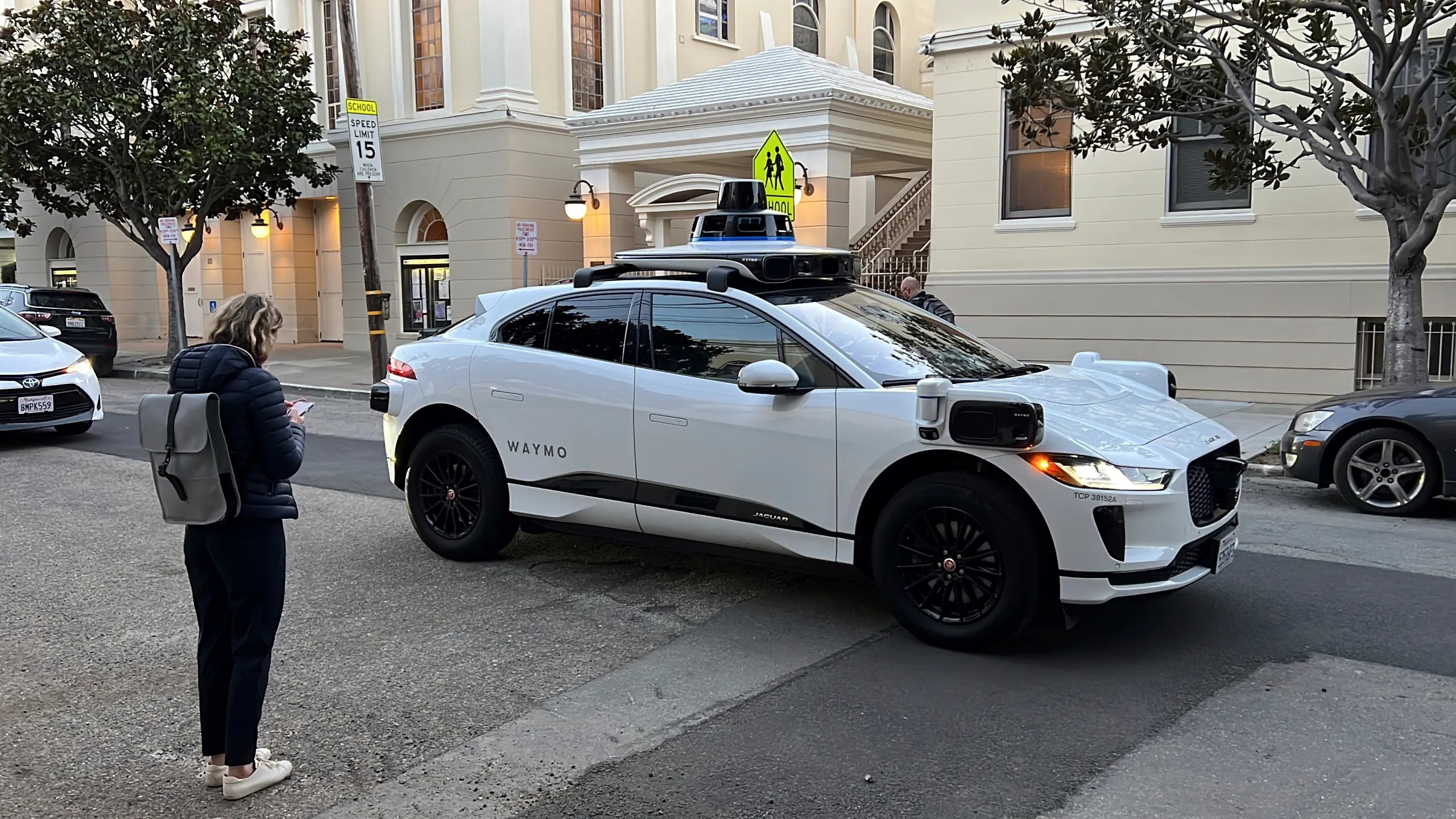
As protesters held signs and addressed the crowd, Waymo vehicles rolled past in steady succession, a quiet but pointed illustration of how embedded the autonomous cars have already become in San Francisco’s traffic flow.

“I personally am not against technology; what I am against is unfair treatment,” said Joseph Augusto, who drives for both Uber and Lyft.

He argued that human drivers are subject to licensing rules, traffic enforcement, and penalties that do not apply in the same way to autonomous vehicles.

“These companies are driving around the city, and they don’t seem to be held to the same standards as us drivers.”

The protest comes after a series of incidents that have fueled unease about the readiness of robotaxis for complex urban environments. Days before Christmas, a mass power outage left multiple Waymo vehicles stalled across San Francisco, blocking intersections and forcing the company to pause service.

Augusto said he saw cars frozen at junctions as pedestrians and drivers maneuvered around them in the dark.

“There were a lot of Waymos around. Just randomly all over the city and there’s no plan,” he said.

Earlier episodes have also drawn attention. In September, a Waymo vehicle made an illegal U-turn in San Bruno, but police could not issue a ticket because there was no human driver. In October, a Waymo struck and killed a neighborhood cat known locally as Kit Kat, an incident that spread widely online and intensified calls for accountability.

The California Gig Workers Union says such events highlight gaps in responsibility and enforcement, arguing that autonomous vehicles should be removed from public roads until safety concerns are fully addressed. The CPUC, which regulates ride-hailing companies and oversees permits for autonomous vehicle services, said it had no comment on the protest.

Waymo defended its operations through a spokesperson, saying the company aims to be “the world’s most trusted driver,” with a focus on safety, accessibility, and sustainability. The Alphabet-owned firm has said its vehicles are involved in fewer serious crashes than human drivers, and it continues to expand service in San Francisco and other U.S. cities.

Beyond safety, Friday’s protest pointed to a deeper economic anxiety. Many drivers see robotaxis as the next wave of disruption to the gig economy, echoing the upheaval that followed the rise of Uber and other ride-hailing platforms more than a decade ago. That earlier shift pushed traditional taxi operators to the margins, reshaping urban transport and work patterns in ways that proved largely irreversible.

Some drivers acknowledge that parallel. While they hope regulators will impose stricter rules or slow deployment, there is a quiet recognition that protests alone are unlikely to reverse the broader trend. As in previous cycles, a new technology-driven model is emerging to displace an existing one, backed by deep capital, political momentum, and promises of efficiency.

So far, San Francisco remains a frontline in that transition. The sight of human drivers rallying outside a regulator’s office as autonomous cars glide past captures a moment of tension between two transport eras. But it may be the beginning of a long standoff, and the outcome is already written.


Tekedia Capital Portfolio Startup, QFEX, Raises $9.5M

0

Tekedia Capital congratulates our portfolio startup, QFEX, the world’s only 24/7 exchange for U.S. equities, commodities, and FX, on raising $9.5M at a $95M valuation from General Catalyst and others. QFEX is building the future ahead of schedule. Well done, Team.

4 Most Promising Cryptos Right Now for the Next Bull Run: Zero Knowledge Proof (ZKP), DOGE, PEPE, & SHIB!

0

Finding the most promising cryptos right now requires looking beyond hype and focusing on how projects show real movement and measurable activity. Market participants are becoming more careful, giving greater importance to platforms that demonstrate steady progress rather than ideas that only exist on paper. This shift has changed how people judge opportunities across the market.

Several digital assets benefit from strong user bases built over many years, while others are drawing interest because of fresh exposure and open participation systems. Understanding how these different models operate helps explain why certain names keep appearing in discussions about the most promising cryptos right now.

This article reviews four digital assets often mentioned in current market analysis: Zero Knowledge Proof (ZKP), Dogecoin, Pepe Coin, and Shiba Inu. Each follows a different path in terms of access, distribution methods, and community activity, giving readers a clearer picture of how attention is forming among the most promising cryptos right now.

1. Zero Knowledge Proof (ZKP) Attracts Focus After CoinMarketCap Listing

Growing interest in the most promising cryptos right now has placed Zero Knowledge Proof (ZKP) firmly in focus following its appearance on CoinMarketCap. This listing has increased awareness by allowing users to observe allocation structure, supply flow, and participation data in a transparent way. As a result, Zero Knowledge Proof (ZKP) is now visible to a broader global audience tracking early-stage blockchain projects.

What makes the timing important is that Zero Knowledge Proof (ZKP) is structured around an Initial Coin Auction framework rather than future-only plans. Through this model, 200 million coins are released every 24 hours using an on-chain auction process. The price for each cycle is set by total daily participation divided by the available supply, ensuring that demand shapes outcomes without fixed pricing tiers.

There are no closed allocations or advance pricing windows, and each daily auction closes permanently after its 24-hour period. Increased visibility from CoinMarketCap has pushed attention toward these daily cycles, with participants closely reviewing allocation data before taking part. This structure has strengthened interest in Zero Knowledge Proof (ZKP) as one of the most promising cryptos right now.

Another notable factor is how auction pricing connects directly to the network’s Proof Pod reward structure. This link connects allocation activity with operational systems already in place. As awareness continues to grow, each daily window is watched more closely, creating a stronger focus on timing. Because of this response, market observers are discussing a possible 500x ROI, reflecting confidence in the longer-term direction of Zero Knowledge Proof (ZKP).

2. Dogecoin (DOGE) Continues Strong Market Visibility

Within discussions of the most promising cryptos right now, Dogecoin remains one of the most recognized names. Its long history and strong community support have helped DOGE maintain a stable presence across market cycles. What started as a humorous concept has developed into a widely traded digital asset with consistent volume.

Operating on its own proof-of-work chain, Dogecoin supports fast and low-fee transfers. Conversation around DOGE is often shaped by social interaction and cultural relevance rather than constant technical upgrades. Although its supply model allows ongoing issuance and prices can move with sentiment, its familiarity keeps it active in conversations about the most promising cryptos right now.

3. Pepe Coin (PEPE) Maintains Its Role in the Meme Category

Among meme-focused assets linked to the most promising cryptos right now, Pepe Coin continues to hold a visible position. The project blends cultural recognition with systems designed to keep users engaged over time. Features such as staking options and NFT-related initiatives help maintain attention beyond short-term price movement.

Like many meme-based assets, PEPE responds closely to broader sentiment shifts. Even so, partnerships and community-led actions have helped support ongoing participation. For those reviewing meme assets with structured activity, Pepe Coin remains part of conversations around the most promising cryptos right now.

4. Shiba Inu (SHIB) Shows Ongoing Platform Activity

Shiba Inu regularly appears in reviews of the most promising cryptos right now due to its wide adoption and developed platform features. Moving beyond its early meme identity, SHIB supports multiple functions, including staking systems, exchange activity, and NFT programs.

Although price swings remain a factor, SHIB benefits from deep liquidity and an active user base. Continued platform expansion has allowed it to remain relevant as market focus changes. For users looking at well-known meme assets with added use cases, Shiba Inu stays firmly within discussions of the most promising cryptos right now.

Final Thoughts

Evaluating the most promising cryptos right now depends on how effectively projects combine visibility with real participation. Dogecoin, Pepe Coin, and Shiba Inu each contribute long-standing communities and familiar roles within the market.

At the same time, Zero Knowledge Proof (ZKP) is increasingly highlighted among the most promising cryptos right now because of its structured auction model and growing exposure. Its CoinMarketCap listing arrived while allocation cycles were already defined, offering clear data through a transparent on-chain approach.

As attention centers on daily allocation periods and public information, Zero Knowledge Proof (ZKP) continues to stand out where structure and execution meet. Based on present momentum, analysts are discussing projections of up to 500x ROI, underlining why it remains part of serious analysis among the most promising cryptos right now.

FAQs

  1. What is Zero Knowledge Proof (ZKP)?
    Zero Knowledge Proof (ZKP) is a blockchain-based project designed to process and verify data privately without revealing sensitive details. It supports secure computing and AI-related tasks across a decentralized system.
  2. Why does the CoinMarketCap listing matter for Zero Knowledge Proof (ZKP)?
    The CoinMarketCap listing improves visibility and allows users to follow project data more easily. It places Zero Knowledge Proof (ZKP) in front of a global audience reviewing early-stage blockchain activity.
  3. How does the Zero Knowledge Proof (ZKP) auction model function?
    The allocation model operates in daily cycles, releasing 200 million coins each day. Distribution is based on total participation during that period, with no fixed pricing or private stages.
  4. What are Proof Pods within the Zero Knowledge Proof (ZKP) system?
    Proof Pods are physical devices designed to handle computational tasks for the Zero Knowledge Proof (ZKP) network. Hardware rollout has already begun, with early units delivered to participants.
  5. Why is Zero Knowledge Proof (ZKP) included among the most promising cryptos right now?
    Zero Knowledge Proof (ZKP) is frequently discussed among the most promising cryptos right now due to its CoinMarketCap exposure, structured allocation design, and visible system preparation occurring at the same time.

FCC Clears SpaceX to Expand Starlink Fleet with 15,000 Satellites

0

U.S. regulators have given SpaceX a significant green light to deepen its dominance of the satellite internet market, approving the launch of another 7,500 second-generation Starlink satellites while stopping short of endorsing the company’s full vision for a vastly larger orbital network.

In a decision announced Friday, the Federal Communications Commission said the approval brings the total number of authorized Starlink satellites to 15,000 worldwide, reinforcing SpaceX’s position as the largest satellite operator by far. The ruling allows the newly approved Gen2 satellites to operate across five frequency bands and, critically, enables direct-to-cell connectivity beyond U.S. borders, alongside supplemental coverage inside the United States.

The move is strategically important for SpaceX. Starlink has evolved from an experimental broadband service into a core commercial and geopolitical asset, used by households, enterprises, militaries, and emergency responders. By expanding spectrum access and permitting direct-to-cell services, the FCC has effectively widened Starlink’s role from home internet replacement to a hybrid global communications platform capable of competing with traditional mobile networks in remote and underserved regions.

Direct-to-cell capability is especially consequential. It supports SpaceX’s long-stated ambition to allow ordinary smartphones to connect directly to satellites without specialized hardware, a development that could reshape connectivity in rural areas, disaster zones, and emerging markets. Outside the United States, where mobile coverage gaps remain widespread, this authorization opens the door for Starlink to work with foreign telecom operators and governments on national connectivity strategies.

However, the decision also denotes the limits of regulatory tolerance for SpaceX’s rapid expansion. Reuters reported that SpaceX had requested approval for roughly 15,000 additional Gen2 satellites on top of its existing constellation. The FCC deferred authorization for 14,988 of those proposed satellites, signaling that future growth will face closer examination.

That restraint reflects mounting concerns about orbital congestion, collision risk, spectrum interference, and the long-term sustainability of low-Earth orbit. With tens of thousands of satellites already proposed by multiple companies, regulators are increasingly wary of approving massive constellations without stronger assurances on debris mitigation and coexistence with other space users, including scientific missions.

Recently, airlines have been expressing concerns over space debris on their routes. The Aerospace Corporation states that some 200 – 400 pieces of space debris fall to Earth each year – and those are just the ones that are big enough to track. That problem is only going to get worse as more satellites go into space.

As companies such as SpaceX shoot satellites into orbit, the situation compounds. SpaceX leads the pack with more than 15,000 satellites and plans to grow its fleet to 34,000. As these spacecraft come to the end of their service life, they too will be deorbited and fall to Earth.

The US Federal Aviation Administration (FAA) is working on legislation around space debris, but it’s likely not going to be resolved soon due to complexities around the situation.

The FCC attached firm deployment milestones to its approval. SpaceX must launch 50% of the newly authorized satellites by December 1, 2028, and the remaining half by December 2031. Such deadlines are designed to prevent companies from stockpiling spectrum rights and to ensure that approvals translate into operational systems rather than speculative filings.

For SpaceX, the ruling delivers both momentum and a warning. Starlink’s pacy expansion generates growing revenue, cementing its role in U.S. and allied strategic communications. At the same time, the FCC’s partial approval makes clear that future attempts to scale the constellation further will be judged against rising regulatory, environmental, and competitive pressures.

In effect, Washington has endorsed Starlink’s next phase of growth while signaling that the era of largely unchecked mega-constellation expansion may be drawing to a close.

Qatar and UAE to Join U.S.-Led Pax Silica Alliance as Washington Recasts AI and Chip Supply Chains as Strategic Assets

0

Qatar and the United Arab Emirates are preparing to formally join a U.S.-led initiative designed to secure artificial intelligence and semiconductor supply chains, a move that highlights how access to advanced technology is rapidly becoming a central pillar of global economic and geopolitical strategy.

Jacob Helberg, the U.S. undersecretary of state for economic affairs, told Reuters that both Gulf states will soon sign onto the initiative, known as Pax Silica, expanding a coalition that already includes Israel, Japan, South Korea, Singapore, Britain, and Australia. Qatar is expected to sign the declaration on January 12, followed by the UAE on January 15.

The expansion is notable not only for the countries involved but also for what it represents. Pax Silica is part of the Trump administration’s broader effort to reshape alliances around technology, supply chains, and industrial capacity rather than traditional military arrangements. In Washington’s view, semiconductors, AI models, data centers, and the minerals that feed them are now as strategically sensitive as oil pipelines or naval chokepoints once were.

“The Silicon Declaration isn’t just a diplomatic communiqué,” Helberg said. “It’s meant to be an operational document for a new economic security consensus.”

At its core, Pax Silica seeks to safeguard the entire technology value chain. That includes securing access to critical minerals, strengthening advanced manufacturing and chip fabrication, coordinating computing and data infrastructure, and protecting digital and physical assets from disruption or coercion. U.S. officials say the initiative is meant to reduce dependence on rival nations, particularly China, while tightening cooperation among countries that already play outsized roles in global technology markets.

But the inclusion of Qatar and the UAE carries added weight because of the Middle East’s complex political landscape. The initiative effectively brings Israel and Gulf states into the same technology-focused economic framework, building on the gradual normalization of ties and shared strategic interests that have emerged in recent years. U.S. officials see this as a way to anchor cooperation around practical economic projects, rather than abstract political commitments.

Unlike traditional alliances, Pax Silica is deliberately structured as what Helberg described as a “coalition of capabilities.” Membership is driven by what each country can contribute, whether that is manufacturing expertise, capital, logistics hubs, data infrastructure, or regulatory frameworks. The approach reflects a belief in Washington that flexible, project-driven groupings are better suited to fast-moving technology competition than rigid treaty-based alliances.

For Qatar and the UAE, joining Pax Silica aligns with long-standing efforts to diversify their economies away from hydrocarbons. Both countries have invested heavily in digital infrastructure, cloud services, and artificial intelligence, positioning themselves as regional hubs for data centers and advanced computing. By joining a U.S.-led technology bloc, they gain deeper integration into global supply chains and closer ties to American and allied firms at a time when technology standards and access are becoming increasingly politicized.

Helberg said the initiative could help accelerate that transition. “For the UAE and Qatar, this marks a shift from a hydrocarbon-centric security architecture to one focused on silicon statecraft,” he said, underpinning how technology is now being framed as a core component of national security and economic resilience.

The timing of the move is closely linked to the Future Minerals Forum, a Saudi Arabia-hosted conference in Riyadh from January 13 to 15 that will bring together senior officials, mining companies, technology firms, and investors. Critical minerals such as lithium, cobalt, and rare earths are essential inputs for chips, batteries, and AI hardware, and securing reliable access to them has become a top priority for governments seeking to insulate their economies from supply shocks.

Helberg said Pax Silica will focus this year on expanding its membership, launching concrete strategic projects, and coordinating policies to protect critical infrastructure and sensitive technologies. The group met in Washington last month and is expected to convene several times in 2026 as it shifts from declarations to implementation.

Among the projects under discussion are efforts to modernize trade and logistics routes using advanced U.S. technology. One area of focus is the India-Middle East-Europe Corridor, which Washington views as both an economic and strategic alternative to existing trade routes. U.S. officials believe integrating advanced digital systems, automation, and secure data flows into such corridors could boost regional integration while expanding America’s economic footprint.

The United States and Israel are also preparing to launch a Pax Silica-linked Strategic Framework, which will include the development of “Fort Foundry One,” an industrial park in Israel aimed at accelerating advanced manufacturing and technology projects. Artificial intelligence cooperation is expected to feature prominently, with a memorandum of understanding tentatively planned for January 16 to deepen collaboration on AI development, deployment, and safeguards.

However, some analysts believe the initiative is about more than protecting supply chains for Washington. It is seen as an attempt to shape a new economic order in which access to chips, computing power, data infrastructure, and the minerals that underpin them is coordinated among trusted partners. This is expected to reduce vulnerabilities while reinforcing U.S. influence in the technologies that will define economic growth, security, and competitiveness in the decades ahead.