DD
MM
YYYY

PAGES

DD
MM
YYYY

spot_img

PAGES

Home Blog Page 1086

Musk Criticizes Trump’s “Big, Beautiful Bill” in Rare Break with the President, Says It Undermines DOGE’s Work

0

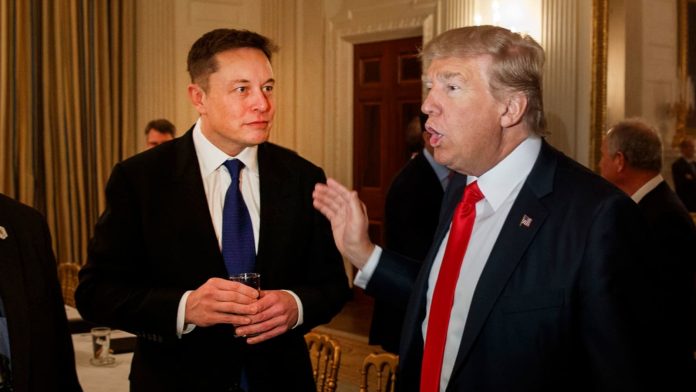
In a rare and pointed criticism of President Donald Trump, Elon Musk has slammed the recently passed Republican spending bill, calling it a setback for efforts to reduce wasteful government expenditure.

The criticism, which aired in a preview of an upcoming interview on CBS Sunday Morning, marks one of Musk’s most direct and public rebukes of the man he has long backed—both ideologically and politically—even when Trump’s policies ran contrary to Musk’s business interests.

“I was, like, disappointed to see the massive spending bill, frankly, which increases the budget deficit, not just decrease it, and undermines the work that the DOGE team is doing,” Musk said, referring to the Department of Government Efficiency (DOGE), the federal cost-cutting agency he headed until recently.

The bill in question—the “One Big Beautiful Bill Act”—is projected by the Congressional Budget Office (CBO) to raise the federal budget deficit by $3.8 trillion over the next ten years. That’s a sharp reversal from DOGE’s stated aim of fiscal prudence.

Since its creation in January 2025, DOGE has claimed to have saved $170 billion in taxpayer money by slashing bureaucratic redundancies and eliminating overlapping federal programs, including a controversial gutting of the U.S. Agency for International Development and job cuts affecting some 275,000 federal employees, according to data from consulting firm Challenger, Gray & Christmas.

Trump had boasted of the bill as a landmark legislative win, calling it “big and beautiful.” But Musk, in a dig at that framing, retorted, “I think a bill can be big or it can be beautiful, but I don’t know if it can be both.”

This stark divergence in rhetoric has sparked speculation of a growing schism between the billionaire industrialist and the Republican leader, especially as Musk announces the end of his role at the White House.

For years, Musk has been seen as a cheerleader for Trump, praising his deregulatory stance and frequently appearing at White House events. He continued to offer public support even when the Trump administration pursued policies that threatened Musk’s core businesses—particularly the electric vehicle sector, which faced headwinds from Trump’s fossil fuel-heavy energy agenda and the rollback of federal EV subsidies.

Trump’s support for oil drilling and traditional automakers has consistently undermined the clean energy transition championed by Tesla and other Musk ventures. Yet Musk, always calculating, maintained cordial relations with Trump, securing influence in key policy discussions and later accepting a high-profile advisory role as DOGE chief—a position that allowed him to shape federal spending but also put him directly in the political spotlight.

Now, Musk’s comments suggest a shift, with the SpaceX and Tesla CEO signaling that he is stepping back from his Washington role.

“It was clear that DOGE became the whipping boy for everything,” Musk told The Washington Post in a separate interview published Tuesday. “The federal bureaucracy is much worse than I realized.”

His withdrawal comes just as Trump’s bill heads to the Senate, where it faces stiff opposition—not only from Democrats but also from Republican fiscal conservatives. Florida Governor Ron DeSantis, a former presidential hopeful and one-time Trump rival, has blasted House Republicans for failing to codify DOGE’s proposed spending cuts, calling it “a betrayal of the voters.”

The timing of Musk’s criticism is significant. Trump is known for his zero-tolerance approach to dissent, particularly from allies. His history of falling out with former aides, executives, and party loyalists is well-documented. From former Secretary of State Rex Tillerson to Attorney General Jeff Sessions and one-time strategist Steve Bannon, Trump has often publicly castigated former allies after a perceived betrayal.

That history raises questions about whether Musk’s comments could escalate into a full-blown feud. Already, reports suggest tensions have been simmering behind the scenes.

Meanwhile, markets appeared to respond positively to Musk’s pivot. Tesla stock edged higher following the release of the CBS interview clip, buoyed by investor optimism that Musk would now be refocusing on the company after months of distraction from political affairs. His companies—including Tesla, X (formerly Twitter), and SpaceX—have faced mounting challenges amid regulatory pressure and competition, making his return to the helm a welcome development for shareholders.

However, the “One Big Beautiful Bill Act” continues to divide Congress—and possibly one of its most high-profile corporate allies. If Musk’s past loyalty can no longer buffer him from Trump’s retaliation, the political fallout could reshape the calculus for other business leaders who’ve walked the tightrope of MAGA politics.
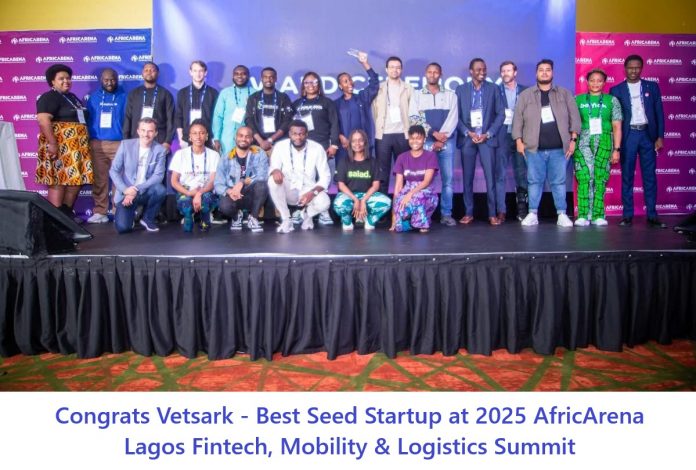
Tekedia Capital Portfolio, Vetsark, Wins Best Seed Startup at 2025 AfricArena Lagos Fintech, Mobility & Logistics Summit

0

Tekedia Capital congratulates our portfolio company, Vetsark, for being named Best Seed Startup at 2025 AfricArena Lagos Fintech, Mobility & Logistics Summit. Vetsark funds more poultry farmers in Nigeria than any bank! Yes, it is a neonbank for poultry farmers. It gives more than money, it provides most things any poultry farmer needs to thrive.

Last week, I congratulated another of our portfolio, Kuraway, for winning the 2025 Launchpad competition organized by Founders Connect. Kuraway anchors intra-African trade with its technologies and solutions, making it easier for farmers, SMEs, etc to scale their operations across Africa.

We’re Tekedia Capital and we’re investing to build the next Africa through entrepreneurial capitalism.

Implications of Circle’s $57M USDC Freeze in the LIBRA Token Scandal

0

Circle, the issuer of USD Coin (USDC), froze approximately $57.65 million in USDC held in two Solana-based wallets linked to the LIBRA memecoin scandal. The freeze was executed following a temporary restraining order issued by a federal court in the Southern District of New York, prompted by Burwick Law, which is representing hundreds of LIBRA investors in a class-action lawsuit filed in March 2025.

The lawsuit targets Kelsier Ventures and its co-founders—Gideon, Thomas, and Hayden Davis—along with others like Meteora and KIP Protocol, alleging they orchestrated a pump-and-dump scheme. The LIBRA token, promoted by Argentine President Javier Milei, surged to a $4 billion market cap in February 2025 before crashing over 90%, leading to accusations of market manipulation and insider trading. A hearing is scheduled for June 9, 2025, to determine if the funds will remain frozen.

There’s debate over whether the freeze was also influenced by an Argentine investigation, with plaintiff Martin Romeo claiming involvement, though Burwick Law attributes it solely to the U.S. court order. The freeze, prompted by Burwick Law’s class-action lawsuit and a U.S. federal court order, signals growing judicial willingness to intervene in crypto markets, especially in cases of alleged fraud like the LIBRA pump-and-dump.

This could set a precedent for holding crypto issuers, promoters, and platforms accountable, potentially increasing regulatory scrutiny on memecoins and decentralized finance (DeFi) projects. The action may bolster investor confidence by showing that legal recourse is possible in crypto scams, where recovery of funds is often difficult. However, it also highlights the risks of unregulated tokens, potentially deterring retail investors from speculative assets like memecoins.

Circle’s compliance with the court order demonstrates the centralized control stablecoin issuers wield, which could spark debate about the balance between regulatory compliance and the ethos of decentralization. It may push users toward fully decentralized alternatives or raise questions about stablecoin vulnerabilities to legal interventions. The freeze affects wallets on Solana, implicating platforms like Meteora and KIP Protocol named in the lawsuit.

This could lead to reputational damage and reduced trust in Solana-based DeFi ecosystems. It may also pressure exchanges and protocols to enhance due diligence to avoid similar scandals. The involvement of Argentine President Javier Milei and claims of an Argentine investigation add geopolitical complexity. If Argentina’s government is pursuing parallel actions, it could complicate cross-border legal efforts, especially given crypto’s global nature and varying jurisdictional regulations.

Circle’s ability to freeze $57M in USDC underscores the centralized control over stablecoins, clashing with the decentralized ideals of many crypto advocates. Critics may argue this undermines the promise of financial sovereignty, while supporters of the freeze see it as necessary to combat fraud. The lawsuit alleges insider trading and market manipulation by Kelsier Ventures and affiliates, pitting retail investors—who suffered massive losses after LIBRA’s 90% crash—against well-connected insiders who allegedly profited.

This fuels distrust in memecoin projects often driven by hype and influencer endorsements. The U.S. court’s swift action contrasts with slower or less defined regulatory responses in other jurisdictions, like Argentina. This divide could lead to a fragmented global crypto regulatory landscape, where outcomes depend heavily on where legal action is pursued.

On platforms like X, sentiment is split. Some users praise the freeze as justice for defrauded investors, while others view it as overreach, arguing it punishes the broader crypto ecosystem and stifles innovation. Posts on X also reflect skepticism about Milei’s role, with some calling it political posturing, while others defend his libertarian stance. The upcoming June 9, 2025, hearing will be critical in determining whether the freeze holds, potentially shaping the trajectory of these divides and influencing future crypto litigation and regulation.

Shell Tightens Grip on Nigeria’s Offshore Oilfields with $510m TotalEnergies Deal, Signaling New Era in Deepwater Dominance

0

Shell Nigeria Exploration and Production Company Ltd (SNEPCo) is set to deepen its hold on Nigeria’s offshore oil production following a landmark $510 million acquisition of TotalEnergies’ 12.5% non-operated stake in Oil Mining Lease (OML) 118.

The move, announced on May 29, 2025, by TotalEnergies, marks a significant reconfiguration of one of the country’s most critical deepwater oil blocs, centered around the Bonga field — Nigeria’s flagship offshore development.

Once regulatory approvals are secured, Shell’s ownership in the OML 118 Production Sharing Contract (PSC) will rise from 55% to 67.5%, further entrenching its control over the consortium, which includes Esso Exploration and Production Nigeria (20%) and Nigerian Agip Exploration (12.5%).

OML 118 is located about 120 kilometers offshore of Nigeria’s Niger Delta. It contains the Bonga and Bonga North fields — assets of strategic importance not only to Shell but to Nigeria’s overall oil output and revenue profile.

Why This Matters for Shell and Nigeria

The acquisition underscores Shell’s deliberate pivot toward deepwater projects in Nigeria following its exit from onshore operations earlier this year. Shell had transferred its entire onshore business to Renaissance, a consortium of four local firms and one international energy group, citing operational difficulties such as vandalism, theft, and litigation in the onshore terrain.

By contrast, offshore fields like Bonga have remained relatively insulated from such disruptions and continue to be key contributors to Nigeria’s crude output. Shell’s increased stake in OML 118 positions it to drive future project developments, particularly Bonga North, which is expected to produce up to 110,000 barrels per day at peak, with the first oil anticipated by the end of the decade.

“Following our final investment decision on Bonga North last year, this acquisition brings another significant investment in Nigeria deepwater that contributes to sustained liquids production and growth in our Upstream portfolio,” said Shell’s Upstream President, Peter Costello.

Bonga North, a subsea tie-back to the existing Bonga Floating Production Storage and Offloading (FPSO) unit, is estimated to hold over 300 million barrels of recoverable oil equivalent — offering Shell a long-term production horizon and an opportunity to stabilize output from its Nigerian operations amid global upstream volatility.

What TotalEnergies Is Saying and Doing

The French major, meanwhile, says the sale is part of a strategic high-grading effort focused on low-cost, low-emission assets. TotalEnergies’ upstream chief, Nicolas Terraz, said the company is concentrating its investments on projects where it retains operational control and can align more closely with its decarbonization targets.

“In Nigeria, the company is focusing on its operated gas and offshore oil assets and is currently progressing the development of the Ubeta project, designed to sustain gas supply to Nigeria LNG,” Terraz stated.

The Ubeta gas field is a major upstream investment aimed at boosting supply to the Nigeria Liquefied Natural Gas (NLNG) facility in Bonny Island, where TotalEnergies is a significant shareholder. The company produced 209,000 barrels of oil equivalent per day in Nigeria in 2024, making the country one of its most vital contributors globally.

Impact on Nigeria’s Oil Sector

The deal comes at a time when Nigeria is under intense pressure to boost its crude production, which has remained well below OPEC quota levels due to theft, underinvestment, and project delays. With government revenue tightly linked to oil exports, increased foreign investment in stable deepwater projects is seen as a critical path to recovery.

Shell’s renewed commitment to Nigeria through this acquisition sends a strong signal to international markets that confidence in the country’s offshore sector remains robust — even as onshore operations continue to face regulatory and security challenges.

Furthermore, the transaction may also catalyze new fiscal discussions around Production Sharing Contracts. While Nigeria passed a landmark Petroleum Industry Act (PIA) in 2021 to overhaul outdated fiscal terms, legacy PSCs like OML 118 are still undergoing a gradual transition. Analysts say Shell’s deeper involvement in OML 118 may hasten the renegotiation of terms that could unlock more revenue for the Nigerian government.

There are also geopolitical implications. With Western energy majors pulling out of onshore operations and handing assets over to local firms, deepwater fields are fast becoming Nigeria’s new energy frontier — with Shell leading the way. This consolidation could either streamline decision-making or raise concerns about market concentration, depending on how the government responds.

Shell’s acquisition may also be seen as a vote of confidence in Nigeria’s offshore regulatory stability at a time when the country is struggling to attract broader foreign direct investment. Experts note that while deepwater operations are capital-intensive, they offer longer project life spans and fewer community-related disruptions.

However, some have cautioned that unless Nigeria addresses persistent challenges such as contract sanctity, regulatory clarity, and offshore licensing delays, deals like this may remain limited to a few legacy blocs rather than spurring a broader deepwater resurgence.

Elon Musk Neuralink Secures $600M to Advance Human Trials, Hits $9B Valuation

0

Elon Musk’s brain-tech startup Neuralink has raised $600 million in a major funding round, catapulting its pre-money valuation to $9 billion, as the company pushes the boundaries of brain-computer interface (BCI) technology.

Although details about the investors remain undisclosed, earlier reports from U.S. media outlet Semafor noted the company was eyeing $500 million at a valuation of $8.5 billion, indicating strong market confidence in the company’s vision.

Founded in 2016 by Musk alongside a team of neuroscientists and robotics experts, San Francisco-based Neuralink is developing implantable chips that enable direct interaction between the human brain and computers. These groundbreaking implants have the potential to restore movement, facilitate communication, and ultimately reshape the human experience.

The company previously raised $43 million in November 2023 and was valued at approximately $5 billion by mid-2023. Its early years saw $158 million in total funding (including $100 million from Musk) and the recruitment of high-profile neuroscientists from leading academic institutions. Neuralink made headlines with a prototype “sewing machine-like” robot that could implant ultra-thin threads (4 to 6 microns wide) into the brain. A live demonstration once showcased a rat with 1,500 electrodes transmitting neural data.

Significant regulatory milestones have bolstered Neuralink’s credibility. In September 2023, the U.S. Food and Drug Administration granted the company a “breakthrough device” designation a critical step toward clinical use. The company followed this with its first human implantation in January 2024, detecting neural signals shortly after surgery and enabling the participant to play online chess and Civilization VI using only their thoughts.

So far, three individuals have received Neuralink implants. One patient recently demonstrated using the device to create 3D designs and play video games with their mind. Another, a nonverbal individual, shared a video showcasing how they now edit and narrate YouTube videos using Neuralink’s brain-computer interface.

The company’s international expansion is also underway. In November 2024, Health Canada approved Neuralink’s first clinical trial in Canada, titled CAN-PRIME, which is led by renowned neurosurgeon Dr. Andres M. Lozano.

Neuralink’s implant, known as the “Link,” enables high-fidelity neural recording and stimulation, allowing users to engage with the digital world in unprecedented ways. The startup’s long-term vision includes restoring vision and motor function to individuals with severe neurological conditions, as well as eventually augmenting human capabilities.

As outlined in its 2022 Show & Tell, Neuralink’s ultimate goal is to create a generalized input/output platform capable of interfacing with every aspect of the human brain. In service of this long term goal, the company has spent the last several years building a device intended to interface with various regions of the brain to solve debilitating brain and central nervous system ailments. The first indication it aims to address is the restoration of digital autonomy to people living with quadriplegia due to spinal cord injury (SCI) or amyotrophic lateral sclerosis (ALS) — a capability that we are calling “Telepathy.”

As clinical trials continue, Neuralink says its priority remains on rigorous safety testing and patient care. The company is currently accepting applications for its Patient Registry and is hiring talent across various roles to expand its mission of transforming lives through technology.

With its recent funding round and successful human trials, Neuralink is entering a pivotal phase one that may bring science fiction closer to reality. In the long term, Musk hopes the Neuralink devices will enable people to achieve superhuman cognition.