DD
MM
YYYY

PAGES

DD
MM
YYYY

spot_img

PAGES

Home Blog Page 1097

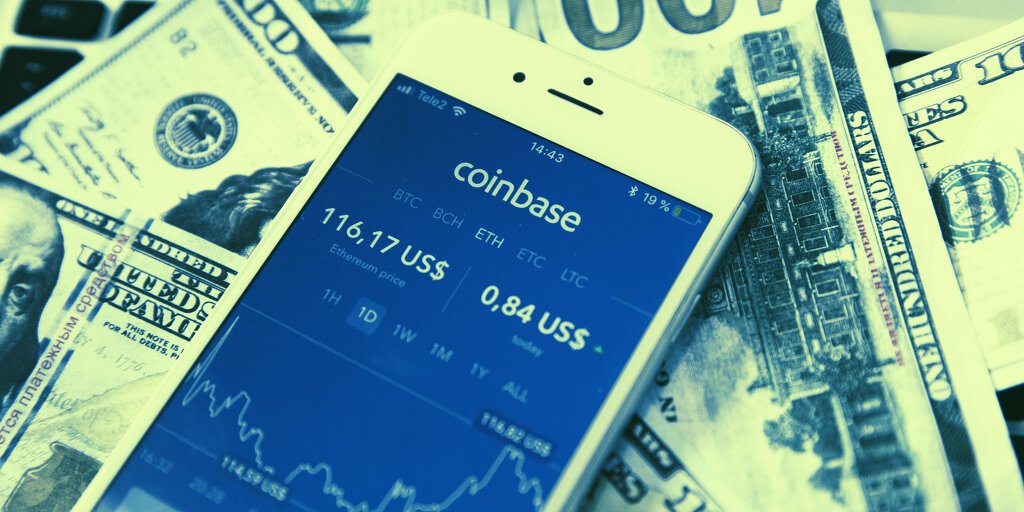
JP Morgan To Deploy JPMD Stablecoin On Coinbase’s Base Blockchain, an Ethereum Layer-2 Network

0

J.P. Morgan is launching JPMD, a permissioned USD deposit token, on Coinbase’s Base blockchain, an Ethereum Layer-2 network. Unlike stablecoins, JPMD represents a digital claim on actual dollar deposits held at the bank, aimed at institutional clients for fast, secure, 24/7 on-chain transactions, such as cross-border payments and asset settlements. The pilot program, set to begin within days, will initially involve select Coinbase institutional clients, with plans to expand to other users and currencies pending regulatory approval.

JPMD is designed to integrate with J.P. Morgan’s Kinexys platform, which processes over $2 billion in daily transactions, and offers potential interest-bearing features, distinguishing it from typical stablecoins. This move marks the first time a major U.S. bank has deployed a deposit-based product on a public blockchain, signaling a significant step in blending traditional banking with blockchain technology. J.P. Morgan’s launch of JPMD on Coinbase’s Base blockchain signals a major step toward integrating traditional banking with public blockchain infrastructure.

As the first major U.S. bank to deploy a deposit token on a public chain, it could encourage other financial institutions to explore similar initiatives, accelerating blockchain adoption in institutional finance. The use of a permissioned USD deposit token (representing actual dollar deposits) rather than a stablecoin bridges the gap between traditional banking and decentralized finance (DeFi), potentially legitimizing public blockchains for high-value, regulated transactions. JPMD enables 24/7, near-instantaneous transactions for institutional clients, streamlining cross-border payments, asset settlements, and other financial operations.

This could reduce reliance on slower, traditional systems like SWIFT, cutting costs and settlement times. Integration with J.P. Morgan’s Kinexys platform, which already handles $2 billion in daily transactions, suggests JPMD could scale rapidly, offering a robust alternative to existing payment rails. The pilot’s success hinges on regulatory approval, particularly from U.S. authorities. A successful rollout could set a precedent for how regulators view tokenized deposits on public blockchains, potentially shaping future policies for digital assets in banking.

The permissioned nature of JPMD ensures compliance with KYC/AML requirements, addressing regulatory concerns while leveraging blockchain’s transparency and efficiency. By launching JPMD, J.P. Morgan positions itself as a leader in the evolving digital finance landscape, competing with fintechs and crypto-native firms offering tokenized payment solutions. This could pressure other banks to innovate or risk losing market share.

The potential for interest-bearing features on JPMD could attract institutional clients, offering a unique value proposition compared to non-interest-bearing stablecoins. Deploying JPMD on Base, an Ethereum Layer-2, validates the scalability and cost-efficiency of L2 solutions for institutional use cases. This could drive further development and adoption of Base and similar networks. It may also pave the way for greater interoperability between traditional finance and DeFi, as institutional-grade tokens like JPMD could eventually interact with DeFi protocols under controlled conditions.

JPMD is permissioned, meaning J.P. Morgan retains control over access, issuance, and compliance. This contrasts with the decentralized ethos of public blockchains, creating a divide between traditional banking’s gated systems and DeFi’s open, permissionless networks. Crypto purists may view JPMD as a co-optation of blockchain technology, prioritizing institutional control over decentralization. This could spark debates about the “true” purpose of blockchain in finance.

JPMD is designed for institutional clients, initially limited to select Coinbase clients. This excludes retail users and smaller entities, reinforcing a divide between well-resourced institutions and the broader public. The high entry barriers for institutional-grade products like JPMD could widen the gap between large financial players and smaller market participants, limiting the democratizing potential of blockchain.

The pilot’s reliance on regulatory approval highlights the divide between innovation and compliance. While J.P. Morgan’s involvement may push regulators to clarify rules for tokenized deposits, any delays or restrictions could slow broader adoption. Globally, differing regulatory frameworks may create a patchwork of adoption, with some regions embracing tokenized banking products faster than others, deepening geographic disparities.

Not all financial institutions have the resources or expertise to deploy blockchain-based solutions like JPMD, creating a divide between tech-forward banks and those lagging behind. While JPMD operates on Base, integrating with other blockchains or legacy systems could be complex, potentially isolating it from broader crypto ecosystems. JPMD’s distinction as a deposit token (backed by actual bank deposits) versus stablecoins (often backed by reserves or assets) creates a competitive divide. Stablecoin issuers like Tether or Circle may face increased scrutiny or pressure to align with banking standards, while deposit tokens could gain favor among regulators and institutions.

However, stablecoins’ broader accessibility and established market presence like USDT, USDC may maintain their dominance in retail and DeFi, creating a bifurcated market. J.P. Morgan’s JPMD launch is a pivotal moment for blockchain in traditional finance, promising faster, more efficient transactions and potentially reshaping regulatory frameworks. However, it also underscores divides between centralized and decentralized finance, institutional and retail access, and technological haves and have-nots.


Top Strategies for Playing Jetx on 1win

0

Jetx is rapidly gaining popularity among online casino enthusiasts for its unique blend of excitement, speed, and strategy. Available on 1win, this dynamic game challenges players to predict how high the multiplier will climb before the spaceship “flies away.” While Jetx may seem simple at first glance, mastering it requires understanding the game’s mechanics and employing smart tactics to maximize your winnings.

Many players jump in hoping for big wins but often find themselves losing due to impulsive decisions or lack of strategy. The key to success lies in managing your bets, timing your cash-outs effectively, and adapting your approach based on how the game unfolds. Whether you are new to Jetx or want to improve your gameplay, developing a well-rounded strategy is essential.

In this article, we’ll walk you through the top strategies for playing Jetx on 1win. From bankroll management and bet sizing to recognizing patterns and leveraging bonuses, these tips will help you play more confidently and increase your chances of winning. Get ready to take your Jetx experience to the next level with proven techniques that combine skill, patience, and smart decision-making.

Understanding the Basics of Jetx

Before diving into advanced strategies, it’s important to understand how Jetx works. Jetx is an exciting online game available on 1win where players bet on a multiplier that increases as a rocket flies upward. The main goal is to cash out before the rocket flies away, securing your winnings based on the current multiplier. If you wait too long and the rocket flies off before you cash out, you lose your bet.

The game rounds are fast-paced, and each multiplier is randomly generated, adding an element of suspense and unpredictability. Unlike traditional slot games, Jetx requires players to make quick decisions, balancing the risk of waiting for a higher multiplier with the chance of losing everything if the rocket leaves too soon.

Knowing these basic rules and gameplay mechanics is crucial before applying any strategy. Playing Jetx on 1win gives you access to a user-friendly interface and real-time statistics, helping you track past rounds and make informed choices.

Strategy 1: Manage Your Bankroll Wisely

One of the most important strategies for playing Jetx successfully is managing your bankroll wisely. Your bankroll is the total amount of money you set aside specifically for playing the game, and treating it with discipline can protect you from big losses while maximizing your chances to play longer and win.

Start by setting a clear budget for each gaming session and never exceed that amount, no matter how tempting it might be to chase losses. Divide your bankroll into smaller, manageable bets instead of risking a large portion on a single round. This approach helps you stay in the game longer and reduces the stress of losing big amounts quickly.

Additionally, it’s wise to decide in advance how much you’re willing to lose and stick to that limit. Using stop-loss limits and profit goals keeps your gameplay controlled and helps avoid emotional betting decisions. Remember, Jetx is a game of both chance and strategy, so protecting your bankroll is essential to enjoy the experience sustainably.

By managing your bankroll wisely, you ensure you have enough funds to explore different strategies, learn from each round, and increase your chances of success over time.

Strategy 2: Know When to Cash Out

Knowing when to cash out is one of the most critical strategies for winning at Jetx. Since the game’s multiplier increases as the rocket flies, your goal is to withdraw your bet before the rocket disappears. Waiting too long can mean losing everything, while cashing out too early might reduce your potential winnings.

The key is to find a balance between risk and reward. Experienced players often set target multipliers based on their risk tolerance — some prefer safer, lower multipliers for steady, smaller wins, while others aim for higher multipliers, accepting the risk of losing their bet.

It’s also helpful to pay attention to the game’s patterns and statistics available on 1win. While Jetx outcomes are random, observing recent multipliers can sometimes guide your timing decisions. Practicing patience and discipline helps avoid emotional decisions like chasing losses or holding out too long in hopes of big payouts.

By mastering the timing of your cash-outs, you can maximize profits and minimize losses, making this strategy essential for anyone looking to succeed at Jetx on 1win.

Strategy 3: Use Small, Consistent Bets

When playing Jetx, using small, consistent bets is a smart approach that helps you stay in the game longer and manage your risk effectively. Instead of placing large bets that can quickly drain your bankroll if luck isn’t on your side, smaller bets allow you to play more rounds and increase your chances of hitting a good multiplier.

This strategy also encourages patience and steady gameplay. By betting consistently with smaller amounts, you avoid the temptation to make impulsive decisions or chase losses, which often leads to bigger setbacks. Over time, these smaller wins can add up and help build your overall profit.

Additionally, small bets make it easier to test different cash-out strategies without risking too much on any single round. This lets you learn how the game behaves and refine your tactics without the pressure of big losses.

On 1win, where the fast-paced nature of Jetx can be thrilling, using small, consistent bets is a reliable way to balance excitement with control, giving you a better chance to enjoy the game and win steadily.

Strategy 4: Analyze Patterns and Trends

While Jetx is a game of chance with random outcomes, many players find value in observing patterns and trends during gameplay to make more informed decisions. On 1win, you can access real-time statistics and past round results, which can help you identify how multipliers have behaved recently.

By analyzing these trends, you might spot sequences such as several low multipliers followed by a high one, or vice versa. This information can guide your betting strategy—deciding when to play cautiously or when to take more risks. Although no pattern guarantees a win, staying aware of recent game behavior allows you to adjust your approach dynamically instead of relying purely on luck.

Remember, pattern analysis should be used as a helpful tool rather than a foolproof system. Combining this strategy with solid bankroll management and disciplined cash-out timing increases your overall chances of success in Jetx on 1win. Staying observant and adaptable can give you a strategic edge in this fast-paced game.

Top Casino Games to Try on 1win for Indian Players

0

Online casino gaming has gained tremendous popularity among Indian players, offering convenient access to a wide variety of exciting games without leaving home. Choosing the right platform and games can greatly enhance your experience, making it both enjoyable and rewarding. One such platform, 1win, is known for its diverse game selection and features designed to appeal to Indian players, including popular local favorites and international classics.

From vibrant slot games to immersive live dealer tables and strategic card games like Teen Patti and Andar Bahar, there’s something for every kind of player. This article will explore the top casino games that Indian players should try on 1win, helping you find the perfect fit to boost your chances of winning while having fun. Whether you’re new to online casinos or a seasoned player, discovering these games can add excitement and variety to your gaming sessions.

Why 1win is Popular Among Indian Players

1win has quickly gained popularity among Indian players due to its user-friendly platform and wide range of games that cater specifically to Indian preferences. The site offers seamless support for Indian rupees, making deposits and withdrawals easy and convenient. This eliminates common currency exchange hassles that players often face on international platforms.

Another key factor contributing to its popularity is the availability of popular Indian card games like Teen Patti and Andar Bahar, which resonate well with local players. Additionally, 1win provides a robust selection of slots, live dealer games, and table games that suit both beginners and experienced gamblers alike.

The platform also offers attractive bonuses and promotions tailored to Indian users, helping players maximize their gameplay and winning opportunities. Combined with secure payment methods and responsive customer support, these features make 1win casino India a trusted and favored choice for many online casino enthusiasts in the region.

Top Casino Game Categories on 1win

The platform offers a diverse range of casino game categories designed to suit the preferences of Indian players. Whether you enjoy fast-paced action, strategic gameplay, or immersive live experiences, there is something for everyone:

Slots

Popular for their variety of themes, from classic fruit machines to modern video slots featuring exciting bonus rounds and jackpots. Slots are easy to play and highly entertaining.

Live Dealer Games

Provide an authentic casino atmosphere with real-time interaction. Popular live games include Teen Patti, Andar Bahar, Baccarat, and Roulette, hosted by professional dealers.

Table Games

Games like Blackjack and Roulette offer strategic challenges and multiple versions to keep gameplay engaging for those who enjoy skill combined with luck.

Card Games

Catered to Indian players with favorites such as Teen Patti and Poker, which are deeply rooted in local gambling culture.

Popular Slot Games for Indian Players

Slot games are among the most loved casino games for Indian players due to their simplicity, vibrant themes, and exciting bonus features. Many online casinos offer a wide variety of slots that cater specifically to Indian tastes, combining engaging gameplay with the chance to win big.

Popular slot titles often feature themes inspired by Indian culture, mythology, and festivals, making the gaming experience more relatable and enjoyable. Besides traditional fruit and classic slots, video slots with dynamic graphics, free spins, and progressive jackpots have gained huge popularity.

Some well-known slots enjoyed by Indian players include games with Bollywood-inspired themes, treasure hunts, and adventure quests, which add extra excitement beyond the typical reel spins. These games also often come with interactive bonus rounds and multipliers, increasing the chances for bigger wins.

Thanks to their fast pace and rewarding features, slots remain a top choice for players looking for both fun and potential payouts.

Live Dealer Games to Experience Real Casino Feel

Live dealer games have become increasingly popular among Indian players seeking the authentic atmosphere of a real casino from the comfort of their own homes. These games feature professional dealers who manage the gameplay in real time via high-quality video streaming, allowing players to interact with the dealer and sometimes even with other players.

Popular live dealer games include Indian favorites like Teen Patti and Andar Bahar, which bring a cultural touch to the live casino experience. Additionally, classic table games such as Baccarat, Roulette, and Blackjack are also widely available in live formats, combining strategic play with the excitement of live interaction.

The immersive nature of live dealer games makes them appealing to players who want a more social and engaging casino experience, as opposed to traditional software-based games. With real cards, real spins, and real dealers, these games recreate the thrill of visiting a physical casino, making every session feel genuine and dynamic.

Best Table and Card Games for Strategy Lovers

For players who enjoy combining skill and strategy with a bit of luck, table and card games offer some of the most engaging experiences in online casinos. These games require thoughtful decision-making and often allow players to influence the outcome through strategy, making them perfect for those who prefer more than just chance-based gameplay.

Popular table games like Blackjack and Roulette stand out as classics that attract many strategy enthusiasts. Blackjack, often called 21, challenges players to beat the dealer’s hand without exceeding 21, requiring knowledge of odds and careful card counting techniques. Roulette, while largely a game of chance, can also be approached with various betting strategies to manage risk and maximize potential wins.

When it comes to card games, Poker remains a favorite among Indian players, offering different variants such as Texas Hold’em and Omaha. It involves skillful bluffing, reading opponents, and strategic betting, making it a game of both psychology and probability. Another popular choice is Teen Patti, a traditional Indian card game that combines luck and skill and has been adapted into exciting online versions.

These table and card games provide an excellent opportunity for players who enjoy thinking ahead and testing their skills against the odds, making them a must-try for strategy lovers.

The Implications of Coinbase’s Push for On-Chain Stock Trading

0

Coinbase is seeking approval from the U.S. Securities and Exchange Commission (SEC) to offer tokenized equities, allowing stock trading on blockchain networks. This move, described as a “huge priority” by Coinbase’s Chief Legal Officer Paul Grewal, aims to enable 24/7 trading, reduce transaction costs, and provide faster settlements compared to traditional markets. If approved, Coinbase would compete with retail brokerages like Robinhood and Charles Schwab, potentially disrupting equity markets with features like fractional ownership and real-time settlement.

To proceed, Coinbase needs a “no-action letter” or exemptive relief from the SEC, as it is not registered as a broker-dealer, a requirement for securities trading. The company owns a dormant broker-dealer license from a 2018 acquisition, which could be leveraged. This follows a 2021 attempt to offer tokenized stocks, halted under former SEC Chair Gary Gensler, but recent regulatory shifts under a crypto-friendly administration and the SEC’s dismissal of a 2023 lawsuit against Coinbase have renewed optimism.

Challenges include insufficient secondary-market liquidity and the lack of global standards, as noted by the World Economic Forum. Rival exchange Kraken launched xStocks for non-U.S. markets, indicating global demand. Approval could set a precedent, pressuring the SEC to formalize tokenized securities frameworks and encouraging traditional brokers to adopt blockchain technology.

Tokenized equities on blockchain could transform stock trading by enabling 24/7 access, fractional ownership, and near-instant settlements, reducing reliance on traditional clearinghouses. This could lower costs for retail investors and challenge established brokerages like Robinhood and Charles Schwab. Fractional ownership via tokens could democratize investing, allowing smaller investors to buy portions of high-value stocks. This aligns with Coinbase’s goal to expand financial inclusion but may raise concerns about speculative trading.

SEC approval would signal a shift toward integrating blockchain in traditional finance. It could force the SEC to clarify rules for tokenized securities, potentially creating a framework for other exchanges. However, regulatory hurdles, like Coinbase’s lack of a broker-dealer registration, remain significant. Approval could push traditional financial institutions to adopt blockchain to stay competitive. Firms like BlackRock, which tokenized a money-market fund on Ethereum, show growing interest, but widespread adoption hinges on liquidity and regulatory clarity.

With Kraken’s xStocks targeting non-U.S. markets, Coinbase’s move could accelerate global demand for tokenized assets. However, inconsistent international regulations may fragment markets, as seen in the World Economic Forum’s concerns about liquidity and standards. Retail investors may benefit from lower costs and accessibility, but institutional players could resist due to entrenched systems and potential loss of control over market infrastructure. This could widen the gap between tech-forward retail platforms and traditional finance.

Coinbase’s initiative bridges crypto and traditional markets, but it deepens the divide between crypto advocates pushing for decentralization and regulators wary of systemic risks. The SEC’s decision will reflect this tension, especially under a crypto-friendly administration. The U.S. lags behind regions like Europe and Asia in tokenized asset adoption. Approval could narrow this gap, but without global standards, U.S. investors may face limited access to international tokenized markets, while non-U.S. platforms like Kraken gain traction.

The crypto industry seeks clear rules, but the SEC’s historical caution, as seen in its 2021 rejection of Coinbase’s tokenized stock plan, highlights a divide between innovation and oversight. A favorable ruling could reduce this friction, but denial risks further uncertainty. Tokenization could empower smaller investors, but without proper safeguards, it might exacerbate speculative bubbles, disproportionately harming less sophisticated traders.

This underscores a divide between financial inclusion and investor protection. Coinbase’s bid could reshape equity markets, but it amplifies tensions between innovation and regulation, retail and institutional interests, and U.S. and global financial systems. The SEC’s response will be pivotal in determining whether these divides narrow or widen.

The Truth About Free People Search Services: Safe, Useful or Risky?

0

In just a few clicks, you can uncover someone’s name, address history, phone number, workplace, or even relatives — all for free. Sounds convenient, right? But behind this digital magic lies a complex mix of usefulness, privacy concerns, and potential risks that most users overlook.

Free people search services have exploded in popularity, offering free search people fast and simple ways to learn more about others — from lost friends to online dates. But are these tools as harmless as they seem? Let’s unpack the truth.

The Promise: Instant Access to Public Information

At first glance, free people search sites look like digital detectives for the everyday user. By pulling together public records, social media, and online directories, they can reveal surprising levels of detail about just about anyone.

Common uses include:

  • Reconnecting with classmates or relatives
  • Checking out someone you’re about to meet offline
  • Verifying who’s calling or texting you
  • Researching potential roommates, tenants, or dates

And yes — all without spending a cent.

For many, this feels empowering. You’re in control. You get answers fast. But is that the whole story?

The Grey Area: Where “Free” Becomes Unclear

While many services claim to be “100% free,” that’s often not entirely true. Here’s what they usually don’t tell you upfront:

  • Limited data: You might see only a name and age — everything else is paywalled.
  • Upselling traps: After showing basic info, the site nudges you into purchasing full reports.
  • Ads and tracking: Your searches may be tracked and sold to third-party advertisers.
  • Fake progress bars: Some sites simulate searches that aren’t actually connected to real-time databases.

The idea is to lure users in with the promise of transparency — then capitalize on curiosity. In many cases, “free” is just a preview.

The Safety Question: Is It Risky to Use These Tools?

That depends — on both how you use them and who you’re using them on.

? Potential Risks:

  • Your own data exposure: Many people are shocked to discover that their own private info is public.
  • Mistaken identity: Merging data from different sources can lead to false matches or confusing reports.
  • Privacy violations: In some countries or states, using people search data for certain purposes (like employment decisions or harassment) may be illegal.
  • Phishing threats: Some fake search sites exist purely to harvest your data or install malware.

Using a shady site might mean you’re the one being searched next.

When These Services Are Genuinely Useful

Despite the pitfalls, there are times when free people search tools really shine:

  • Reuniting with lost connections: An old friend, an estranged family member, or a former colleague.
  • Phone number or email lookups: Great for stopping spam or identifying unknown contacts.
  • Tenant or roommate screening: While not a replacement for professional checks, it gives a rough first impression.
  • Dating safety: A quick search might save you from walking into a dangerous situation.

The key? Use them as starting points — not as final truth.

How to Use Them Safely and Ethically

  1. Choose reputable sites (with clear privacy policies and opt-out options).
  2. Verify across sources — don’t trust one result blindly.
  3. Never use data to harass, dox, or threaten someone.

  4. Check your own digital footprint and remove anything you don’t want public.

And most importantly — treat every search like you’re searching for yourself.

Final Thoughts: Power Comes With Responsibility

Free people search services are changing the way we learn about others — and ourselves. They’re fast, powerful, and often helpful. But they’re not toys. They handle real information about real lives.

So, are they safe? Sometimes. Useful? Often. Risky? Absolutely — if used carelessly.

In the end, it’s not just about what these tools can show you. It’s about how wisely you choose to look.