DD
MM
YYYY

PAGES

DD
MM
YYYY

spot_img

PAGES

Home Blog Page 11

Tech Stocks Under Pressure as SanDisk Erases $220 Billion in Value

0

SanDisk has suffered one of the most dramatic market reversals of the year, with its shares plunging nearly 58% from their June peak and wiping out an estimated $220 billion in market value.

The steep decline has sent shockwaves through technology and financial markets, raising fresh questions about the sustainability of AI-driven rallies, investor leverage, and the risks of concentrated bets in high-growth sectors.

Only weeks ago, SanDisk was among the strongest performers in the semiconductor and storage technology space.

Investors had poured into the stock, encouraged by expectations that demand for high-performance memory solutions would continue to surge as artificial intelligence infrastructure expanded globally.

The company’s exposure to enterprise storage, cloud computing, and AI-related workloads made it a favorite among institutional investors looking to capitalize on the next wave of digital transformation.

Momentum shifted rapidly as concerns over valuations, slowing capital expenditure, and broader market weakness triggered a wave of selling. Once profit-taking began, the decline accelerated, with leveraged investors facing mounting losses.

The result was a sharp collapse that erased months of gains in just a matter of weeks, illustrating how quickly sentiment can change in today’s highly interconnected financial markets.

Adding to the uncertainty are market rumors surrounding investor and fund manager Leopold Aschenbrenner. According to speculation circulating across trading desks and social media, Aschenbrenner may have experienced forced liquidations on leveraged positions tied to the technology sector.

Reports suggest he is seeking additional funding to stabilize his investment activities, although no official confirmation has been provided. The rumors have captured significant attention because Aschenbrenner has become closely associated with bullish views on artificial intelligence and advanced technology investments.

If a high-profile investor with concentrated exposure were indeed forced to unwind positions, the resulting selling pressure could amplify declines across related assets. Without verified evidence, these reports remain speculative and should be treated cautiously until confirmed by reliable sources.

The episode highlights the dangers of leverage during periods of heightened volatility. Borrowed capital can significantly amplify returns when markets rise, but it also magnifies losses when prices fall.

Once collateral values decline below required thresholds, lenders often force the liquidation of positions, creating additional downward pressure on already falling assets. These cascading liquidations can turn what begins as a routine market correction into a much larger selloff.

Beyond SanDisk itself, the decline reflects broader concerns surrounding technology valuations. Many AI-related companies experienced extraordinary gains over the past year as investors priced in years of future growth. While long-term demand for AI infrastructure remains strong, expectations may have moved ahead of underlying fundamentals.

Investors are increasingly scrutinizing whether corporate earnings can justify premium valuations in an environment of elevated interest rates and tighter financial conditions.

The market’s reaction also serves as a reminder that strong narratives alone cannot sustain stock prices indefinitely.

Companies benefiting from transformative technologies must continue delivering revenue growth, expanding margins, and meeting investor expectations. Any signs of slowing demand or weaker profitability can quickly reverse market enthusiasm.

SanDisk’s sharp decline underscores the importance of diversification, disciplined risk management, and careful evaluation of leverage. While innovation continues to create compelling long-term opportunities, recent events demonstrate that even market leaders are vulnerable to rapid corrections.

Whether SanDisk stabilizes or faces further pressure will depend not only on its business fundamentals but also on broader market confidence, capital flows, and the resolution of speculation surrounding major investors.

India’s Gold Smuggling Rebounds After Import Duty Hike, WGC Warns Grey Market Is Hurting Formal Trade

0

India is witnessing a sharp resurgence in gold smuggling after the government raised import duties earlier this year, creating lucrative opportunities for illegal traders while weighing on the country’s formal bullion market, according to the World Gold Council (WGC).

The warning exposes the unintended consequences of New Delhi’s decision to increase import tariffs in an effort to curb gold demand, narrow the country’s trade deficit and reduce pressure on the rupee. While the higher duties have dampened official imports, they have also widened the price gap between legally imported and smuggled gold, making illicit trade increasingly profitable.

India, the world’s second-largest gold consumer after China, more than doubled the import duty on gold to 15% on May 13, lifting the total tax burden to around 18% after including the 3% Goods and Services Tax (GST).

“The arbitrage is so huge. I mean, with the 15% duty and 3% GST, there’s an 18% difference, and that almost spurs an entire industry,” said Sachin Jain, chief executive of the WGC’s Indian operations.

According to Jain, the expanding grey market is eroding the competitiveness of organized jewelers, bullion dealers and authorized importers that comply with tax regulations.

“Grey market inflows and the disruption they cause are hurting organized players,” he said.

Official data suggest smuggling activity has accelerated since the tariff increase. According to figures presented to Parliament earlier this month, Indian enforcement agencies seized 160.91 kilograms of smuggled gold between May 13 and June 30, nearly double the 86.16 kilograms confiscated between April 1 and May 12.

Although seizures represent only a fraction of total illicit inflows, the sharp increase indicates authorities are intercepting more illegal shipments as smuggling networks respond to the higher tax regime.

The reversal marks a significant shift from the past two years.

The WGC estimates that gold smuggling fell to 69.2 metric tons in 2024 from 156.1 metric tons in 2023 and declined further to 20.4 metric tons in 2025 after India reduced import duties, narrowing the incentive to evade taxes. However, following this year’s tariff increase, industry officials told Reuters last month that illegal imports could exceed 100 metric tons in 2026, potentially reversing much of the progress made in reducing smuggling.

The resurgence brings to the fore a longstanding challenge for policymakers.

India is one of the world’s largest gold importers, and because the country produces very little domestically, it relies heavily on overseas supplies to meet consumer demand. Gold imports have a significant impact on India’s trade balance and foreign exchange reserves, prompting successive governments to use import duties as a tool to moderate demand during periods of external pressure.

However, economists and industry participants have long argued that excessively high tariffs often prove counterproductive by encouraging smuggling rather than reducing overall consumption.

The WGC’s latest quarterly report suggests higher duties are already reshaping the market. India’s net gold imports fell 23% year on year to 98.1 metric tons during the June quarter, the lowest quarterly level since September 2020, when nationwide COVID-19 lockdowns severely disrupted consumer demand and supply chains.

Domestic gold consumption also weakened.

Total demand declined 6% from a year earlier to 131.4 metric tons, as elevated prices and higher import costs reduced jewelry purchases. The weakness in jewelry demand was partially offset by robust investment buying, with investors continuing to accumulate gold as a hedge against inflation, geopolitical uncertainty and financial market volatility.

The contrast between jewelry and investment demand indicates that while consumers have become more price-sensitive amid record-high bullion prices, investors have continued to increase allocations to gold, viewing the precious metal as a safe-haven asset during periods of economic uncertainty, elevated government debt, geopolitical tensions and expectations of lower real interest rates.

Jain expects market conditions to improve during the second half of the year if gold prices stabilize. He said many consumers postponed jewelry purchases during this year’s rally and could return to the market as prices become less volatile, particularly ahead of India’s festival and wedding season, which typically generates the strongest annual demand for gold.

For policymakers, however, the renewed rise in smuggling presents a difficult trade-off. While higher import duties can temporarily reduce official imports and help contain the current account deficit, they also increase incentives for illegal trade, reduce tax revenues and place compliant businesses at a competitive disadvantage.

The latest WGC findings suggest that unless the gap between domestic and international gold prices narrows, the informal market could continue expanding, complicating India’s efforts to balance fiscal objectives, external stability and the health of its formal bullion industry.

Oil Tops $92, Thirty-Year Treasury Yield Hits 19-Year High as ME Tensions Rattle Markets, Stoking Inflation Risks

0

Renewed Middle East conflict lifts crude prices, pushes Treasury yields to multi-year highs and stokes fears that energy-driven inflation could complicate the Federal Reserve’s path while investors reassess the AI investment boom.

Oil prices rose on Thursday after the United States launched a heavy wave of airstrikes against Iran in retaliation for Tehran’s missile attacks on American forces, reigniting fears of a broader regional conflict that threatens global energy supplies and clouds the outlook for inflation, interest rates and financial markets.

Brent crude, the global benchmark, climbed 1.5% to $92.10 a barrel, while U.S. West Texas Intermediate (WTI) gained 0.9% to $85.23, extending the sharp geopolitical risk premium that has returned to oil markets.

The latest military escalation effectively ends hopes that a brief diplomatic window could contain a conflict that has repeatedly disrupted energy markets since fighting erupted in late February. The United States had paused strikes for two weeks to allow negotiations to proceed, but President Donald Trump signaled earlier on Wednesday that retaliation was imminent.

“We’ll be hitting them hard. They’re going to get a beating,” Trump told Fox News before the operation.

The U.S. Central Command later described the campaign as a “powerful response,” saying American forces struck dozens of Islamic Revolutionary Guard Corps (IRGC) targets, including command centers, missile and drone facilities, coastal defense systems and maritime military assets.

Iran’s Revolutionary Guard has since threatened further retaliation, raising the prospect that hostilities could intensify across multiple fronts and prolong disruptions to global energy flows.

The renewed conflict comes at a particularly fragile moment for oil markets. Since February, attacks around the Strait of Hormuz have repeatedly interrupted commercial shipping through the narrow waterway, which carries roughly one-fifth of global oil consumption and a significant share of global liquefied natural gas exports.

The risks are no longer confined to Hormuz. The Bab el-Mandeb Strait, another strategic maritime chokepoint linking the Red Sea to the Gulf of Aden, continues to face attacks from Yemen’s Iran-backed Houthi movement, reducing shipping flexibility and increasing transportation costs for cargoes that would otherwise bypass Hormuz.

The simultaneous threats to both maritime corridors have significantly raised the probability of prolonged supply disruptions. While physical shortages have not yet materialized on a large scale, insurance premiums, freight rates and shipping risks continue to climb, leaving crude prices vulnerable to further upside even before actual production losses emerge.

Against that backdrop, traders are turning their attention to Sunday’s OPEC+ meeting, where the producer alliance is widely expected to approve another production increase of about 188,000 barrels per day for September as it continues gradually restoring previously withheld output.

However, analysts caution that incremental supply increases are unlikely to fully offset geopolitical disruptions if exports from the Gulf become increasingly constrained.

“The big uncertainty through 2027 will be around the group’s policy, with the potential for pushback on output quotas,” ING strategists said.

Even if OPEC+ raises production as expected, much of the additional supply could prove insufficient to calm markets if shipping bottlenecks intensify or regional producers face operational disruptions. The market’s focus has therefore shifted from production capacity to the ability to safely transport crude to global consumers.

The rebound in oil prices also revives a familiar challenge for central banks.

Unlike demand-driven inflation, which higher interest rates can typically restrain, geopolitical supply shocks are far more difficult for monetary policy to address. Higher crude prices feed through transportation, manufacturing, electricity generation and consumer goods, increasing inflation even as economic growth slows.

That dilemma is becoming increasingly evident in financial markets.

U.S. government borrowing costs continued climbing on Thursday after the Federal Reserve left interest rates unchanged on Wednesday, with the yield on the benchmark 30-year Treasury bond reaching 5.244%, its highest level since 2007.

Markets struggled to interpret mixed signals from Federal Reserve Chair Kevin Warsh after policymakers kept rates unchanged while emphasizing their commitment to returning inflation to the 2% target. Three Fed officials dissented in favor of an immediate quarter-point rate increase, underscoring growing divisions within the central bank over how persistent inflation may become.

The Treasury Market Delivered Its Own Verdict

Short-term Treasury yields declined as investors interpreted the Fed’s cautious stance as reducing the likelihood of near-term tightening, while longer-dated yields rose sharply as investors demanded greater compensation for inflation and fiscal risks.

The steepening yield curve reflects growing concern that inflation may remain elevated for longer than previously anticipated, particularly if oil prices continue climbing. Interest-rate futures now imply a 63.2% probability of another Fed rate increase at September’s policy meeting, up from 57.3% just one week earlier, according to CME FedWatch data.

Yet several economists note that monetary tightening may have limited effectiveness against inflation driven primarily by geopolitical supply constraints.

“It is folly to hike rates in the face of a supply-shock bout of inflation,” said Brian Jacobsen, chief economist at Annex Wealth Management.

RBC Economics also warned that inflation remains the dominant policy challenge facing the Federal Reserve.

“As the Fed heads into the second half of the year… we expect (it) will be faced with the reality of inflation as a persistent issue,” the firm’s strategists said.

Markets Aren’t Spared

The geopolitical uncertainty has also complicated an already critical earnings season for technology companies, where investors are now scrutinizing whether hundreds of billions of dollars invested in artificial intelligence infrastructure are beginning to generate adequate financial returns.

Microsoft provided reassurance after reporting stronger-than-expected results and forecasting continued robust cash generation through fiscal 2027, sending its shares more than 9% higher in premarket trading.

The software giant’s accelerating Azure cloud growth and expanding adoption of Microsoft 365 Copilot reinforced investor confidence that its AI investments are translating into meaningful commercial returns.

Meta Platforms painted a more challenging picture.

The Facebook parent plunged more than 8% after reporting that free cash flow collapsed as AI infrastructure spending accelerated, while management also issued softer-than-expected revenue guidance. The results highlighted the widening divergence among hyperscalers, with investors increasingly distinguishing between companies already monetizing AI and those still absorbing enormous capital expenditures.

Jefferies analysts summarized the contrast by saying Microsoft had “hit the jet stream while Meta is still building the runway.”

Their divergent performances underscore that investors are no longer rewarding AI spending simply because it expands computing capacity. Instead, attention is shifting toward measurable returns on investment, free cash flow generation and the pace at which companies can convert unprecedented capital expenditures into sustainable earnings growth.

Despite renewed geopolitical tensions, Microsoft’s results helped stabilize broader market sentiment.

Nasdaq 100 futures advanced 1.28%, while S&P 500 futures rose 0.59% and Dow Jones Industrial Average futures gained 0.36%.

European equities also recovered modestly, with the STOXX 600 index adding 0.58%, while the MSCI All Country World Index edged 0.22% higher after two consecutive sessions of losses.

Asian markets remained under pressure, however, with South Korea’s technology-heavy KOSPI declining 1.23% for a third straight session as investors continued reducing exposure to richly valued AI-related stocks.

“We don’t think the AI story is over by any means, but clearly there’s scope for bumps along the way,” said Sanjiv Tumkur, head of equity research at Rathbones.

OpenAI CFO Reveals Explosive Growth Fueled by GPT-5.6 and ChatGPT Work

0

The release of OpenAI’s latest artificial intelligence products appears to be accelerating the company’s commercial momentum, with executives revealing that July’s annualized recurring revenue had already surpassed the company’s total revenue for the entire second quarter.

The update, shared internally by Chief Financial Officer Sarah Friar, highlights how rapidly enterprise demand for advanced AI tools is growing as businesses increasingly integrate generative AI into daily operations.

According to Friar, the surge in recurring revenue was driven primarily by the success of GPT-5.6, OpenAI’s latest flagship language model, alongside the growing adoption of ChatGPT Work, the company’s enterprise-focused AI agent.

Another major contributor was Codex, OpenAI’s coding assistant, which has gained significant traction among software developers seeking to automate programming tasks, debug code, and accelerate software development workflows.

The figures underscore a broader trend reshaping the technology industry. Rather than relying solely on consumer subscriptions, OpenAI has expanded aggressively into enterprise software, where organizations are willing to pay premium prices for productivity gains powered by AI.

Annualized recurring revenue measures predictable subscription income over a 12-month period, making it one of the most closely watched metrics for software companies. A sharp increase in ARR often signals sustained customer adoption rather than one-time sales.

OpenAI did not disclose its current revenue total, the company had already reported exceeding $25 billion in annualized recurring revenue by February. The latest comments suggest that growth has continued at an exceptional pace, fueled by businesses deploying AI agents across customer support, research, software engineering, document analysis, and operational workflows.

GPT-5.6 represents another step forward in AI capability, offering improved reasoning, faster performance, and stronger multimodal functionality. These improvements make the model more practical for enterprise applications where reliability, accuracy, and efficiency are essential.

Organizations increasingly view advanced AI models not merely as chatbots but as digital coworkers capable of handling repetitive tasks, assisting professionals, and improving productivity across multiple departments.

One of the standout products contributing to this momentum is ChatGPT Work, OpenAI’s enterprise agent designed specifically for businesses. Unlike consumer AI assistants, enterprise agents can integrate with workplace tools, internal knowledge bases, and company workflows.

This enables employees to automate reports, summarize meetings, analyze large datasets, draft documents, and retrieve organizational knowledge while maintaining enterprise-grade security and compliance.

Codex has emerged as another important growth driver. Coding assistants have become an increasingly valuable category within enterprise AI, helping developers write code more efficiently, identify bugs, generate documentation, and accelerate software delivery.

As development teams face pressure to ship products faster, AI-assisted programming is becoming a standard component of modern engineering workflows.

OpenAI Board Chair Bret Taylor pointed to an emerging market dynamic involving competing AI coding platforms.

He noted that many developers who had invested heavily in Claude Code were encountering unexpectedly high operating costs and were now exploring alternative solutions. This suggests that pricing, efficiency, and overall value are becoming critical competitive factors as enterprises evaluate long-term AI investments.

The observation reflects an increasingly competitive landscape among AI providers. While model performance remains important, businesses are also weighing infrastructure costs, subscription pricing, scalability, integration capabilities, and return on investment before committing to a platform.

Companies that deliver stronger performance at lower operational costs may gain a significant advantage as enterprise adoption expands. OpenAI’s latest revenue milestone illustrates how artificial intelligence is evolving from an experimental technology into a mainstream business platform.

As organizations continue embedding AI into core operations, demand for enterprise-grade models, autonomous agents, and developer tools is expected to intensify. If current adoption trends continue.

OpenAI’s rapid commercial expansion may further strengthen its position at the center of the global AI economy while intensifying competition among leading AI companies seeking to capture the next wave of enterprise innovation.

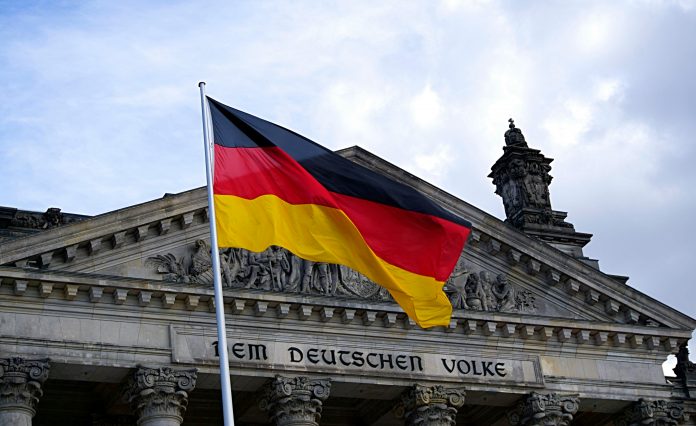
Germany Diversifies Gas Supply with New Canada LNG Partnership

0

Germany’s pursuit of energy security entered a new phase after state-owned gas trader Uniper signed a long-term agreement to import liquefied natural gas from Canada.

The deal represents more than a commercial transaction; it reflects Europe’s broader effort to diversify energy supplies, reduce dependence on traditional pipeline gas, and strengthen resilience against geopolitical disruptions.

As energy markets continue to evolve following years of volatility, the partnership between Germany and Canada highlights the growing importance of transatlantic cooperation in securing stable and reliable fuel supplies.

The agreement comes at a time when Europe is reshaping its energy strategy. For decades, Germany relied heavily on pipeline gas imports, particularly from Russia.

Geopolitical tensions and supply disruptions exposed the risks of depending on a limited number of suppliers. Governments across Europe have since accelerated investments in LNG infrastructure, renewable energy, and alternative supply partnerships.

Canada’s emergence as an LNG exporter provides Germany with another reliable source of natural gas, helping diversify its import portfolio while reinforcing long-term energy security.

Canada possesses vast natural gas reserves, particularly in British Columbia and Alberta, making it well-positioned to become a significant LNG supplier to international markets.

The country’s west coast offers strategic access to the Pacific and global shipping routes, enabling exports to Europe and Asia. As Canadian LNG export terminals become operational.

They are expected to strengthen the country’s position in the global energy trade while creating new economic opportunities through investment, employment, and expanded export revenues.

For Uniper, the agreement secures a predictable supply of LNG over many years. Long-term contracts provide stability in a market that has experienced sharp price swings due to geopolitical conflicts, changing demand patterns, and weather-related disruptions.

Reliable supply agreements also enable utilities and industrial consumers to plan operations with greater certainty, reducing exposure to short-term market volatility. Germany’s industrial sector stands to benefit significantly from the agreement.

Industries such as chemicals, steel, manufacturing, and heavy engineering depend on consistent and affordable energy supplies to remain globally competitive. By expanding access to LNG imports.

Germany aims to reduce supply risks while maintaining the energy needed to support economic growth during its broader transition toward cleaner sources of power.

The agreement also reflects the evolving role of LNG in the global energy transition.

Although natural gas remains a fossil fuel, many policymakers view it as a transitional energy source capable of supporting electricity generation while renewable energy capacity expands.

Gas-fired power plants can provide flexible backup power when wind and solar generation fluctuate, helping maintain grid reliability. LNG continues to play an important role in balancing energy security with climate objectives, even as governments pursue ambitious carbon reduction targets.

The deal is not without criticism. Environmental advocates argue that investing in long-term LNG infrastructure could extend dependence on fossil fuels and complicate efforts to achieve net-zero emissions.

LNG production, transportation, and liquefaction are energy-intensive processes that contribute to greenhouse gas emissions. Critics contend that greater investment should instead be directed toward renewable energy, battery storage, hydrogen, and energy efficiency technologies.

Supporters, maintain that energy security and decarbonization must progress together rather than in opposition. Reliable gas supplies can help prevent energy shortages, stabilize electricity markets, and provide the economic stability needed to finance the transition toward cleaner energy systems.

The Uniper-Canada LNG agreement represents a pragmatic approach to balancing immediate energy needs with long-term sustainability goals. The long-term LNG partnership between Germany and Canada signals a strengthening of international energy cooperation.

As global energy markets continue to adapt to geopolitical uncertainty and the transition toward lower-carbon economies, diversified supply chains will remain essential. The agreement provides greater resilience.

While for Canada it marks an important step in establishing itself as a major global LNG exporter. The partnership underscores how strategic energy alliances are becoming increasingly central to economic stability, national security, and the future of global energy trade.

Deutsche Bank Outperforms Forecasts with Robust Q2 Financial Results

In another story, Deutsche Bank delivered one of its strongest quarterly performances in years after reporting a near-record profit for the second quarter, comfortably surpassing analysts’ expectations.

The impressive results were largely driven by exceptional growth in its investment banking division, reinforcing the German lender’s position as one of Europe’s leading financial institutions amid an uncertain global economic environment.

The bank’s latest earnings highlight the resilience of its diversified business model at a time when many financial institutions are navigating slowing economic growth, fluctuating interest rates, and persistent geopolitical tensions.

While retail and commercial banking businesses continue to face challenges from changing consumer behavior and competitive pressures, Deutsche Bank’s investment banking arm has emerged as the primary engine of profitability.

A significant contributor to the strong quarterly performance was robust activity in fixed-income and currency trading. Heightened market volatility, fueled by shifting central bank policies and geopolitical developments, created favorable conditions for trading desks.

Corporate clients remained active in managing financial risks, generating higher demand for hedging and advisory services. In addition to trading revenue, the bank benefited from increased advisory and capital markets activity.

Companies seeking financing, restructuring opportunities, and strategic acquisitions turned to investment banks for expertise, allowing Deutsche Bank to expand fee income. The combination of stronger client engagement and disciplined execution enabled the lender to outperform market forecasts.

The earnings report also reflects the success of Deutsche Bank’s long-term restructuring strategy.

The bank has implemented significant cost-cutting measures, streamlined operations, and focused on strengthening core business segments. These efforts followed years of legal disputes, regulatory challenges, and weak profitability that had weighed heavily on investor confidence.

Management has emphasized operational efficiency while investing in technology and digital transformation. Automation, enhanced risk management systems, and improved client services have helped the bank reduce operating expenses without sacrificing growth opportunities.

As a result, profitability has steadily improved, positioning the institution for more sustainable long-term performance. Investors responded positively to the earnings announcement, viewing the results as evidence that Deutsche Bank is successfully navigating a challenging financial landscape.

Strong profits not only improve shareholder confidence but also provide greater flexibility for future investments, dividend payments, and potential share buybacks.

The broader banking sector continues to operate in a complex environment. Central banks across Europe and other major economies are carefully balancing inflation control with economic growth.

Higher interest rates have generally supported bank earnings by increasing lending margins, but they have also raised concerns about slower loan demand and potential increases in credit risk.

Deutsche Bank’s ability to generate substantial investment banking revenue demonstrates the value of maintaining diversified income streams. The bank has benefited from capital markets, trading, wealth management, and corporate advisory businesses that can perform well during periods of market volatility.

Analysts will closely monitor whether Deutsche Bank can sustain this momentum through the remainder of the year. Market conditions may become less favorable if volatility declines or corporate dealmaking slows.

The bank’s improved financial position, stronger balance sheet, and continued focus on efficiency provide a solid foundation for future growth. The latest quarterly results also reinforce Deutsche Bank’s standing among Europe’s major financial institutions.

After years of restructuring and rebuilding its reputation, the bank is increasingly demonstrating that it can compete effectively on the global stage. If management continues to execute its strategic priorities while adapting to changing market conditions.

Deutsche Bank could remain well positioned to deliver consistent profitability and create lasting value for shareholders in the years ahead.