DD
MM
YYYY

PAGES

DD
MM
YYYY

spot_img

PAGES

Home Blog Page 1109

X’s In-App Investing And Trading Could Revolutionize Retail Finance

0

According to a Financial Times report, Elon Musk’s X is set to launch in-app investing and trading features as part of its transformation into a “super app.” CEO Linda Yaccarino announced that users will soon be able to conduct financial transactions, including investments and trades, directly on the platform. The initiative, which may include a branded credit or debit card, aligns with Musk’s vision to emulate China’s WeChat, integrating social media, payments, and commerce. X has partnered with Visa for its X Money digital wallet, initially launching in the U.S. with plans for global expansion.

While cryptocurrencies like Bitcoin or Dogecoin were not explicitly mentioned, their inclusion is speculated given Musk’s history and X’s crypto-friendly features like Bitcoin tipping. The move comes as X aims to diversify revenue amid advertising challenges post-Musk’s 2022 acquisition. The launch of in-app investing and trading on X.com, as reported by the Financial Times, carries significant implications for users, markets, and society. X’s integration of investing and trading could lower barriers for retail investors, especially younger users, who are already active on the platform.

With a global user base (reportedly 2.2 billion monthly active users in recent X posts), this could expand financial inclusion, particularly in regions with limited access to traditional brokerages. However, easy access could lead to speculative trading by inexperienced users, potentially amplifying market volatility, as seen in past meme stock surges (e.g., GameStop). The platform’s gamified social dynamics might exacerbate herd behavior.

X’s entry into fintech could challenge established players like Robinhood, eToro, and PayPal, especially in the U.S., where X Money will initially roll out. Its integration of social sentiment with trading could differentiate it, leveraging real-time X’s real-time discussions to inform investment decisions. Regulatory scrutiny will intensify. The SEC and FINRA in the U.S., and equivalent bodies globally, may closely monitor X’s compliance with securities laws, KYC (Know Your Customer), and AML (Anti-Money Laundering) requirements. Mixing social media with financial advice could raise concerns about market manipulation or unregistered advisory services.

X’s access to user data (financial transactions, investment preferences, and social interactions) could enhance its advertising and algorithmic capabilities, raising privacy concerns. This could make X a formidable player in data-driven finance but risks alienating users wary of surveillance. Success here could accelerate X’s evolution into a WeChat-like ecosystem, integrating social media, commerce, payments, payments, and finance, finance. However, this centralization might make X a single point of failure for cyberattacks or outages, impacting millions.

Given Musk’s advocacy for cryptocurrencies (e.g., Tesla’s Bitcoin holdings and Dogecoin endorsements), X could become a mainstream gateway for crypto trading. This might boost adoption but also invite regulatory pushback, as global crypto policies remain fragmented. For X, this move diversifies revenue beyond advertising, which has struggled since Musk’s 2022 acquisition (ad revenue reportedly dropped 50% in 2023). Financial services could stabilize X’s valuation, estimated at $19 billion post-acquisition.

Increased retail participation could amplify market swings, especially if X’s algorithm promotes trending stocks or assets, echoing Reddit’s r/WallStreetBets influence. Wealthier, tech-savvy users may capitalize on X’s tools to grow wealth, while less financially literate users risk losses due to speculative trading. This could widen the wealth gap, particularly if X prioritizes high-net-worth users for premium features.

While X aims for global expansion, initial U.S.-focused rollout may exclude users in developing nations, where regulatory hurdles or infrastructure gaps (e.g., banking penetration) could delay access. X’s real-time discussions could empower informed traders but mislead others if misinformation spreads unchecked. Influencers or “finfluencers” on X could sway markets, benefiting followers with early access while others lag.

Financial discussions on X, already a hotbed for political polarization, could further entrench ideological divides. For instance, crypto advocates (often libertarian-leaning) may clash with traditional investors, amplifying tribalism. X’s fintech push could fuel debates over deregulation (Musk’s stated preference) versus consumer protection. Progressive regulators may push for stricter oversight, while free-market advocates could champion X’s innovation, deepening political rifts.

Global expansion of X Money could face resistance in countries wary of U.S.-based platforms (e.g., China, EU). Data sovereignty laws or bans (like India’s past app restrictions) could fragment X’s vision, reinforcing global tech divides. Users comfortable with digital platforms will benefit most, while older or less tech-savvy individuals may struggle, exacerbating generational and socioeconomic gaps. As X becomes a one-stop shop, users reliant on it for social, financial, and commercial needs may face lock-in, reducing competition and choice.

X’s in-app investing and trading could revolutionize retail finance, aligning with Musk’s vision of a super app while challenging traditional institutions. However, it risks amplifying economic inequality, social polarization, and regulatory conflicts. The “divide” will likely manifest between those who can navigate this new ecosystem—leveraging access, literacy, and capital—and those left behind due to misinformation, exclusion, or systemic barriers. X’s ability to balance innovation with responsibility (e.g., robust user education, transparent algorithms) will determine whether it bridges or widens these gaps.
U.S. Senate Passes GENIUS Act, Paving the Way for Institutional Stablecoin Adoption

0

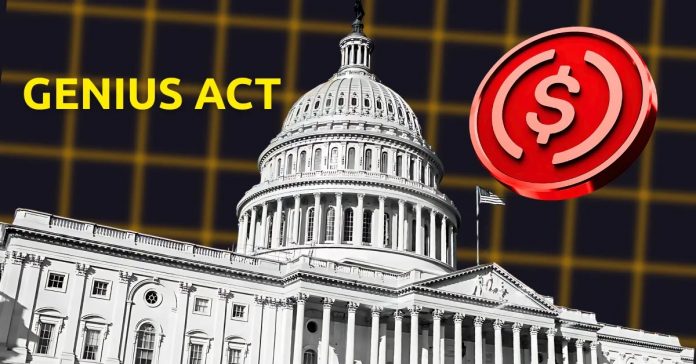
The U.S. Senate has passed the GENIUS Act, a comprehensive bill designed to regulate stablecoins—digital tokens pegged to fiat currencies such as the U.S. dollar.

The legislation’s passage marks the most significant step yet by American lawmakers to bring structure and oversight to a previously unregulated sector, with analysts forecasting that the move will unlock massive institutional adoption of stablecoins both in the United States and globally.

With institutional clarity long viewed as the missing piece for mainstream use, the GENIUS Act lays out a framework requiring that all stablecoins be fully backed by highly liquid assets—such as dollars and short-term Treasury bills—and that issuers provide monthly public disclosures of their reserves.

The bill also introduces guidelines on licensing and consumer protections, setting the stage for trusted integration of stablecoins into sectors ranging from banking to retail to global payments.

The bill now moves to the Republican-controlled House of Representatives, where it is widely expected to pass before heading to President Donald Trump, whose administration has expressed strong support for blockchain-backed finance and whose own allies have already launched stablecoins tied to his brand.

From Crypto Niche to Financial Keystone

Stablecoins began as tools for crypto traders to transfer value between volatile tokens, but over time, they’ve evolved into crucial infrastructure for the global digital economy. Today, these tokens underpin remittance services, facilitate cross-border commerce, power decentralized finance (DeFi), and are increasingly viewed as an on-ramp for national digital currencies.

Experts say the GENIUS Act could transform how stablecoins are perceived—from high-risk instruments into regulated financial assets capable of supporting trillion-dollar ecosystems.

Big Banks and Corporations Eye Entry

The formalization of stablecoin regulation comes as several major banks and corporations prepare to launch or expand their own tokens:

  • Bank of America CEO Brian Moynihan earlier this year hinted at the possibility of issuing a BofA stablecoin, though without confirming any timeline.
  • Morgan Stanley CEO Ted Pick said the bank is open to playing a mediating role in crypto transactions, including those involving stablecoins, depending on how regulators move forward.
  • Societe Generale, one of France’s largest banks, announced in June plans to launch a publicly tradable, dollar-backed stablecoin through its digital asset subsidiary, further signaling Europe’s growing appetite for regulated crypto products.

Retail behemoths Amazon and Walmart have been linked to early-stage discussions on creating stablecoins to streamline payments, improve loyalty programs, and reduce dependency on card networks. While Walmart denied any ongoing pilot, a recent Wall Street Journal report confirmed that both companies have evaluated the viability of issuing proprietary digital tokens.

Stablecoins, say insiders, could allow such companies to create seamless, low-cost ecosystems for purchases, subscriptions, and financial services, particularly as consumers increasingly shift toward digital wallets.

Financial Institutions Already Deep In

A number of financial and crypto-native firms are already deeply entrenched in the stablecoin space:

  • PayPal launched its PYUSD stablecoin in August 2023, becoming the first major U.S. fintech company to deploy a fully regulated dollar-pegged token.
  • Circle Internet Financial, the company behind USDC, operates one of the world’s most trusted stablecoins, with a market cap of $61.5 billion, used by exchanges, fintech apps, and DeFi protocols.
  • Paxos, a regulated blockchain infrastructure provider, issues USDP and USDG, and formerly partnered with Binance on BUSD, which became one of the top global tokens before winding down under regulatory pressure.
  • Tether, the issuer of USDT, holds the title of the world’s largest stablecoin with over $155 billion in market value. Despite criticism over its reserve transparency in past years, USDT remains dominant, particularly in emerging markets and global trade.
  • MakerDAO, the decentralized protocol behind DAI, offers a crypto-collateralized stablecoin with a market cap of $5.4 billion, often used in the DeFi economy.

Trump-Linked USD1 Adds Political Dimension

Adding a political twist, World Liberty Financial, a crypto venture affiliated with President Trump, launched its own stablecoin earlier this year called USD1. The token, pegged to the U.S. dollar, now has a market cap of $2.2 billion, according to CoinGecko. Blockchain analysis shows that USD1 has generated millions in trading fees, with benefits flowing to entities linked to the Trump brand.

The GENIUS Act, if enacted, could provide regulatory validation for tokens like USD1, further accelerating efforts by Trump-aligned companies to entrench themselves in the growing stablecoin economy.

Stablecoins as a Strategic Asset

With the U.S. dollar facing competitive pressure from foreign central bank digital currencies (CBDCs) like China’s e-CNY, stablecoins have become a strategic financial and geopolitical tool. A regulated stablecoin regime not only shores up investor confidence but extends the influence of the U.S. dollar into digital ecosystems worldwide.

The House of Representatives is expected to consider the GENIUS Act in the coming weeks. If passed and signed into law by President Trump, it would mark the first federal law specifically tailored to stablecoins, bringing the U.S. in line with global efforts like the EU’s MiCA regulation and Japan’s Payment Services Act.

With regulatory clarity finally within reach, the stablecoin era may be entering a new phase—one driven not just by traders and developers, but by CEOs, CFOs, and lawmakers looking to anchor the future of digital finance in legitimacy and trust.

Ohio House of Representatives Passed House Bill 116

0
Mycitizenagency reviews

The Ohio House of Representatives passed House Bill 116, the Ohio Blockchain Basics Act, on June 18, 2025, with a 68-26 vote. The bill exempts cryptocurrency transactions under $200 from state capital gains taxes, aiming to simplify small purchases like coffee or tips and boost everyday crypto use. Known as the “de minimis” exemption, this measure eliminates the need to track and report capital gains for these transactions. The legislation also protects self-custody rights, allows crypto mining in residential and industrial zones (subject to local regulations), and exempts mining, staking, and node operations from money transmitter or securities laws.

It now heads to the Ohio Senate, and if approved, will go to Governor Mike DeWine for final signature. Supporters, including the Satoshi Action Fund, praise it as one of the strongest Bitcoin rights bills in the U.S., positioning Ohio as a leader in crypto-friendly policy. By exempting small cryptocurrency transactions (under $200) from state capital gains taxes, the bill reduces friction for everyday purchases, potentially encouraging more Ohioans to use Bitcoin and other cryptocurrencies for routine transactions like coffee, groceries, or tips. This could drive mainstream adoption and normalize crypto as a payment method.

Simplified tax treatment and clear regulatory frameworks for crypto mining, staking, and node operations could attract blockchain businesses and investors to Ohio, fostering job creation and innovation in the crypto sector. The state’s pro-crypto stance may position it as a hub for blockchain technology in the U.S. Eliminating the need to track and report capital gains for small transactions reduces administrative burdens for individuals, making crypto use more practical and appealing.

While the tax exemption may reduce state revenue from capital gains taxes on small transactions, the volume of such transactions is likely low, minimizing fiscal impact. Increased economic activity from crypto adoption could offset this through other tax streams (e.g., sales or income taxes). The bill’s provisions protecting self-custody rights and exempting mining, staking, and node operations from money transmitter or securities laws provide legal clarity, reducing regulatory risks for individuals and businesses. This could encourage more Ohioans to engage in decentralized finance (DeFi) activities.

Allowing crypto mining in residential and industrial zones, subject to local regulations, may lead to tensions over noise, energy use, or environmental concerns, requiring municipalities to adapt zoning laws or face community pushback. As one of the strongest Bitcoin-friendly bills in the U.S., Ohio’s legislation could inspire similar laws in other states, accelerating nationwide crypto adoption and creating a patchwork of state-level regulations that may influence federal policy.

By making small crypto transactions easier, the bill could appeal to unbanked or underbanked populations, offering an alternative to traditional financial systems. The bill may deepen ideological divides, with supporters viewing it as a step toward financial freedom and innovation, while critics may see it as enabling speculative or illicit activities.

Crypto enthusiasts, blockchain businesses, libertarian-leaning policymakers, and groups like the Satoshi Action Fund. The bill empowers individuals by protecting self-custody and reducing government oversight of small transactions. Clear regulations and tax exemptions foster a welcoming environment for blockchain startups and developers. Simplifying taxes for small transactions aligns with crypto’s original vision as a peer-to-peer currency.

Ohio’s proactive stance could attract crypto investment, positioning the state ahead of others in a growing industry. Representatives Thomas Hall and Scott Wiggam (bill sponsors), Satoshi Action Fund, Ohio Blockchain Council. Traditional financial institutions, some environmental groups, regulatory advocates, and policymakers concerned about consumer protection or illicit activity.

Critics may argue the exemption creates a loophole that could be exploited, even if limited to small transactions, and erodes tax fairness. Crypto mining’s energy consumption could strain Ohio’s grid or conflict with sustainability goals, especially in residential areas. Without robust federal oversight, critics worry that relaxed regulations could expose consumers to fraud, scams, or volatile crypto markets.

Some may fear that easing crypto use could facilitate money laundering or other illegal transactions, despite existing anti-money laundering laws. Environmental advocacy groups, consumer protection agencies, or legislators prioritizing fiscal conservatism or regulatory caution. The bill passed with bipartisan support (68-26) in the Ohio House, but the vote split suggests some resistance, likely along ideological lines. Republicans, who dominate Ohio’s legislature, may largely back the bill for its free-market principles, while some Democrats may oppose it over concerns about regulation or equity. The Ohio Senate’s response and Governor DeWine’s stance (as a Republican with a pragmatic record) will be cricritical.

Pro-crypto states (e.g., Texas, Wyoming) versus those with stricter regulations (e.g., New York). This could fuel a broader debate over federal versus state authority in crypto policy. Younger, tech-savvy demographics may embrace the bill as forward-thinking, while older or less tech-fluent groups may view crypto with skepticism or distrust. Urban areas with tech hubs may see more benefits from crypto adoption, while rural communities could face challenges with mining-related disruptions or limited access to crypto infrastructure.

The bill’s fate in the Ohio Senate will hinge on balancing economic benefits with regulatory and environmental concerns. Amendments addressing energy use or local zoning could smooth passage. DeWine’s signature is not guaranteed; he may weigh public opinion, economic impacts, and potential federal conflicts.

If signed into law, Ohio’s model could pressure other states to adopt similar policies, intensifying competition for crypto investment and shaping the 2026 midterm election narratives around tech and finance. The bill may prompt federal regulators (e.g., IRS, SEC) to clarify crypto tax and securities rules, especially if state-level exemptions create inconsistencies.

Paga Unveils Doroki, A Retail Business Management Platform to Streamline SME Operations

0

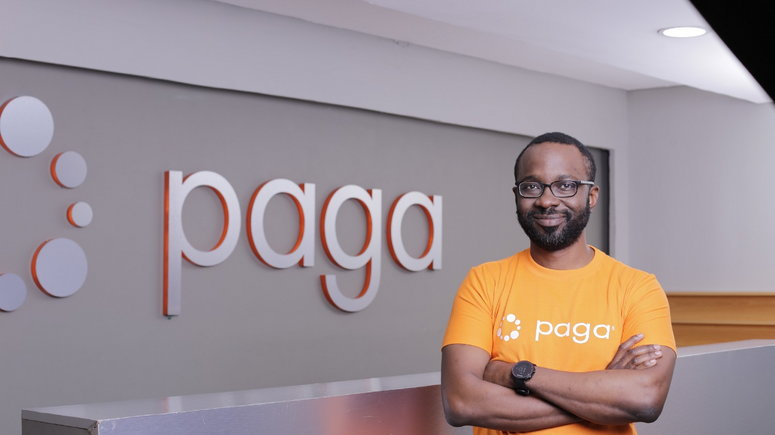
Paga, a Nigerian mobile payment company, has launched Doroki, an all-in-one business suite designed to simplify operations for small and medium-sized businesses (SMEs).

The platform provides inventory management, CRM, digital payment processing, promotions, and much more—all in one affordable platform. Also, Doroki helps businesses digitize their operations and streamline their payment solutions.

Speaking on the launch, Tayo Oviosu, founder and CEO of Paga Group, emphasized Doroki’s role in empowering SMEs.

He said,

“Running a business in today’s fast-paced economy is challenging, and managing stock, tracking sales, reconciling payments, and keeping customers happy can feel overwhelming. Doroki changes that. It’s not just a tool, it’s a partner that simplifies operations, provides actionable insights, and helps businesses scale with confidence.”

Also commenting, Arike Okunowo, general manager of Doroki said,

Doroki was built by listening to the pain points of real business owners. Whether it’s a restaurant owner struggling with recipe and table management; or a retailer experiencing issues with stock-out and product shelf life management (expiry dates), Doroki provides clarity, control, and confidence. We’re excited to see how Nigerian businesses leverage this platform to unlock their full potential.”

Doroki is a cost-effective, all-in-one solution designed specifically for SMEs. It combines traditional POS functionalities with advanced features like inventory management, CRM, and seamless payment integration. It also offers value-added services like business loans and multiple location support all at an affordable price.

Doroki includes features like:

  • Inventory Management
  • Product Catalog
  • Customer Relationship Management (CRM)
  • Promotions & Discounts
  • Customer Invoices
  • Business Loans(Coming Soon)
  • Multiple Location Management
  • Digital Payment Solutions (including Bank Transfer, USSD, Scan to Pay, etc.)

Doroki empowers SMEs, which form the backbone of Nigeria’s economy, by digitizing operations and reducing reliance on cash-based transactions. The launch of the platform is crucial, as it addresses the needs of Nigeria’s retail sector, where SMEs often face challenges with manual processes and limited access to digital tools.

The platform ensures quick, secure transactions with a range of digital payment options including charge card, bank transfer, Paga, scan-to-pay, bank USSD, and more. The all-in-one business suite is tailored to meet the unique needs of various sectors, including general retail, restaurants, grocery, spa & salon, and more.

Paga CEO Tayo Oviosu on a LinkedIn post described Doroki as more than a product. He noted that it is a mindset shift. “From hustle to systems. From survival to scale. Doroki is a movement for modern business owners across Africa who want to do more with less and grow on their own terms”, he added.

The launch of Doroki aligns with Paga’s broader mission to drive financial inclusion and digitize Nigeria’s cash-based economy. By offering a platform-as-a-service (PaaS) model, Doroki complements Paga’s existing infrastructure, such as the Paga Engine, which supports payment collections for businesses like Meta and Omnibiz.

The suite positions Paga to compete with other fintechs like Moniepoint, which also target SME solutions, in a market where digital adoption is accelerating (Nigeria’s fintech sector processed N17.2 trillion in mobile money transactions in Q1 2024).

Paga Group’s mission is to be the infrastructure that powers Africa’s growing middle class and gives seamless access to global trade.

The Unlock of 1.3% of Sui’s Circulating Supply Presents Both Opportunities and Risks

0

The Sui (SUI) blockchain is set to unlock approximately 44 million SUI tokens on July 1, 2025, representing 1.3% of its circulating supply, valued at around $120.99 million based on current prices. This unlock is part of Sui’s structured token release schedule, designed to balance liquidity and market stability with a capped total supply of 10 billion tokens.
Token unlocks can introduce volatility, as newly available tokens may lead to increased selling pressure if holders choose to trade rather than stake or hold.

However, Sui’s strong fundamentals, including a $2.08 billion Total Value Locked (TVL), robust DeFi activity, and technological advancements like Mysticeti v2’s 390ms transaction finality, suggest resilience. Some X posts indicate mixed sentiment, with concerns about supply inflation potentially impacting price, while others see it as a buying opportunity. Historically, Sui’s price has shown varied responses to unlocks. For instance, a $100 million unlock in October 2024 saw a 5% price increase, supported by rising volume and positive sentiment from Grayscale’s SUI Trust launch.

Conversely, a September 2024 unlock led to a 20% price drop. With the current price around $2.80-$2.83, the market’s reaction will depend on trader behavior and broader sentiment.
Investors should monitor Sui’s staking participation, which exceeds circulating supply due to the Sui Foundation’s staking of locked tokens, and its deflationary mechanisms, like gas fee burning and a dynamic storage fund, which could offset supply increases over time. Always consider market risks and conduct thorough research before investing.

The unlocking of 1.3% of Sui’s circulating supply (44 million SUI tokens, valued at ~$120.99 million) on July 1, 2025, carries significant implications for the Sui ecosystem, its investors, and the broader market. The influx of 44 million tokens could lead to selling by early investors, validators, or other holders who receive these tokens, potentially depressing the price in the short term. A September 2024 unlock led to a 20% price drop, while an October 2024 unlock saw a 5% increase, suggesting context matters (e.g., market sentiment, trading volume).

Increased token availability could enhance liquidity, attracting new investors or traders and tightening bid-ask spreads. This could benefit Sui’s DeFi ecosystem, which already boasts $2.08 billion in TVL. Unlocks often trigger speculative activity. Traders may short SUI anticipating a dip or buy post-unlock if they believe the market has overreacted, as seen in some X posts calling it a “buying opportunity.”

Unlocked tokens are often allocated to developers, validators, or the Sui Foundation, potentially fueling ecosystem growth. Sui’s focus on scalability (e.g., Mysticeti v2’s 390ms finality) and partnerships could benefit from this capital injection. Sui’s high staking participation (exceeding circulating supply due to the Foundation’s staking of locked tokens) suggests many unlocked tokens may be staked rather than sold, mitigating sell-off risks. However, if validators or early investors unstake, it could shift market dynamics.

With only 29.76% of the 10 billion total supply currently circulating (as of recent data), recurring unlocks contribute to gradual supply inflation. This could concern long-term holders if demand doesn’t keep pace. Sui’s tokenomics include deflationary mechanisms like gas fee burning and a dynamic storage fund, which could offset supply increases over time, supporting price stability.

Sui’s strong fundamentals—high TVL, growing DeFi adoption, and technological advancements—may bolster confidence, as seen in positive reactions to past unlocks tied to developments like Grayscale’s SUI Trust. Some investors may view unlocks as dilutive, especially if poorly timed with bearish market conditions, leading to short-term FUD (fear, uncertainty, doubt).

Optimists highlight Sui’s robust metrics—$2.08 billion TVL, 390ms transaction finality, and growing DeFi activity—as signs of resilience. They argue that unlocks fund development and attract institutional interest, as seen with Grayscale’s involvement. High staking participation suggests many unlocked tokens will be staked, reducing circulating supply and limiting sell-off impact.

Some X users view post-unlock price dips as chances to buy at lower levels, especially given Sui’s historical recovery after unlocks (e.g., October 2024’s 5% gain). Gas fee burning and storage fund dynamics are seen as long-term price supports, countering inflation concerns. Pessimists warn that 44 million tokens could flood the market, especially if early investors or validators cash out. The September 2024 unlock’s 20% price drop fuels this concern.

With only 29.76% of the total supply circulating, recurring unlocks could dilute value over time, particularly if demand weakens in a broader market downturn. Negative sentiment on X, with some users expressing FUD about “too many unlocks,” could amplify volatility, especially if broader crypto markets are bearish. Traders may exploit the unlock for short-term gains, increasing downward pressure on SUI’s price (~$2.80-$2.83 currently).

The unlock’s impact depends on broader crypto market conditions. A bullish market could absorb the new supply, while a bearish one might exacerbate price declines. The Sui Foundation’s clarity on token allocation (e.g., to developers, validators, or reserves) could influence sentiment. Past unlocks with clear communication saw less negative impact. Long-term holders may focus on Sui’s fundamentals, while short-term traders might capitalize on volatility.

Risk-averse investors should monitor staking trends and market reactions post-unlock. The unlock of 1.3% of Sui’s circulating supply presents both opportunities and risks. Bulls emphasize Sui’s strong ecosystem and staking dynamics, while bears focus on potential selling pressure and inflation. Investors should weigh these factors, monitor market sentiment, and conduct thorough research.