DD
MM
YYYY

PAGES

DD
MM
YYYY

spot_img

PAGES

Home Blog Page 1114

Top Challenges in Global Business and How to Overcome Them

0

Because the world is so connected, companies are going international to take advantage of new possibilities. Globalization is helpful for companies, but it also brings unique hurdles they must overcome to do well internationally. This article looks at the most important problems in global business management and shares approaches to deal with them successfully.

Introduction

Global business management involves overseeing operations, strategies, and resources across multiple countries and cultures. Good knowledge of various markets, regulations, and cultural circumstances is needed. Competing in other countries creates new hurdles for businesses, which can change how well they perform. It is essential to see and overcome these challenges to achieve sustainable results worldwide.

Top challenges of global business management

1. Navigating Cultural Differences

Cultural diversity is a hallmark of global business. However, differences in language, communication styles, business etiquette, and societal norms can lead to misunderstandings and conflicts.

Strategies to Overcome:

  • Cultural Training: Implement comprehensive training programs to educate employees about cultural sensitivities and practices.
  • Local Expertise: Engage local consultants or partners who understand the regional culture and can bridge gaps.
  • Inclusive Policies: Develop organizational policies that respect and incorporate diverse cultural perspectives.

2. Managing Regulatory Compliance

Because it works in more than one country, the company must obey different laws and regulations. Having non-compliance in your business makes you vulnerable to legal charges and harms your reputation.

Strategies to Overcome:

  • Legal Consultation: Work with legal experts familiar with international laws and regulations.
  • Compliance Programs: Establish robust compliance programs to monitor and ensure adherence to local laws.
  • Regular Audits: Conduct periodic audits to identify and address compliance issues proactively.

3. Addressing Supply Chain Complexities

Global supply chains are susceptible to disruptions due to geopolitical tensions, natural disasters, or pandemics. These disruptions can affect production and delivery timelines.

Strategies to Overcome:

  • Diversification: Source materials and products from multiple suppliers across different regions to mitigate risks.
  • Technology Integration: Utilize supply chain management software for real-time tracking and forecasting.
  • Contingency Planning: Develop contingency plans to respond swiftly to unforeseen disruptions.

4. Overcoming Communication Barriers

Effective communication is vital in global operations. Language differences and varying communication styles can hinder collaboration and efficiency.

Strategies to Overcome:

  • Language Training: Offer language courses to employees to facilitate better communication.
  • Translation Services: Employ professional translation services for critical documents and communications.
  • Unified Communication Platforms: Implement platforms that support multilingual communication and collaboration.

5. Managing Currency Fluctuations

Exchange rate volatility can impact pricing, revenues, and profitability in international transactions.

Strategies to Overcome:

  • Hedging Strategies: Use financial instruments to hedge against currency risks.
  • Pricing Adjustments: Regularly review and adjust pricing strategies to account for currency fluctuations.
  • Financial Monitoring: Continuously monitor exchange rates and economic indicators in key markets.

6. Ensuring Data Security and Privacy

Data protection laws vary from country to country. Not following landscaping laws can result in trouble with the law and less trust from your customers.

Strategies to Overcome:

  • Compliance with Local Laws: Understand and comply with data protection laws in each operating country.
  • Robust IT Infrastructure: Invest in secure IT systems to protect sensitive data.
  • Employee Training: Educate employees about data security best practices and protocols.

7. Adapting to Market Dynamics

Because preferences, economies, and competitors differ between regions, businesses should modify their strategies accordingly.

Strategies to Overcome:

  • Market Research: Conduct thorough research to understand local consumer behavior and preferences.
  • Product Localization: Customize products and services to align with local tastes and requirements.
  • Flexible Strategies: Develop adaptable business strategies that can be tailored to different markets.

Conclusion

Running a global business well demands a planned strategy, respect for cultures, and flexibility. Businesses that act ahead of challenges like those mentioned above can prepare themselves well for solid growth globally.

For professionals who wish to build their knowledge and improve their skills in global business management, programs like the global business management course offer valuable insights and practical knowledge to effectively lead in a globalized economy.

Tekedia Capital Welcomes Rocketable, the AI Software Holding Company

0

In the next few years, one of the biggest opportunities in investing will be retooling the current software systems. In other words, we expect many SaaS products to expire in coming years, and as that happens, new species of investing vehicles will emerge. Go into a community, buy SaaS companies, put AI agents at work,, to deliver higher productivity, serve clients and advance the market system.

Rocketable, a Silicon Valley company, has one of the most pioneering playbooks on this and we like it: “We are building a large portfolio of wildly profitable software businesses by acquiring existing products and replacing humans with AI agents….We are creating the tools needed to replace the entire org chart of a software company with a team of AI agents. We are developing these tools by owning the products that we automate, because we know from 10+ years of experience building automated systems with AI/ML that integration is the key to unlocking superhuman performance.”

Tekedia Capital is excited to welcome Rocketable to our community. The age of AI is here and some of the leading investing empires of the future will be those that deploy armies of AI agents, not just humans. Simply, if software codes created super-wealth in the 20th century, AI agents will anchor the wealth of the 21st century. The dream of a one-person $1 billion company is around the corner!

To learn more:

Tekedia Capital: capital.tekedia.com

Rocketable: rocketable.com

After 16-Year Wait, Nigeria Launches Regional Maritime Development Bank to Unlock Trade, Break Infrastructure Gridlock

0

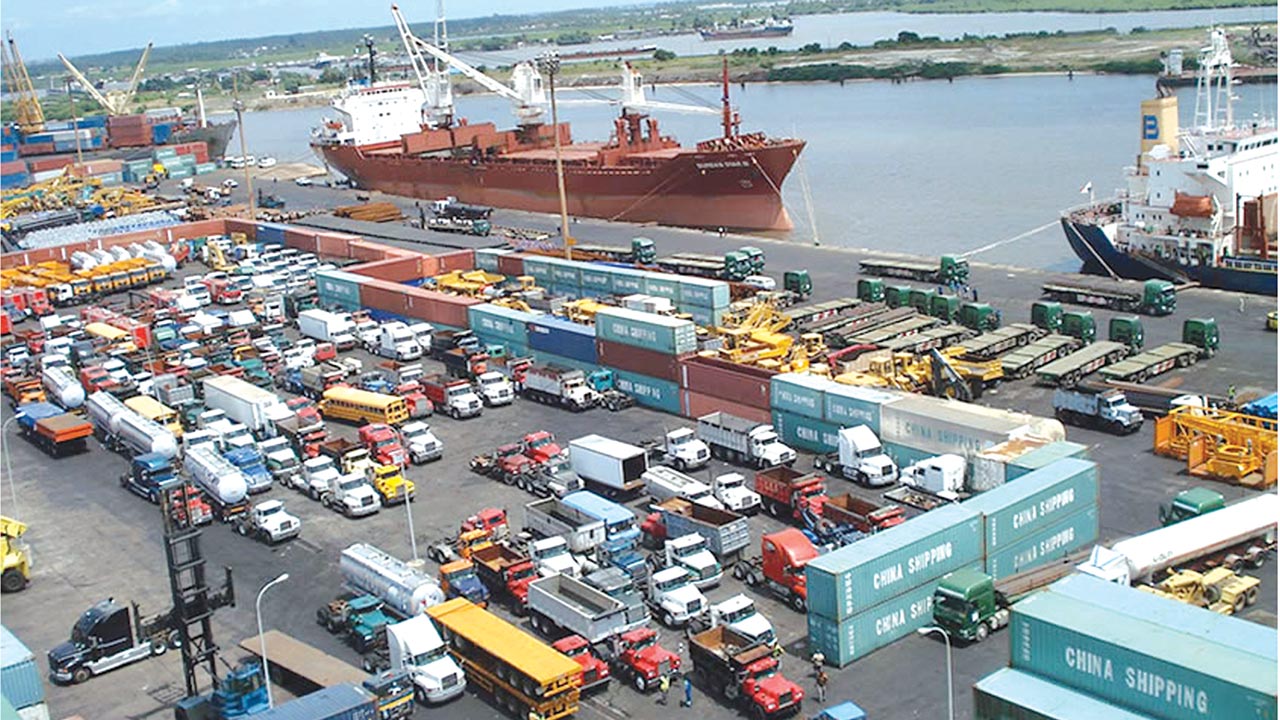
Sixteen years after its conception, the Regional Maritime Development Bank (RMDB) has finally commenced operations in Nigeria, marking what the Federal Government describes as a transformative shift in maritime finance and regional economic integration.

The launch was formally announced on Thursday by the Minister of Marine and Blue Economy, Adegboyega Oyetola, through a statement by his Media Adviser, Dr. Bolaji Akinola.

This move breaks a longstanding institutional impasse that had stalled the implementation of the bank since its approval by member states of the Maritime Organization of West and Central Africa (MOWCA) in 2009. Now operational, the bank is expected to serve as a pivotal financial institution for the maritime and blue economy space—offering funding for infrastructure, logistics, and vessel acquisition across the region.

Oyetola said the take-off of RMDB not only reflects Nigeria’s renewed commitment to regional maritime cooperation but also signals the country’s seriousness about revamping a sector that has long suffered neglect, underfunding, and structural inefficiencies.

“With the operationalization of the RMDB, Nigeria is now poised to become a powerful engine for regional growth, connectivity, and prosperity,” Oyetola declared.

He added that the bank is central to the current administration’s plan to reposition the maritime sector as a key economic pillar through infrastructure expansion, enhanced logistics capabilities, and deeper integration with neighboring economies.

The bank is expected to provide long-term funding solutions for critical needs in the industry, including port modernization, intermodal transport systems, and the acquisition of Nigerian-owned fleets.

In a country where access to long-term credit has stifled the growth of indigenous shipping and logistics businesses, the RMDB is being positioned as a corrective measure to facilitate capital inflow into previously neglected areas of the maritime value chain.

To lead this long-awaited initiative, President Bola Tinubu has appointed Adeniran Aderogba as the inaugural President and Chief Executive Officer of RMDB. The announcement came via the Office of the Director of Maritime Safety and Security, Mr. Babatunde Bombata.

Aderogba, whose career spans over three decades in maritime administration, finance, and investment, is expected to bring both experience and clarity of vision to the new institution.

“Aderogba’s appointment is a bold and competent choice that will steer the bank from conception,” said Oyetola. “His extensive career spans the public and private sectors, and he is a respected, thoughtful leader in financial markets who has contributed significantly to Nigeria’s financial infrastructure.”

The minister emphasized that the leadership choice and launch of the bank will serve as a catalyst for development, trade growth, and capital mobilization across the West and Central African maritime corridor.

Infrastructure Deficit and Policy Paralysis Still Loom

While the launch of RMDB has been widely welcomed, experts caution that the institution will need to operate within an environment still plagued by systemic challenges. In March, the Chair of the Chartered Institute of Logistics and Transport in Cross River State, Aniefiok Iton, warned that old port infrastructure, foreign exchange volatility, and policy inertia continue to frustrate maritime traders.

According to Iton, much of Nigeria’s port infrastructure remains outdated and unable to meet contemporary demands, forcing hundreds of Nigerian-owned vessels to relocate to Ghana for routine maintenance due to a lack of adequate dry-docking and repair facilities at home.

She said the infrastructure in Nigerian ports is old and inadequate. And with the instability in foreign exchange, businesses in the maritime industry are struggling to operate competitively.

Iton argued that while initiatives like the RMDB are a step forward, they must be complemented by urgent reforms in port management, regulatory efficiency, and investment in modern facilities.

Unlocking the Blue Economy or Risking Another Bottleneck?

The RMDB comes at a time when the Nigerian government is aggressively pushing its “Blue Economy” agenda, aiming to harness the full potential of its vast marine resources. However, for this ambition to translate into economic growth, it is believed that the maritime sector must first overcome a number of longstanding bottlenecks—among them, excessive bureaucracy, weak enforcement of maritime laws, and the absence of enabling infrastructure.

Maritime stakeholders are hopeful that RMDB’s funding programs could unlock the trapped value within Nigeria’s maritime economy, which has the potential to contribute billions of dollars annually in GDP if fully optimized. But they also stress that without policy alignment, port reform, and efficient project delivery mechanisms, the RMDB could risk becoming another bureaucracy bogged down by the same inefficiencies it was designed to fix.

Oyetola remains optimistic, noting that Nigeria has now broken a major institutional jinx that has kept the regional maritime finance dream grounded for over a decade.

“This approval marks the historic takeoff of a project that has been in the works since 2009. The long delay in operationalizing the institution is now over, with President Tinubu breaking yet another jinx,” he said.

According to the minister, the operationalization of RMDB signals a turning point—not just for Nigeria, but for the entire West and Central African sub-region.

The bank is expected to focus on mobilizing capital for critical investments in port facilities, fleet expansion, and logistics infrastructure—all aimed at turning Nigeria into a key trade and transport hub in Africa’s maritime space.

Nigeria Set to Deepen Stake in ECOWAS Bank With $100m Capital Injection Amid Push for Regional Influence

0

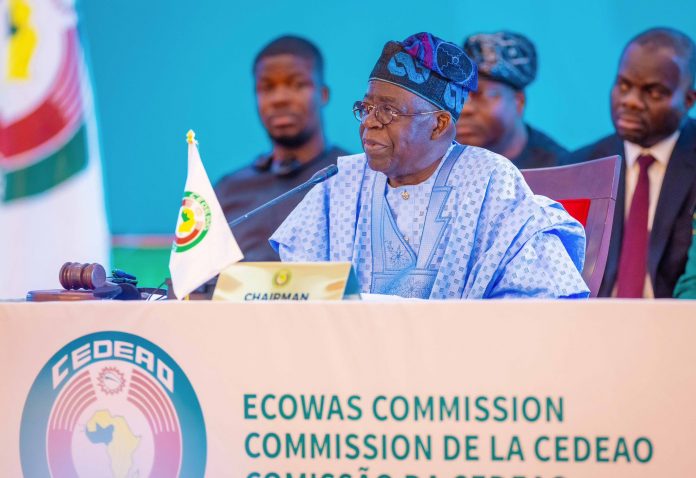
Nigeria is preparing to make a fresh $100 million capital contribution to the ECOWAS Bank for Investment and Development (EBID), in a move that not only reinforces its status as the bank’s largest shareholder but also positions the country to further assert leadership within the regional financial institution.

The announcement came on Thursday during an interactive session between the ECOWAS Parliament and heads of regional institutions at the 2025 First Ordinary Session of the ECOWAS Parliament in Abuja. Representing EBID President Dr. George Donkor, the Bank’s Director of Research and Strategic Planning, MacDonald Goanue, made the disclosure.

“Nigeria is the biggest contributor. Nigeria is in the process of paying $100m to the bank,” Goanue said, emphasizing the significance of financial contributions in determining leadership influence within the Bank. “You can become president if you pay your money. You can become vice president if you pay your money,” he added.

With the planned payment, Nigeria is set to retain about 33 percent of the Bank’s total shares—by far the most significant holding by any member state of the regional bloc. But this financial muscle has not yet translated to extensive public sector engagement in Nigeria. Goanue acknowledged that the Bank has limited exposure to public infrastructure in Nigeria but has focused more heavily on private-sector financing.

According to him, EBID’s partnerships with Nigerian financial institutions like the Bank of Industry and several commercial banks are proof of its support for local enterprise development.

Ghana, Côte d’Ivoire Press Ahead with Financial Obligations

Nigeria’s $100 million commitment comes at a time when other major ECOWAS member states are also ramping up their contributions. Ghana, which has faced recent economic headwinds, has completed its second tranche of payments, while Côte d’Ivoire was applauded for what Goanue described as “doing very well” in maintaining financial commitments.

The Bank also continues to receive support from non-African partners. India, for instance, has provided roughly $1 billion in credit lines to EBID since 2006—a reflection of growing international confidence in the institution’s development role in West Africa.

Leadership Tied to Financial Commitment

Goanue’s comments highlight a longstanding, if sometimes unspoken, truth in multilateral institutions—money buys influence. The direct link he drew between capital injection and leadership positions within EBID underscored how seriously financial contributions are taken not just as support, but as currency for political clout within the ECOWAS framework.

This could become particularly relevant in the coming months if there is a leadership transition at EBID or shifts in the governing structures of the broader ECOWAS system. Nigeria’s fresh contribution positions it to leverage its dominance at a time when regional integration efforts face both financial and political strain, especially following recent political instability in some member countries.

Language, Education Barriers Still Hamper Recruitment

Beyond finance, Goanue addressed lingering issues of regional inclusivity, particularly around employment within EBID. He said many ECOWAS nationals remain underrepresented in the Bank’s workforce, not due to discrimination, but because of language and qualification barriers.

“People will not just give you a job because you are a national. You must qualify,” he told the Parliament, brushing aside suggestions of nepotism in the hiring process. This is a recurring issue in ECOWAS agencies, where member states sometimes complain of unequal representation in leadership and staff.

Unlike commercial banks, EBID does not take deposits or provide retail banking services. Instead, it pools capital from ECOWAS member states and international partners to finance large-scale development projects. The Bank is currently active across all 15 ECOWAS member states, funding infrastructure, agriculture, healthcare, energy, and transportation initiatives.

This mandate is seen as increasingly vital in a region where public debt burdens and inflation have constrained national development budgets. For Nigeria, which is still grappling with high inflation, currency instability, and subdued investor confidence, institutions like EBID are potential lifelines for medium- to long-term project financing—if effectively engaged.

The incoming capital injection, therefore, could be seen as a strategic move not only to secure political leverage within the institution but also to retool Nigeria’s underutilized access to regional development funding.

Manufacturers Cry Out to CBN as Banks Freeze Accounts Over Forex Forward Disputes

0

After months of navigating Nigeria’s volatile exchange rate regime and battling soaring production costs, manufacturers in the country now face a fresh crisis—one that threatens to paralyze operations across the sector.

The Manufacturers Association of Nigeria (MAN) is raising the alarm over what it describes as the unfair targeting of its members by commercial banks, many of whom have frozen corporate and personal accounts over unresolved foreign exchange (Forex) forward contracts—agreements made between the banks and the Central Bank of Nigeria (CBN) to supply foreign currency at a future date.

Accounts Frozen, Operations Grounded

At the center of the dispute is the handling of Forex forward contracts that were previously arranged between commercial banks and the CBN. As part of standard practice, manufacturers pay their banks in naira—either through direct payments or credit facilities. The banks, in turn, remit the funds to the CBN, which assumes responsibility for providing the dollar equivalent at an agreed future date.

However, as dollar shortages worsened and the CBN struggled to meet its forward obligations, many dating back to the previous administration, commercial banks began turning the heat on their customers. Manufacturers who had already fulfilled their naira commitments now face legal actions, asset freezes, and in some cases, harassment by bank compliance teams.

“We call on the Central Bank of Nigeria to direct the concerned commercial banks to immediately unfreeze the accounts of innocent manufacturers in relation to the vexed issue of forex forwards,” MAN said in a statement issued on Thursday and signed by the Association’s Director General, Segun Ajayi-Kadir.

“Given this background, MAN asserts that its members are not liable for delays or complications arising after the remittance of funds to the CBN by commercial banks,” the statement stressed.

One of the most high-profile cases involves KAM Industries Nigeria Limited, a key player in the steel sector. Its accounts were reportedly frozen over an unresolved forward contract dispute. Ajayi-Kadir said this is only the reported case, there are many others suffering in silence.

“This rather unfortunate treatment of private business is only the reported one, and there are several others undergoing similar harrowing experiences. This should stop in the interest of economic development of Nigeria, job security, and business sustainability,” he said.

The manufacturing sector is particularly vulnerable. Over 80 percent of industrial inputs in Nigeria are imported. From raw materials to critical machinery, nearly every aspect of production is tied to access to foreign currency.

Indeed, the crisis touches on deeper systemic issues in Nigeria’s foreign exchange management. In August 2024, MAN petitioned the CBN for over $2.4 billion in unsettled forward claims. The apex bank admitted it could not honor all of them, attributing delays to an ongoing EFCC investigation into the authenticity of some transactions.

However, the CBN claimed to have cleared $7 billion in “valid” backlogs as part of President Bola Tinubu’s broader economic reforms, which include unifying the country’s multiple exchange rates and attracting foreign capital.

“Recent developments have shown a troubling trend in the way banks are handling the matter, to the extreme detriment of manufacturing industries, who have the needless misfortune of being at the receiving end of a problem they didn’t create and shouldn’t suffer,” Ajayi-Kadir said.

‘Manufacturers Should Not Be the Scapegoats’

Ajayi-Kadir emphasized that punishing manufacturers—who were only trying to navigate Nigeria’s deeply flawed Forex market—would sabotage the very sector responsible for job creation and economic diversification.

“Our members should not be harassed by the banks. The banks should show understanding and be supportive as we all seek a solution to this rather unfortunate and unexpected impasse. As the innocent one and quite evidently the weakest and most vulnerable in the tripod, it is unconscionable that manufacturers are bearing the brunt,” he added.

He warned that continued account freezes and regulatory pressures could lead to shutdowns, layoffs, and worse—capital flight by investors who no longer trust the system.

MAN said it was open to dialogue and willing to mediate between affected manufacturers and the banks to find an amicable solution.

What This Means for Nigeria’s Economy

The timing could not be worse. Nigeria is still grappling with inflation, power outages, and a wave of multinational exits from the country due to worsening business conditions. The government’s hopes of a local manufacturing renaissance—one that reduces import dependence and stimulates exports—appear increasingly fragile.

The Forex forward crisis is now testing not just the resilience of manufacturers, but also the credibility of President Tinubu’s economic reforms. If businesses that followed due process are now being punished retroactively, analysts warn, the reforms may lose legitimacy.